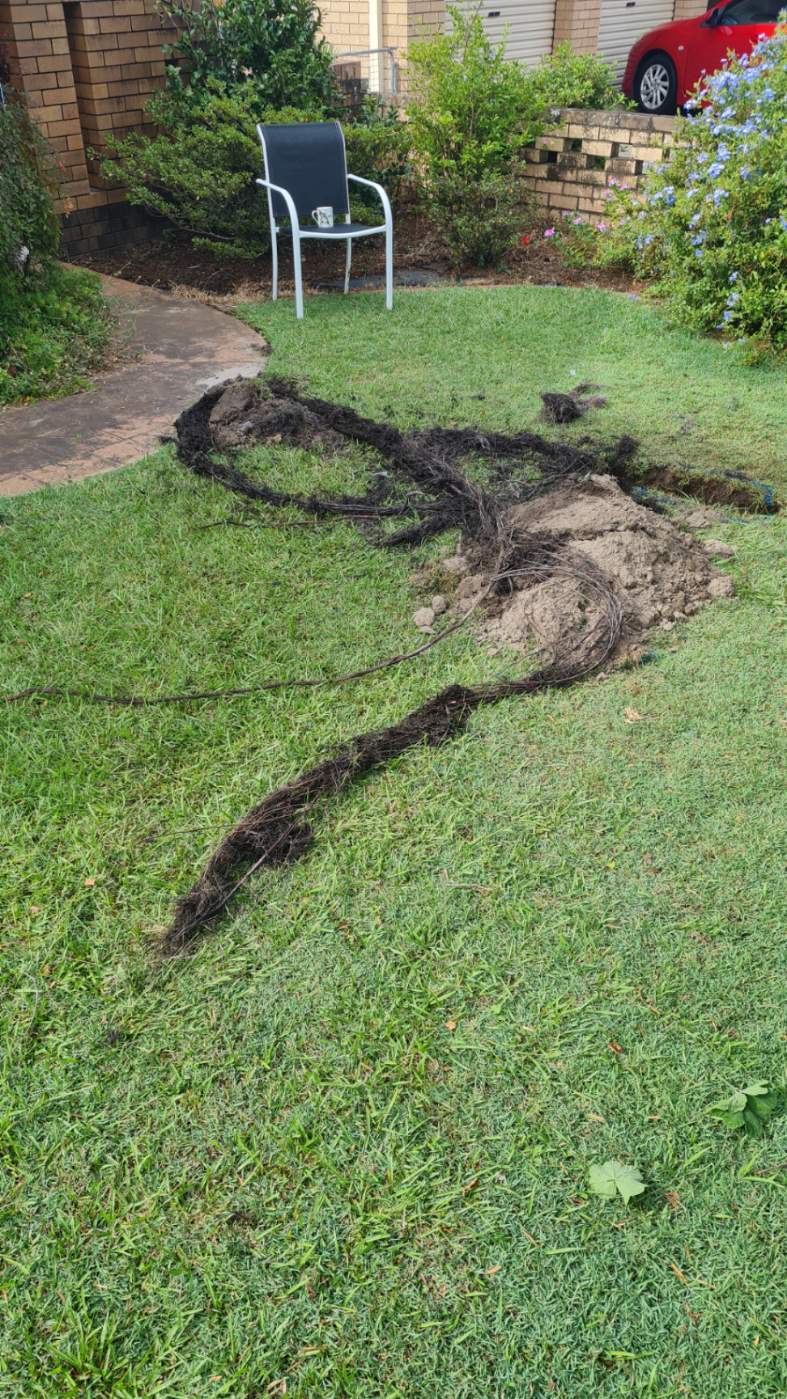
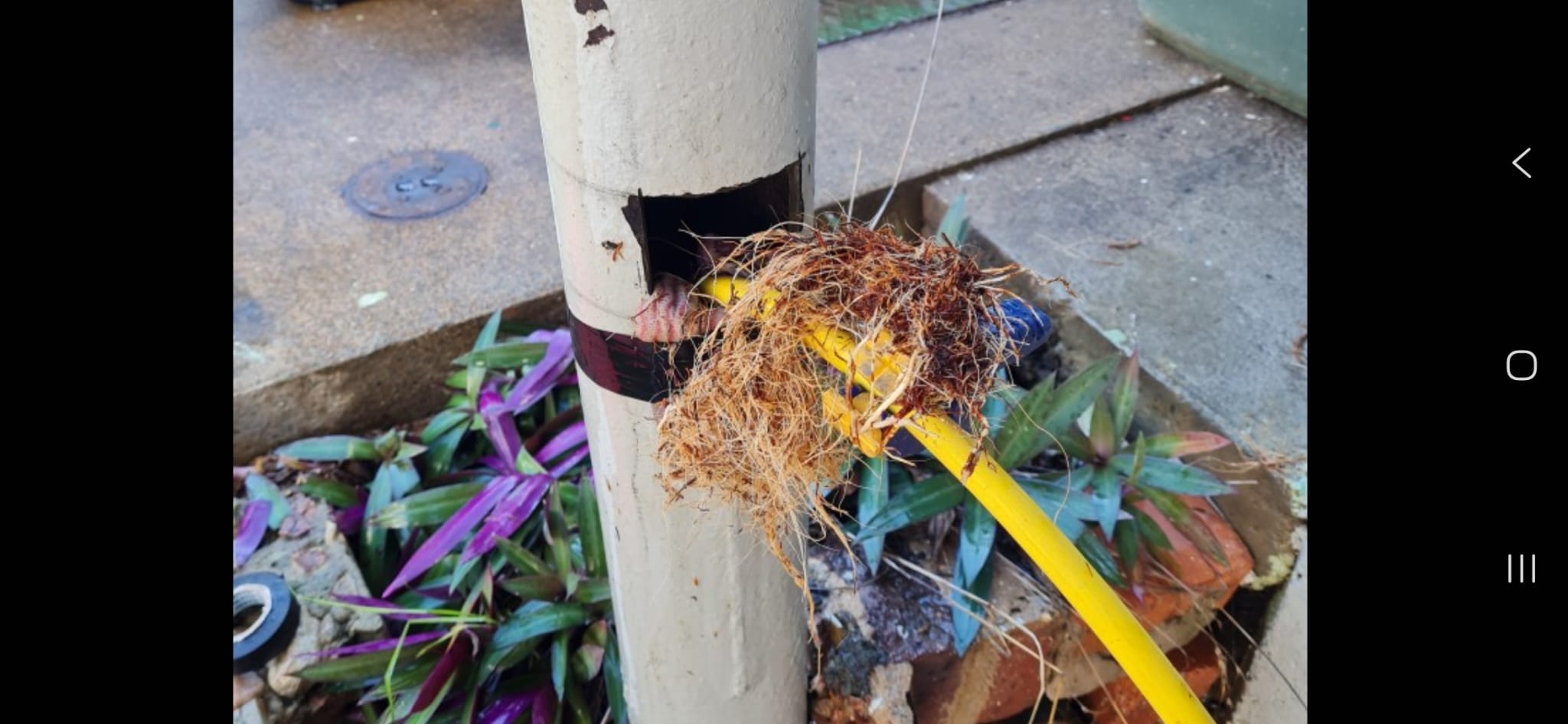
Damaged drain tree roots
In nearby Newmarket, about 4 km away
Tree RootsBlocked DrainCommercialJun 2026
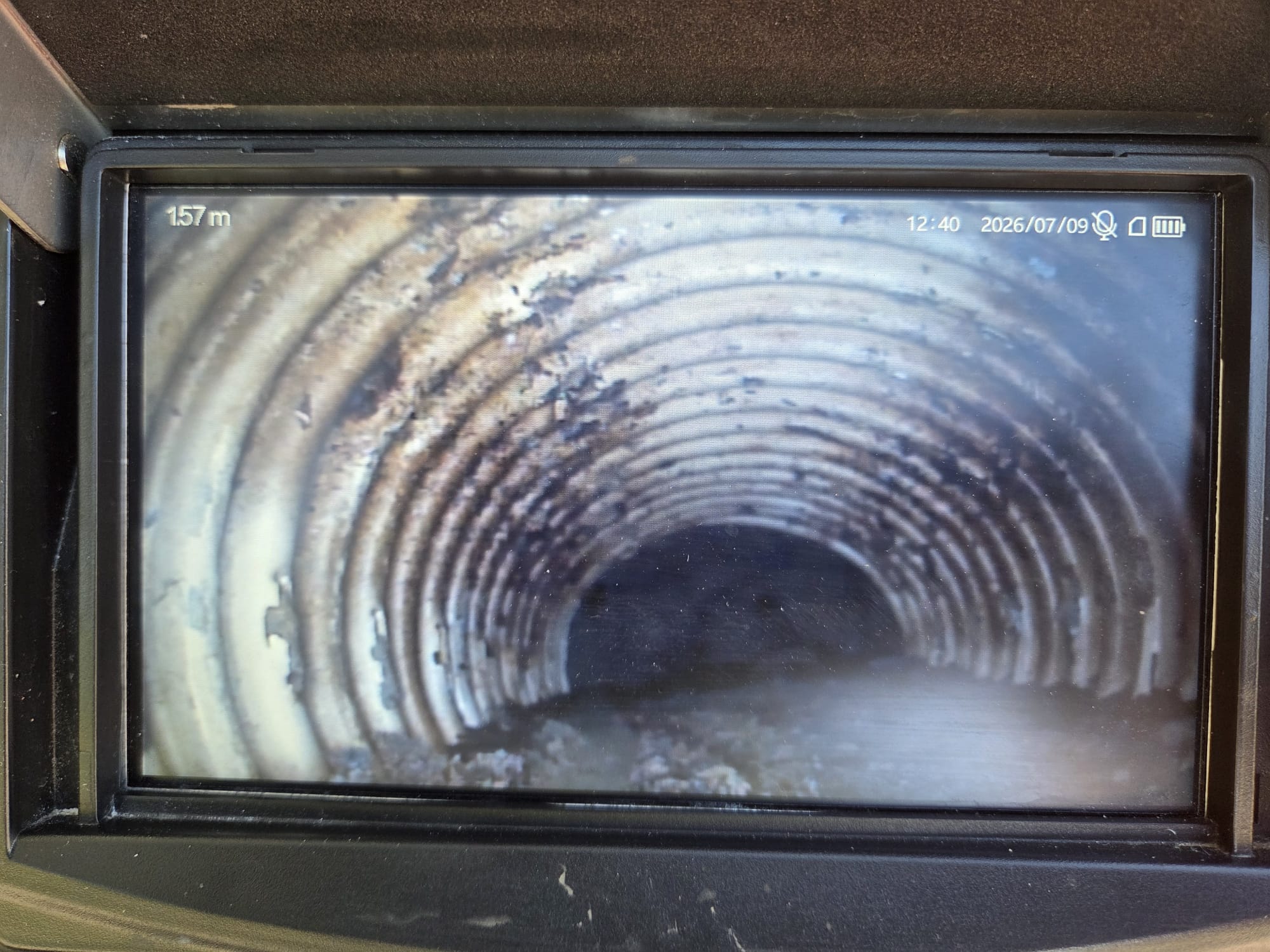
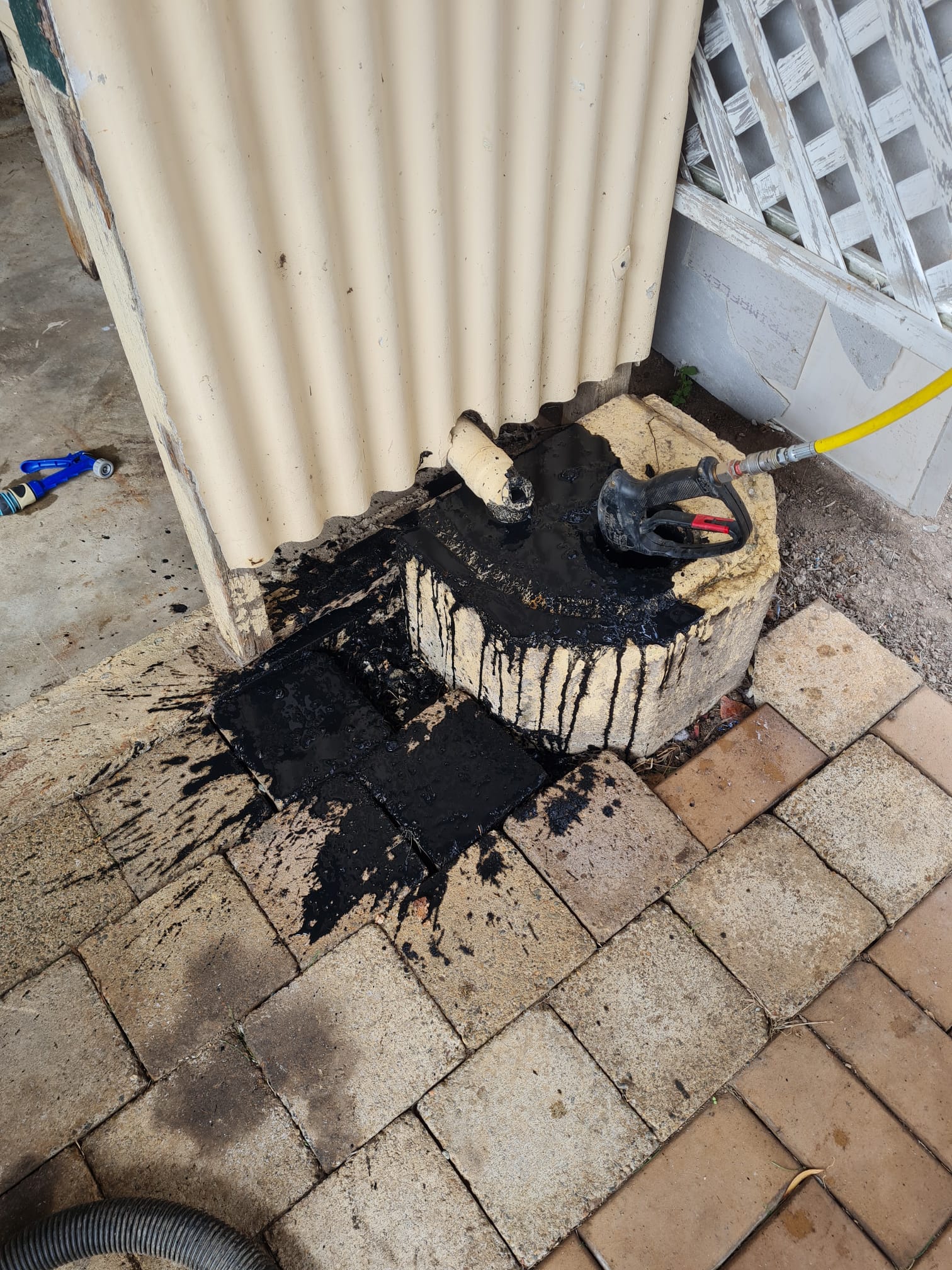
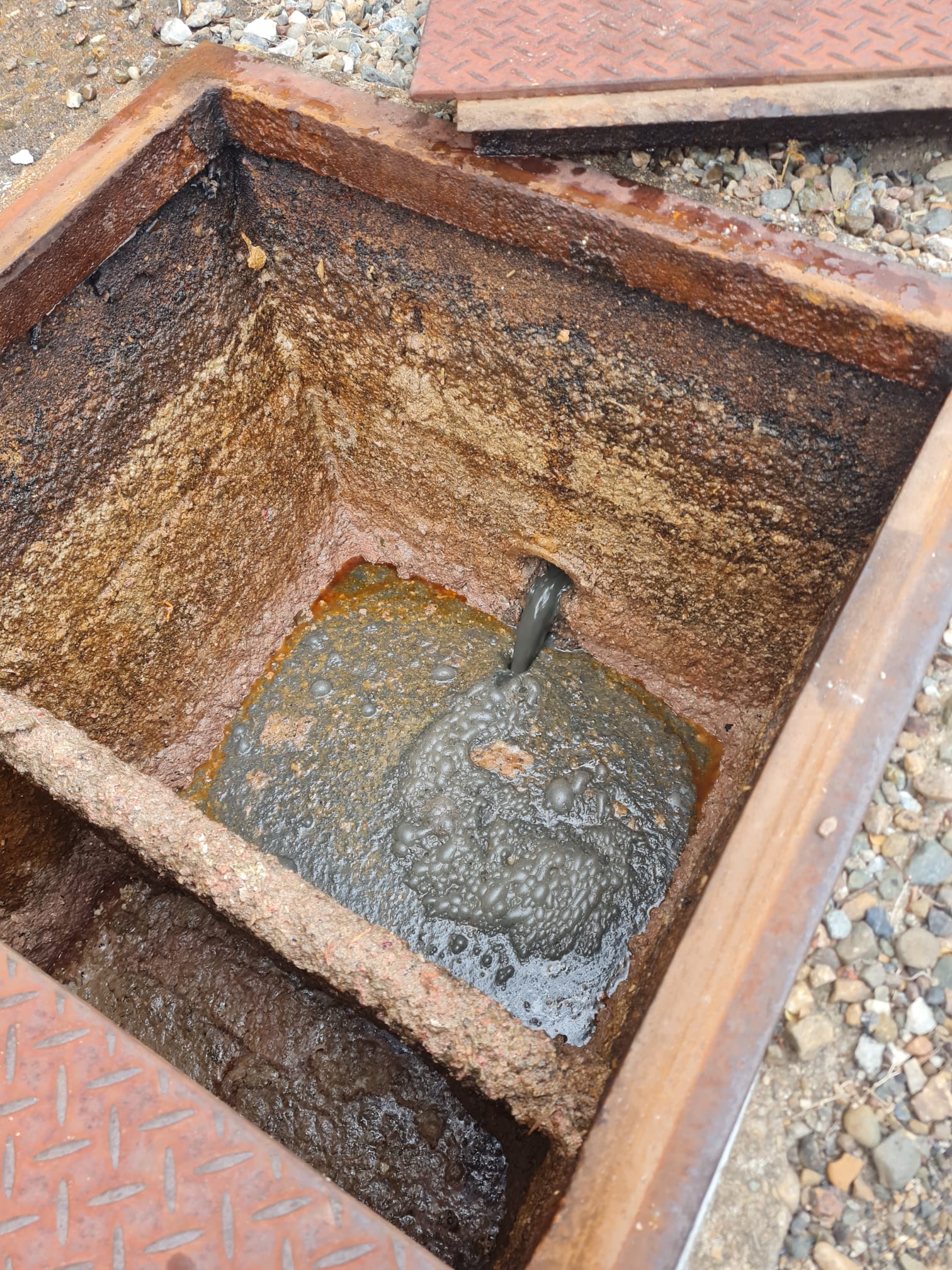
The property owner contacted DrainSpy Brisbane after experiencing poor drainage throughout the commercial site's stormwater system during periods of moderate to heavy rainfall. Surface water was slow to drain from paved areas, with several pits filling rapidly and overflowing during storms.
Given the age of the drainage network and ongoing construction activity in the surrounding area, there were concerns that sediment or structural damage may have been restricting the underground stormwater pipeline.
To accurately diagnose the issue without unnecessary excavation, a CCTV drain inspection was recommended.
Our technician carried out a comprehensive CCTV inspection of the commercial stormwater network using a high-definition drain camera.
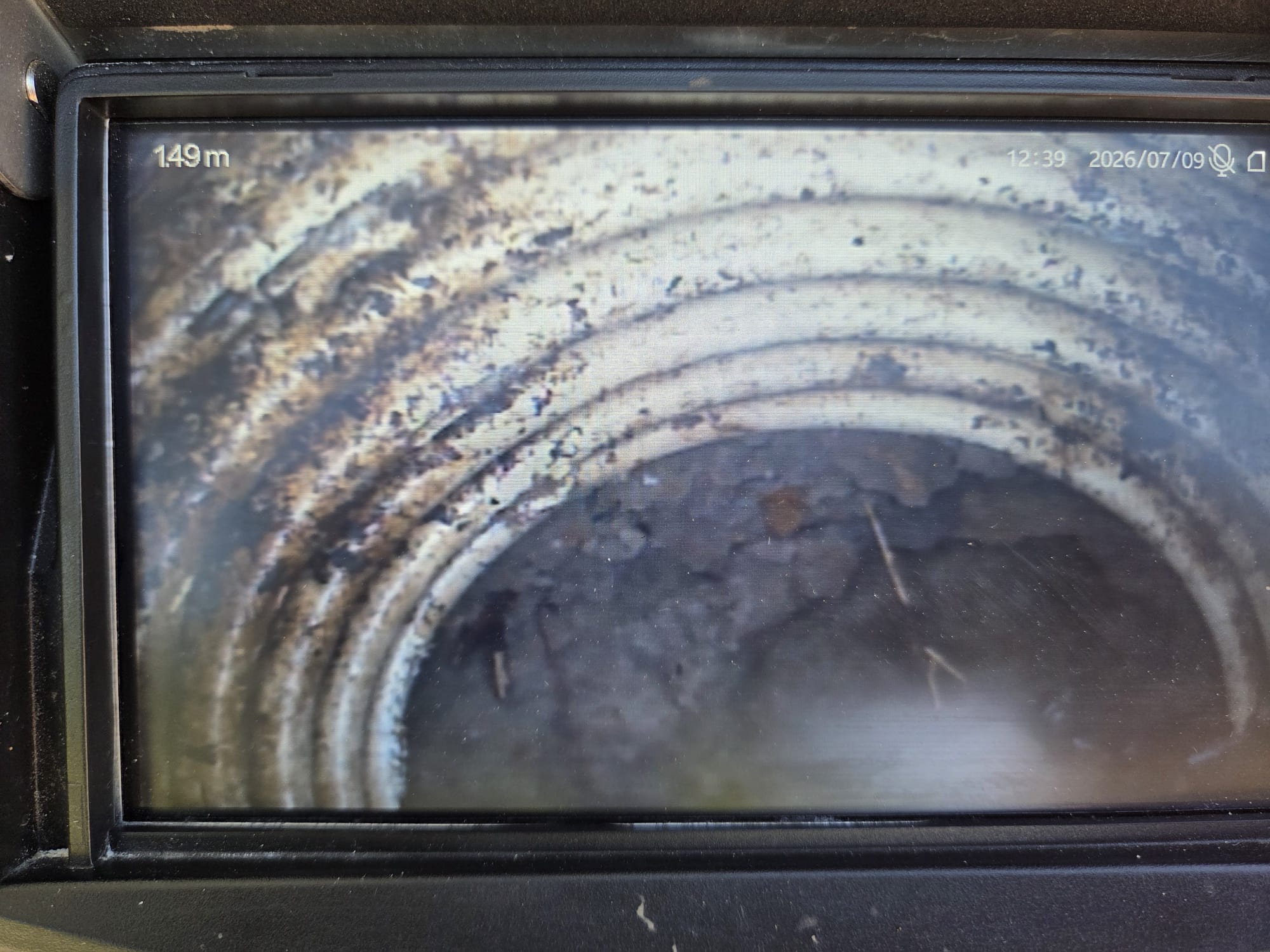
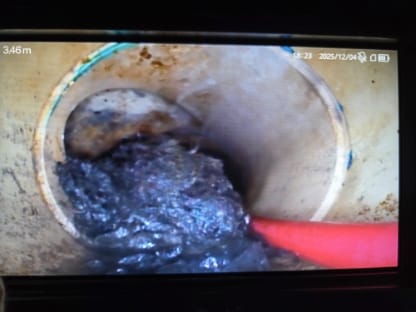
The inspection revealed that approximately 150 metres into the pipeline, a significant accumulation of mud, silt and fine sediment had settled along the invert of the corrugated stormwater pipe. The material had gradually built up over time due to constant inflow of dirt and sediment entering the drainage system from surrounding hardstand areas and landscaped sections.
Although the pipe remained structurally sound, the heavy sediment build-up had substantially reduced the pipe's carrying capacity. During heavy rainfall this restriction prevented the stormwater system from operating efficiently, increasing the risk of localised flooding.
The CCTV footage was recorded for the client, allowing them to clearly see the extent of the sediment accumulation. Recommendations were provided for high-pressure cleaning and vacuum excavation to restore the pipe's original flow capacity, along with measures to minimise future sediment entering the system.
High-definition CCTV drain inspection camera
Commercial crawler camera system
Digital recording equipment
Electronic distance counter
LED inspection lighting
The CCTV inspection successfully identified the cause of the reduced stormwater performance without the need for excavation. The client received a detailed visual report confirming that the drainage pipe remained structurally serviceable, with the primary issue being extensive sediment accumulation rather than pipe failure.
Following the inspection, recommendations were made to mechanically remove the sediment and implement a routine maintenance program to prevent future build-up. Early identification of the issue will help maintain stormwater capacity, reduce flood risk during heavy rainfall, and extend the operational life of the drainage infrastructure.
We'll diagnose it with CCTV and give you a fixed-price fix. Call us or book online.
Chosen by relevance — same problem, same equipment or nearby suburb — not just the newest.
Suburbs close to Brisbane that we regularly work in.
Brisbane has thousands of homes with old clay sewer pipes. Understanding clay vs PVC helps you make informed decisions about repairs and rep…
A CCTV drain inspection uses a high-definition camera on a flexible cable to see inside your pipes. It's the most accurate way to diagnose d…
Tree roots are the number one cause of blocked sewer drains in Brisbane. Our warm climate and clay soils create perfect conditions for aggre…

CCTV inspections are essential for managing drainage in commercial and strata properties due to their complex networks, which include multiple units, larger pipes, and va…
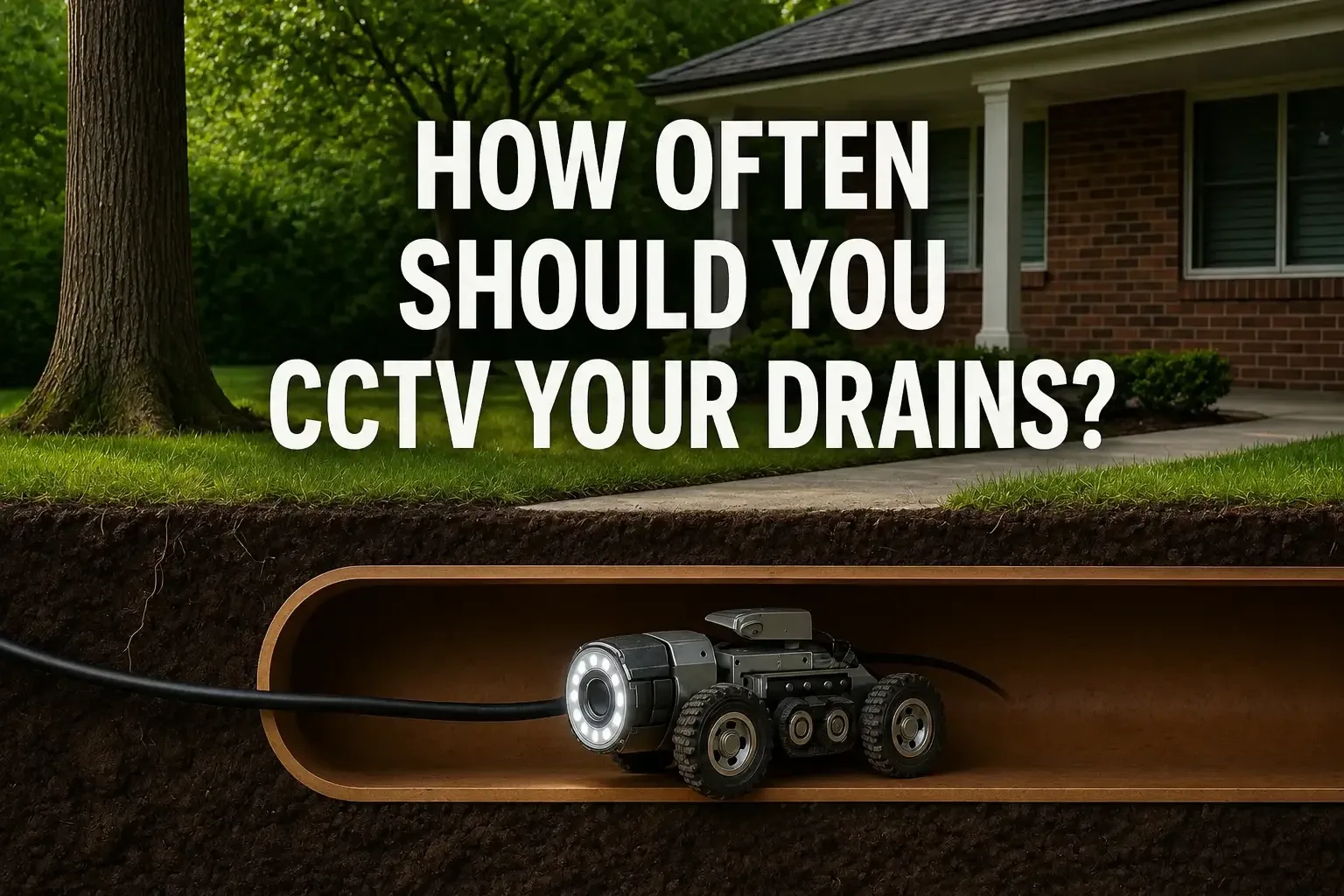
The frequency of CCTV inspections for drains varies based on specific risk factors rather than a fixed schedule. Properties with mature trees, older pipes, a history of b…
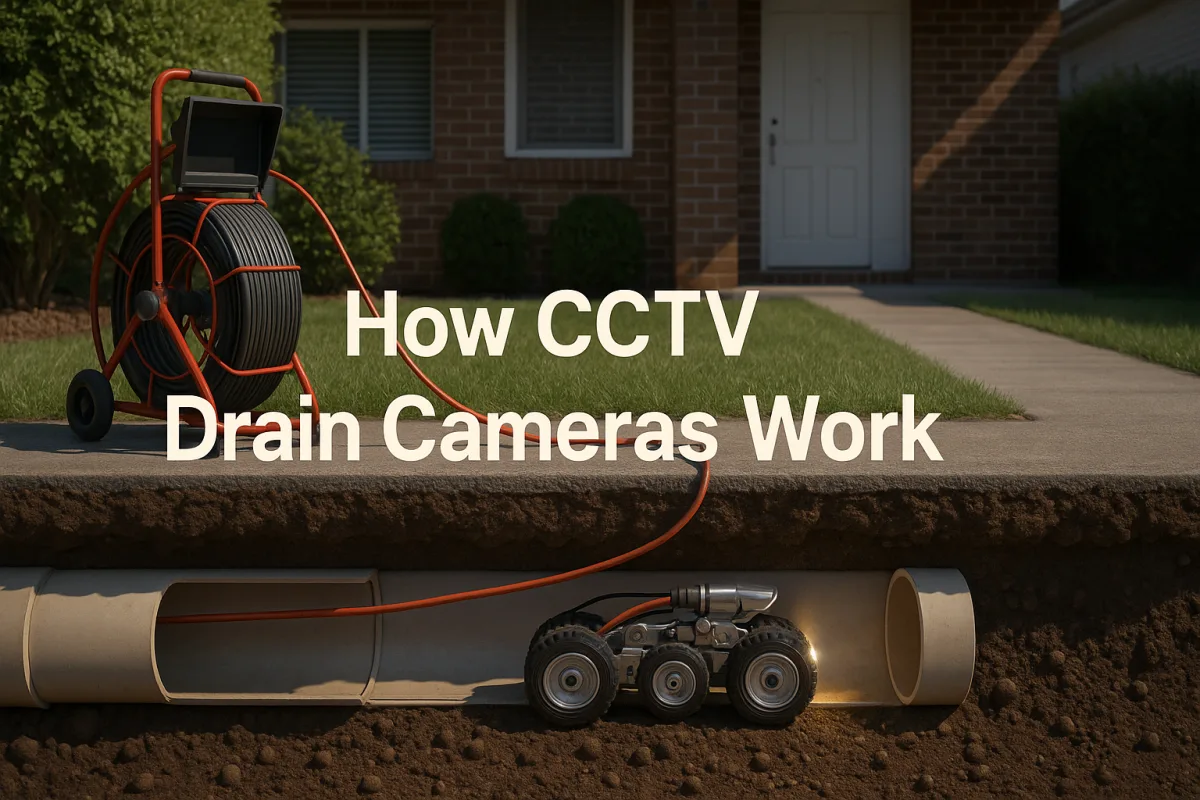
CCTV drain cameras are engineered to provide clear images inside pipes, featuring a waterproof, compact camera head with adjustable lighting, typically using bright LEDs.…
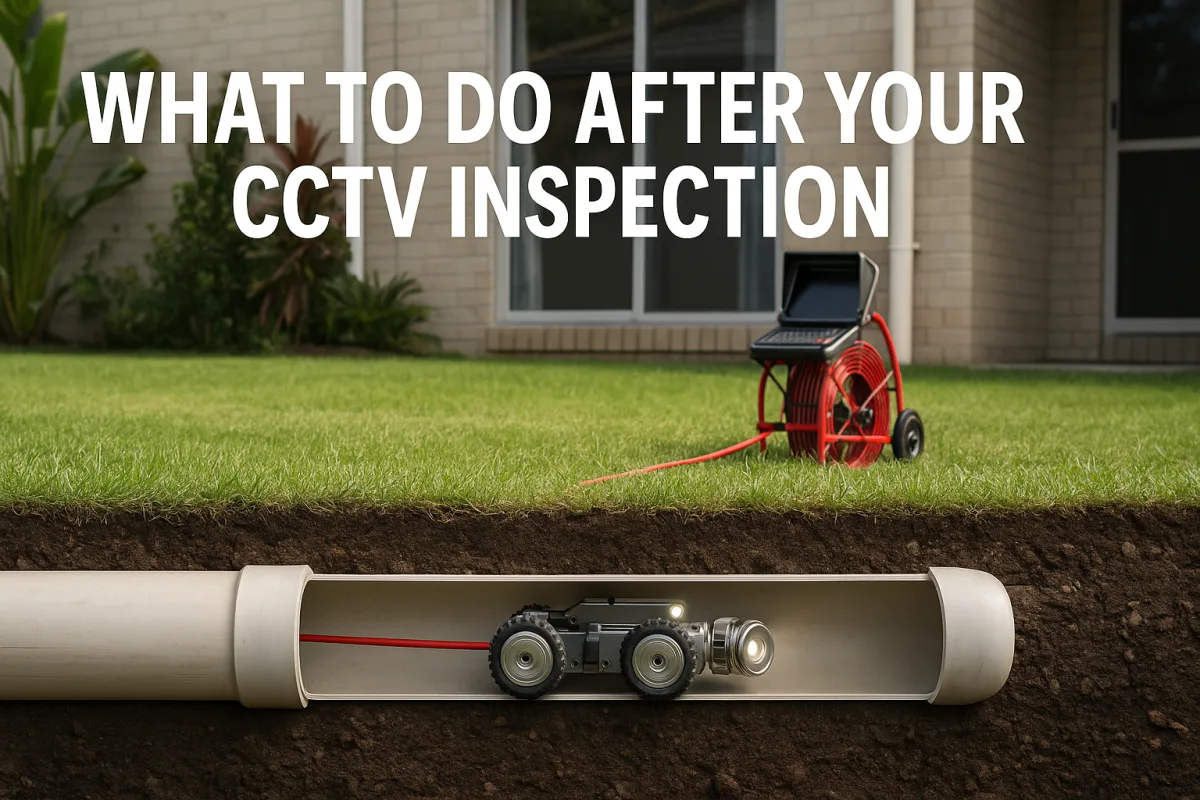
After a CCTV inspection, it is crucial to act on the findings. First, understand the report and prioritise issues by urgency: urgent problems, those needing prompt attent…
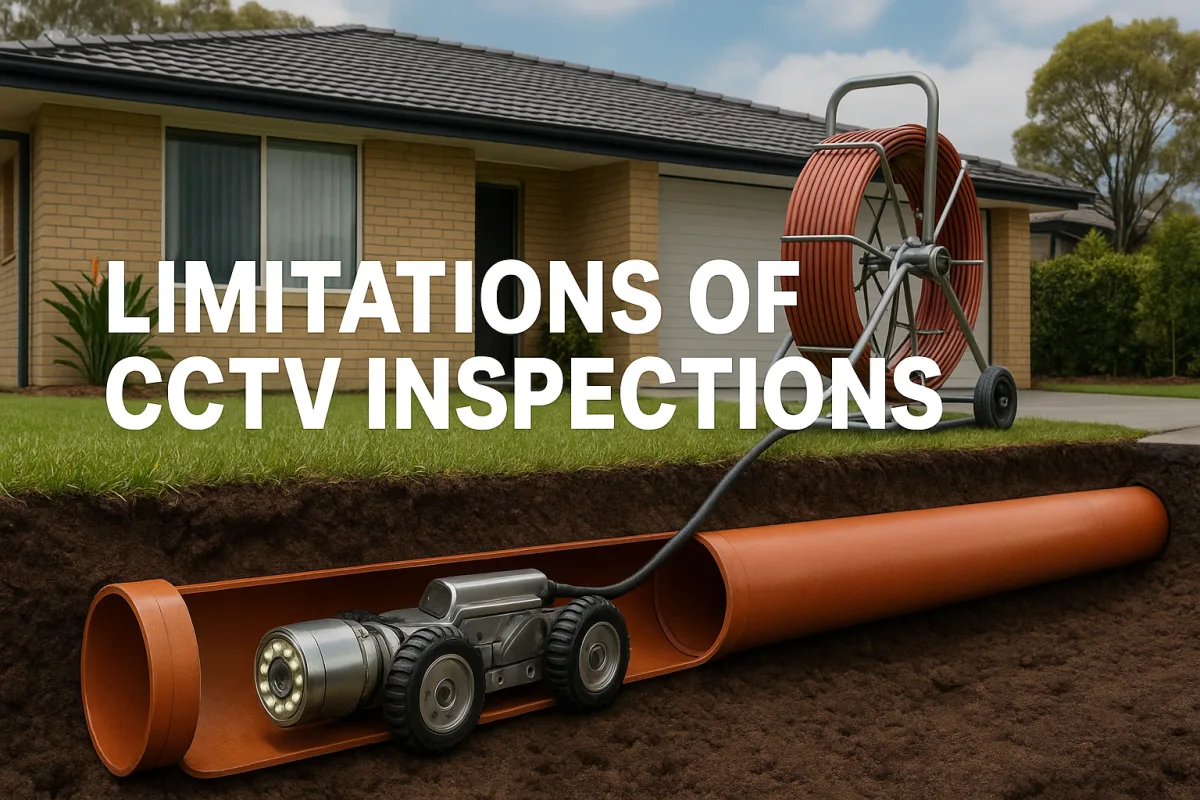
CCTV inspections are effective for diagnosing issues within pipes but have limitations. They cannot detect external leaks, view behind obstructions, or assess wall thickn…
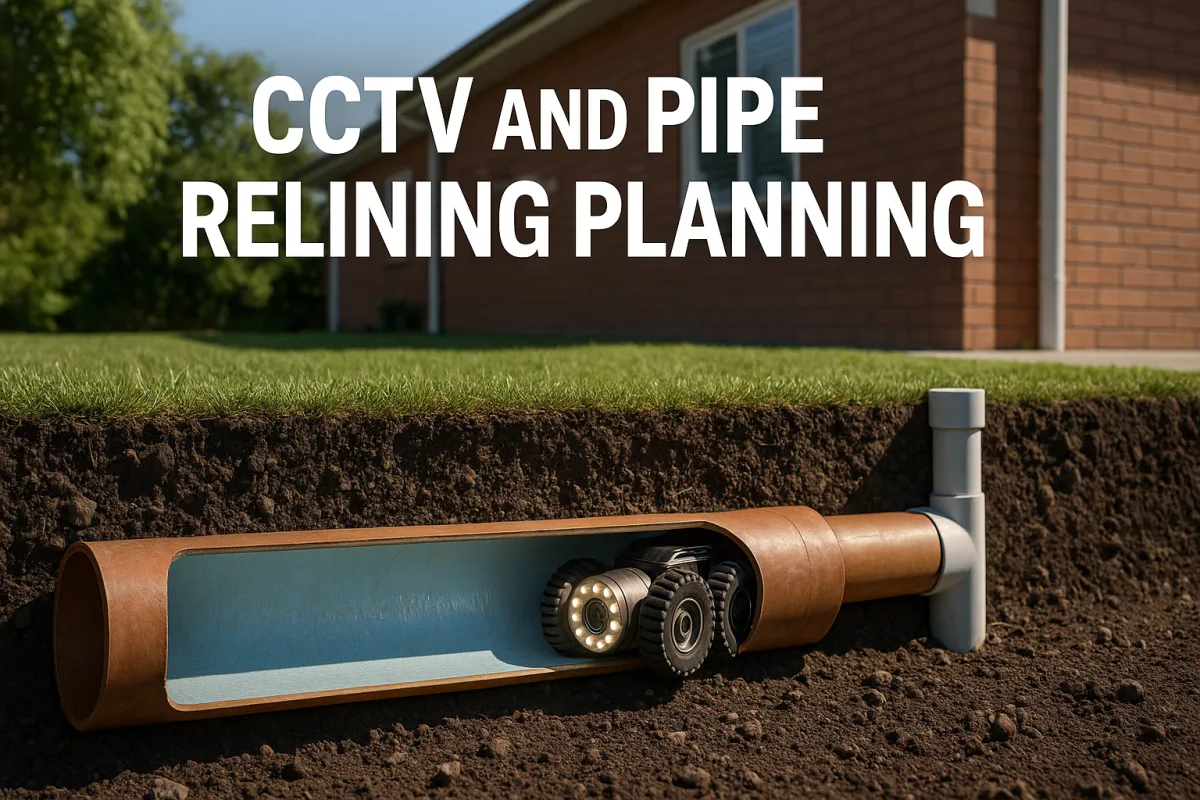
Pipe relining is a trenchless method for repairing damaged pipes from the inside, eliminating the need for excavation. Effective relining relies on thorough planning, whi…