Pipe relining is a trenchless way to repair a damaged pipe from the inside, without digging it up. It has become a popular alternative to excavation for many drainage faults. But relining is only as good as the planning behind it — and that planning depends entirely on a CCTV inspection. This lesson explains the relationship between the camera and the reline.
What relining is, in brief
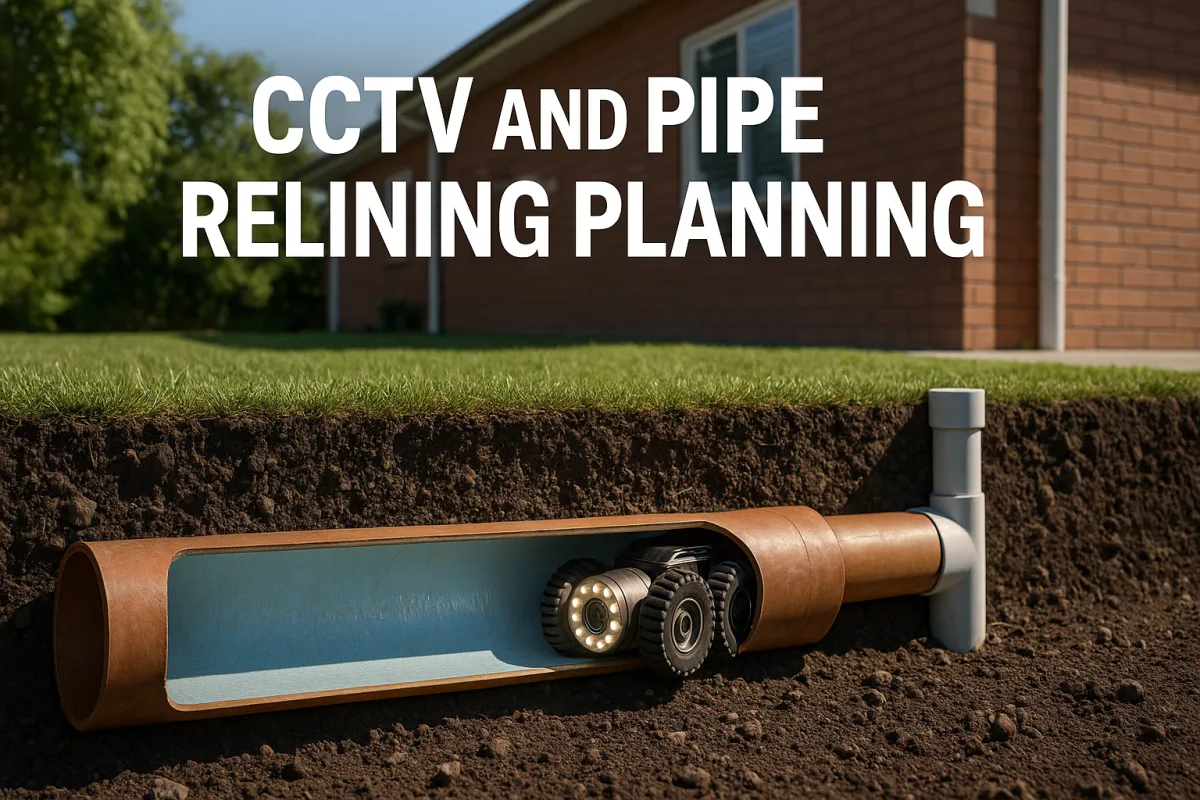
In general terms, relining involves inserting a resin-impregnated liner into the existing pipe and curing it in place to form a new, smooth pipe within the old one. It can seal cracks, cover joints where roots enter, and restore a continuous flow surface — all without the disruption of digging. Because the work happens inside the pipe, you need to know precisely what is inside before you start.
Why relining needs a camera
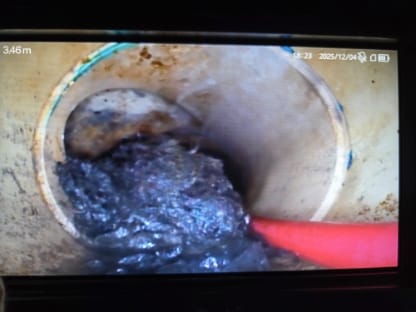
You cannot reline a pipe you cannot see. A CCTV inspection provides the information that makes a reline possible:
- The exact location and length of the damaged section
- The type of fault — a crack and a collapse call for different approaches
- The pipe diameter and material, which affect liner selection
- The condition of adjoining sections and any junctions along the way
- Whether the pipe is suitable for relining at all
Without this, relining would be guesswork — and relining the wrong section, or a pipe too damaged to reline, wastes time and money.
Preparing the pipe
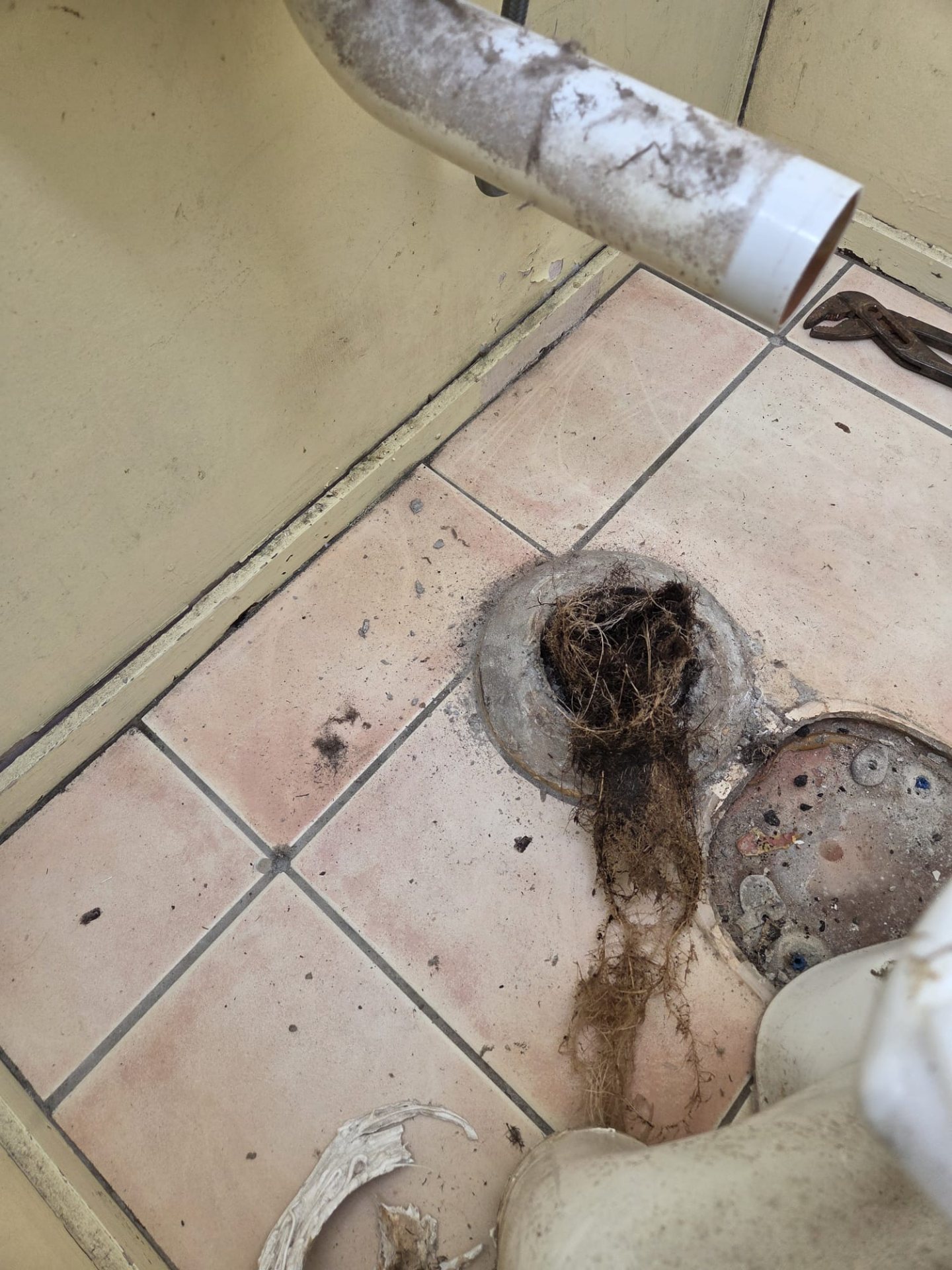
Before a liner goes in, the pipe usually needs to be clean and clear. That often means cutting out any root intrusion and removing debris or scale so the liner can bond properly to the pipe wall. The camera confirms the pipe is ready — a step that is easy to underestimate but essential for a durable result.
Relining without a camera is like tailoring a suit without measurements. The camera provides the measurements that make the repair fit.
Confirming suitability
Not every pipe is a candidate for relining. A camera helps determine whether:
- The pipe is intact enough to host a liner, or too collapsed and needs replacement
- The bends and junctions can be worked with
- The damaged length is within what relining can address
- Other faults, such as a belly, would remain after relining and need separate attention
This last point matters: relining seals cracks, but it does not correct a sag. If a pipe has both a crack and a belly, the belly may still need re-laying — which the camera reveals up front.
Verifying the result
After relining, a follow-up camera run confirms the liner has cured smoothly, the cracks and joints are sealed, and flow is restored. This post-repair inspection is your proof that the work succeeded and a baseline for the future. To understand the faults that lead to relining, revisit finding tree root intrusion with CCTV and detecting pipe cracks and collapses.
If your inspection has revealed damage that might suit relining, a licensed plumber can assess whether it is appropriate and plan the work — get in touch through the contact page or explore drainage services.