An inspection is only valuable if you act on it. Once you have your footage and report, the next step is turning those findings into sensible decisions — what to fix now, what to watch, and how to keep your drains healthy. This lesson brings the series together with a practical plan for what comes after the camera.
Understand and prioritise the findings
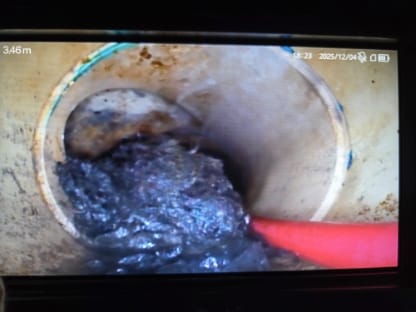
Start by making sure you understand the report. Ask the operator to explain anything unclear, then group the findings by urgency:
- Urgent — active problems likely to cause failure or damage soon, such as a collapse or heavy root intrusion.
- Plan soon — issues that are not emergencies but will worsen if ignored, such as a growing crack.
- Monitor — minor observations that are stable and can be watched over time.
This prioritisation turns a list of faults into a clear order of action. For help reading the report, see reading a CCTV drain report.
Choose the right repair approach
Different faults call for different responses. Depending on what was found:
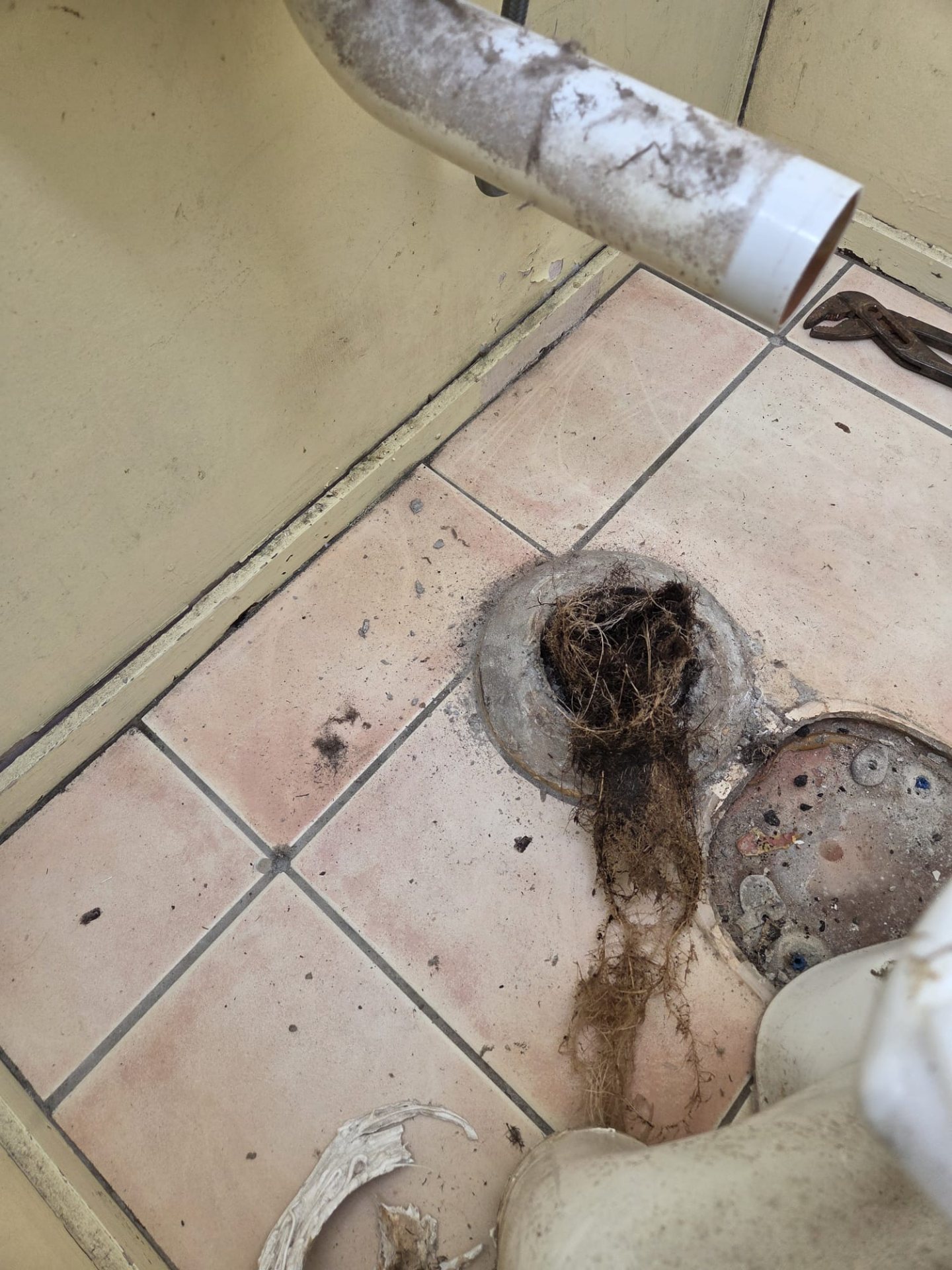
- Root intrusion may need cutting followed by relining to seal the entry point.
- A crack may suit trenchless relining before it worsens.
- A belly usually needs the affected section re-laid to restore fall.
- A collapse often requires excavation and replacement.
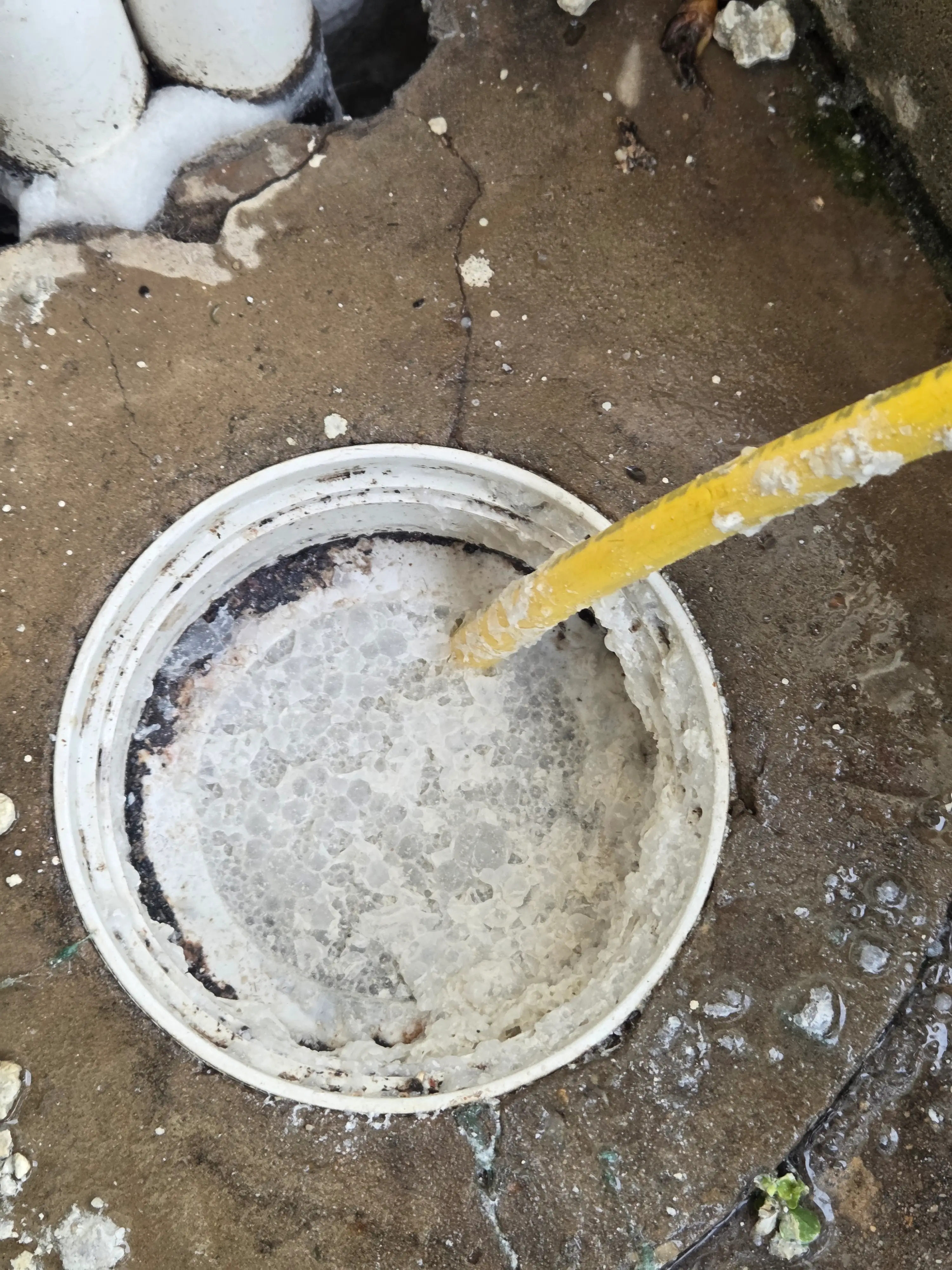
- Grease or scale build-up may call for cleaning and a change in habits.
Discuss the options with a licensed plumber and choose based on the fault, the pipe's condition and your budget. Relining is explained in CCTV and pipe relining planning.
Confirm the repair worked
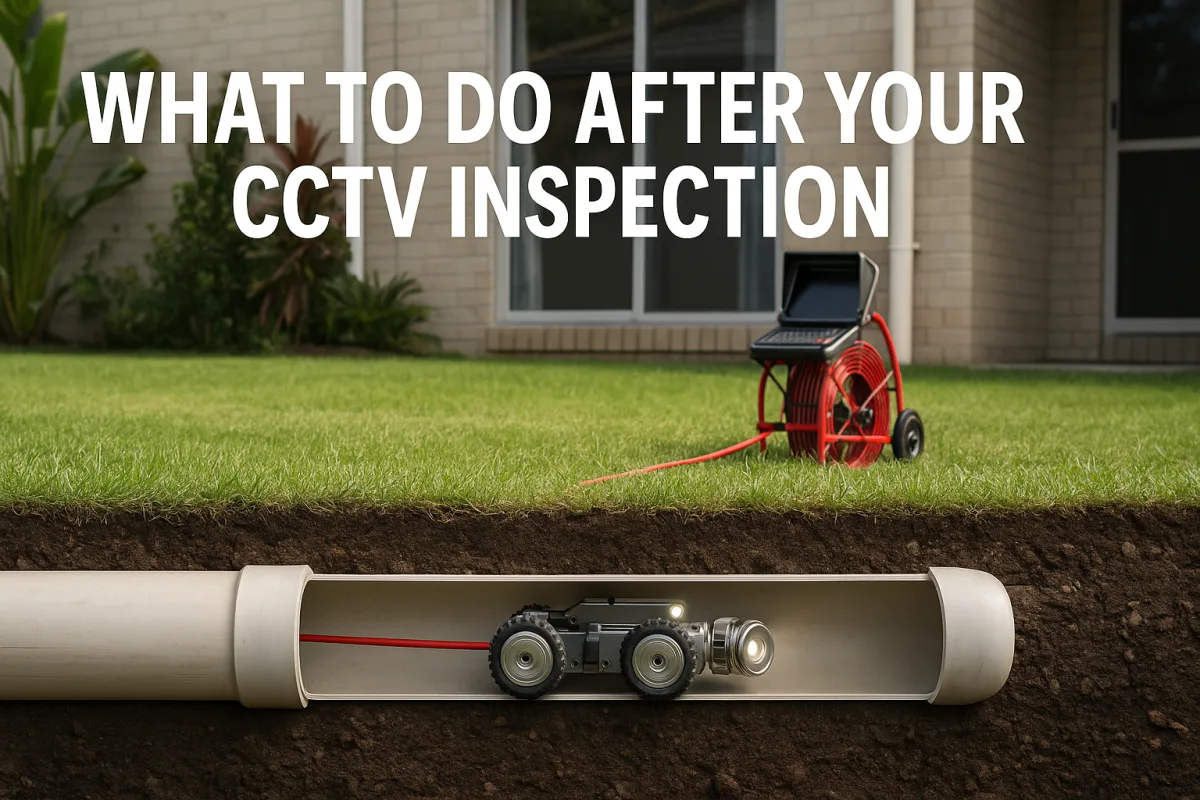
After any significant repair, a follow-up camera run confirms the work succeeded — the crack is sealed, the roots are gone, the flow is restored. This verification is worth having, and it also creates an updated baseline for the future.
The goal is not just to fix what is broken, but to leave your drains in a known, documented condition you can rely on.
Keep your records
Store your footage and report somewhere safe and accessible. They are valuable for:
- Comparison against future inspections
- Supporting an insurance claim if needed
- Providing evidence if you sell the property
- Briefing any specialist who quotes on future work
Prevent future problems
Finally, use what you have learned to protect your drains going forward. Sensible habits include being careful about what goes down sinks and toilets, being mindful of tree planting near pipe routes, keeping known faults under review, and inspecting again at a sensible interval based on your risk. For guidance on timing, see how often should you CCTV your drains.
If your inspection has revealed work that needs doing, or you simply want advice on the best next step, a licensed plumber can help you plan it — get in touch through the contact page or explore drainage services. You can also browse completed projects to see how drainage problems are resolved in practice.