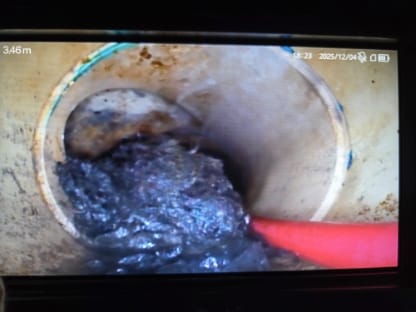
A CCTV drain inspection is a way of looking inside your underground pipes without digging them up. A licensed plumber or drainage technician pushes a small, waterproof camera on a flexible cable through the drain, and a screen at the surface shows a live video of the pipe's interior. It is the same idea a doctor uses when they send a tiny camera inside the body to see what an X-ray cannot — except here the "patient" is your sewer, stormwater or downpipe network.
For decades, diagnosing a drain problem meant educated guessing followed by excavation. If a toilet kept backing up, the only way to be sure of the cause was to dig. CCTV changed that completely. Today, a camera can travel tens of metres through a pipe and reveal the exact location and nature of a problem, so any repair is targeted rather than exploratory.
What the equipment looks like
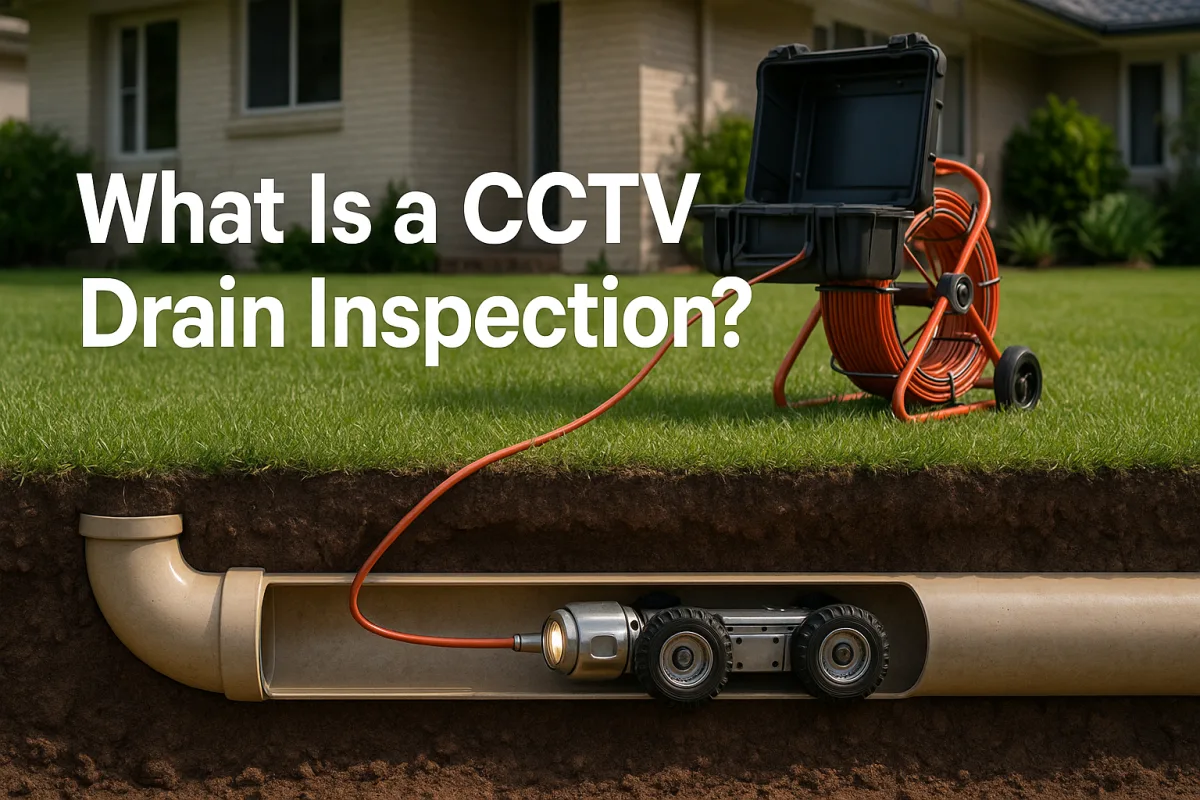
A modern drain camera system has a few key parts working together:
- The camera head — a compact, sealed lens with bright LED lights, small enough to travel through household pipes.
- The push rod or crawler — a semi-rigid cable (or a motorised "crawler" for large pipes) that feeds the camera through the line.
- The monitor and recorder — a screen that displays the live feed and saves footage for your report.
- A sonde and locator — a small transmitter near the camera head that lets the operator pinpoint the camera's exact position and depth from above ground.
Why guesswork is a costly habit
Without a camera, a recurring blockage might be "fixed" three or four times before anyone realises the real cause is a collapsed section or invading tree roots. Every visit costs money, and the problem keeps returning. A CCTV inspection breaks that cycle by showing the cause once, clearly, so the right repair is chosen the first time.
Seeing the problem is almost always cheaper than digging to find it. A camera turns a mystery into a measured, located fault you can plan around.
What an inspection can reveal
A camera run typically uncovers issues such as:
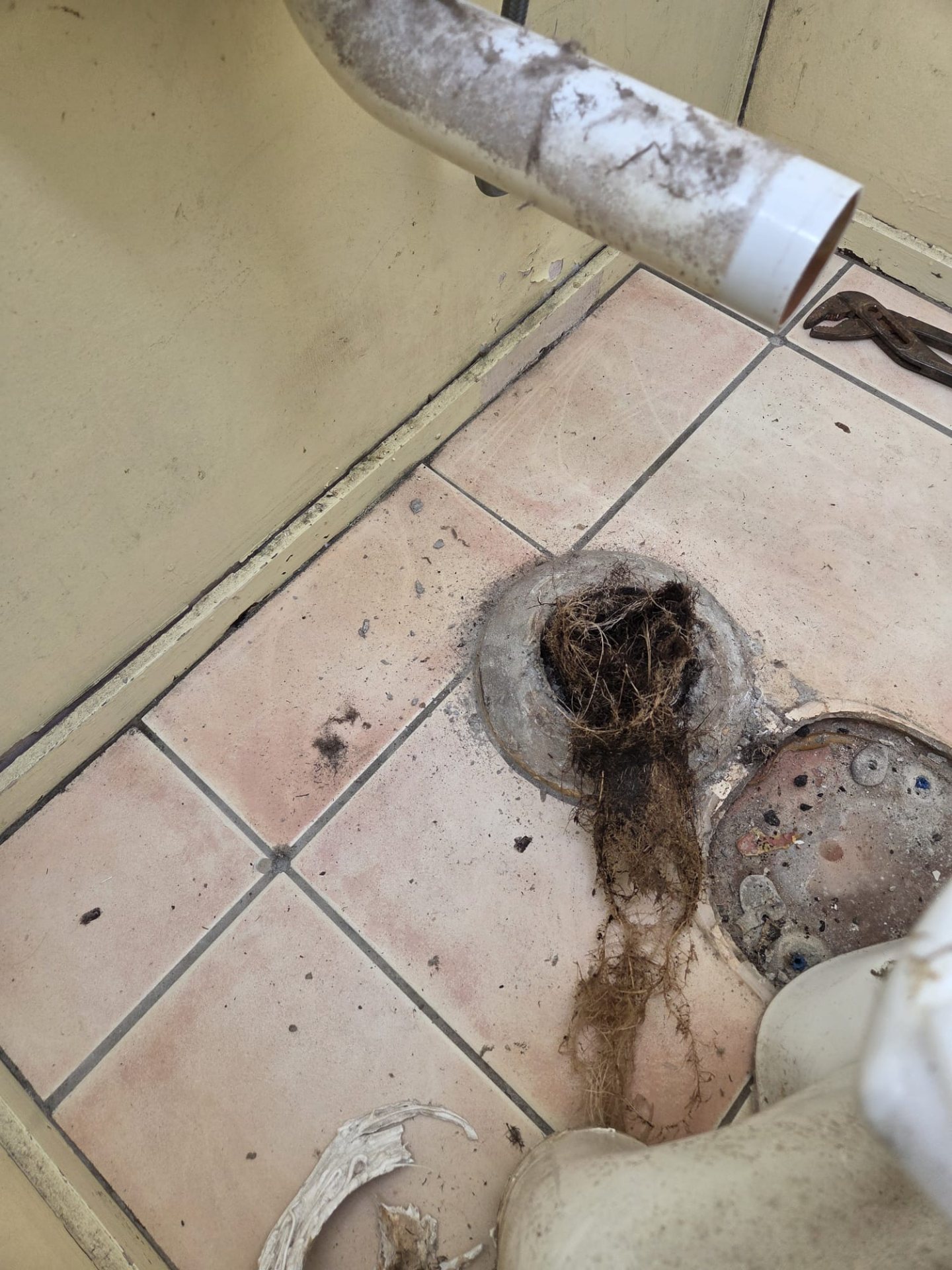
- Tree root intrusion pushing through joints and cracks
- Cracked, fractured or fully collapsed pipe sections
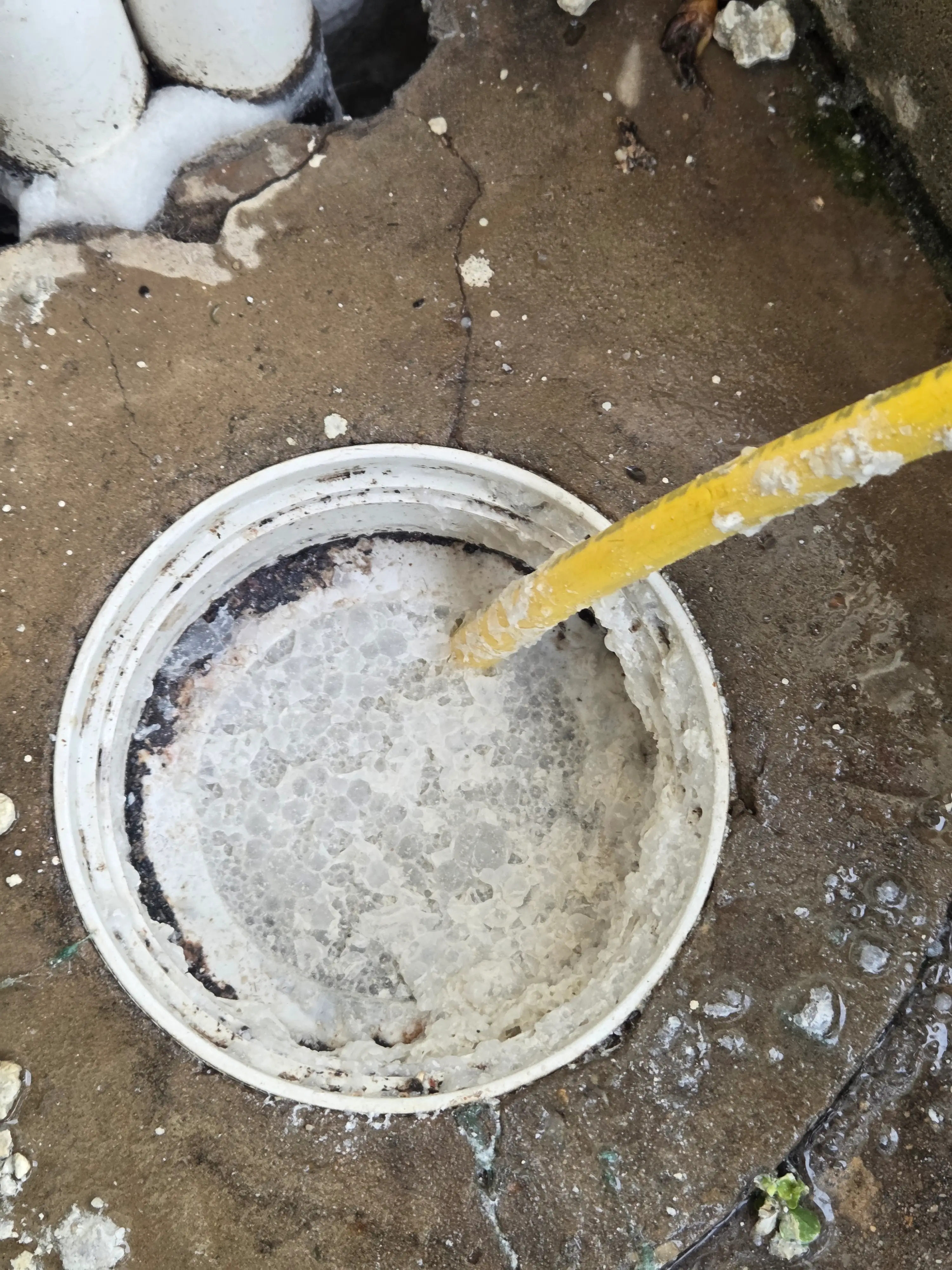
- Blockages from grease, debris, foreign objects or scale build-up
- Pipe sag or "bellies" where water and waste pool instead of flowing
- Misaligned joints, poor falls and old, deteriorating materials
Because the footage is recorded, you get lasting evidence you can keep, share with a specialist, or use to compare against a future inspection.
Where CCTV inspections fit in Brisbane
Brisbane's mix of established suburbs, mature trees and clay-heavy soils makes drains particularly prone to root intrusion and ground movement. Older properties may still have earthenware or early PVC pipes with joints that roots love to exploit. Heavy summer storms can also overload and shift stormwater lines. A camera inspection is a practical first step whenever a drain behaves oddly, before you buy a property, or when planning any drainage work.
Is it right for you?
If your drains gurgle, drain slowly, smell, or back up repeatedly, an inspection can identify why. It is also valuable when there are no obvious symptoms yet — such as during a pre-purchase check — because it reveals hidden faults before they become emergencies. To understand the technology in more detail, read how CCTV drain cameras work, or explore the full CCTV Drain Inspections series.
If you are unsure whether your situation warrants an inspection, a quick chat with a licensed plumber can help. You can reach the team through the contact page to talk through your symptoms and options.