Tree roots are one of the most common causes of blocked and damaged drains, particularly in Brisbane's leafy, established suburbs. A CCTV inspection is the clearest way to confirm root intrusion, see how bad it is, and locate exactly where the roots are getting in. This lesson explains the problem and what to do about it.
Why roots invade pipes
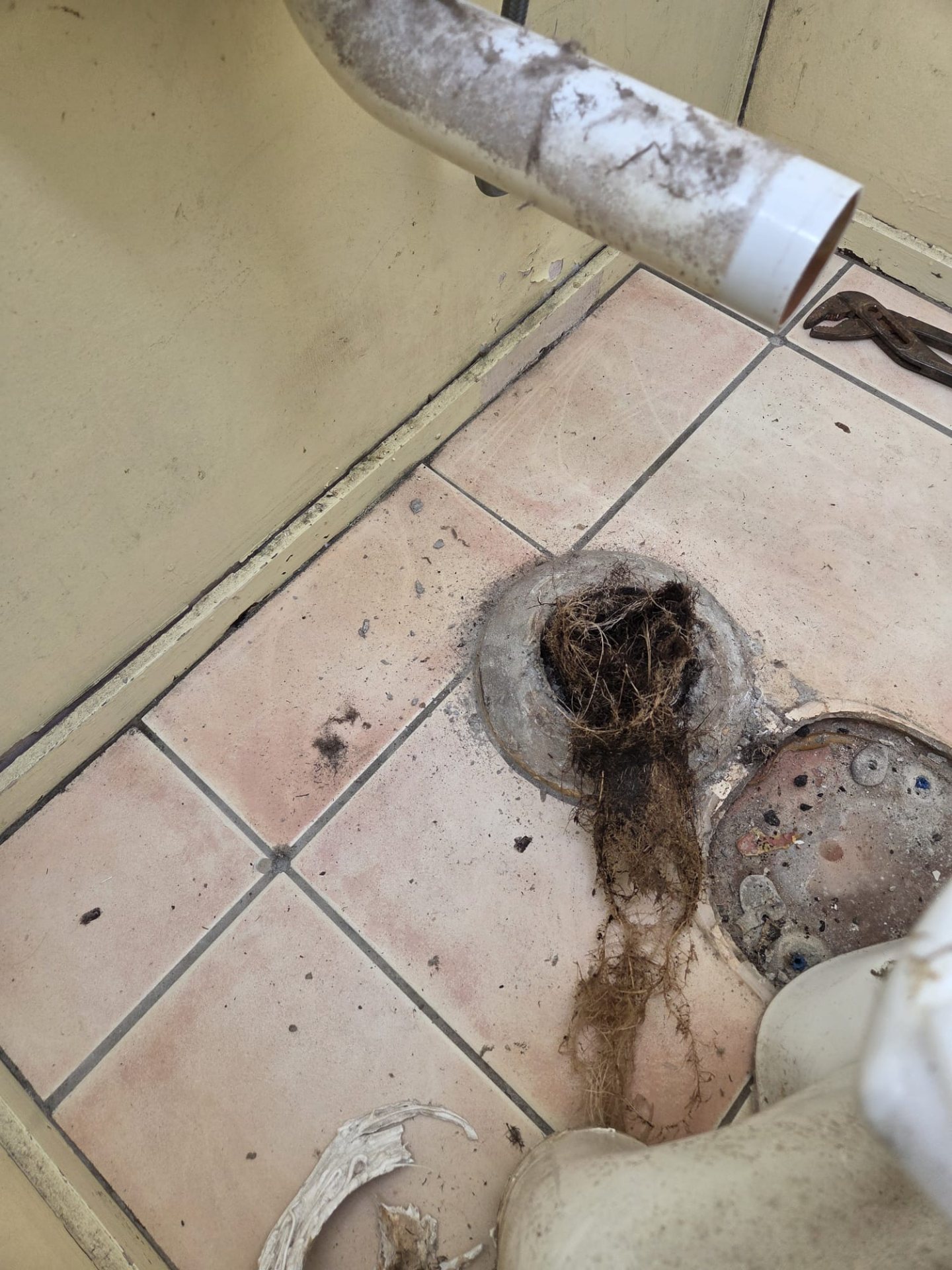
Roots are simply doing what roots do — seeking water and nutrients. A drain carries a steady supply of both, and even a tiny crack or a slightly loose joint lets moisture escape into the surrounding soil. Roots detect that moisture and grow toward it. Once a fine root finds a gap, it pushes inside, where conditions are ideal for rapid growth. Over time a single hair-like root can become a dense, matted mass.
What root intrusion looks like on camera
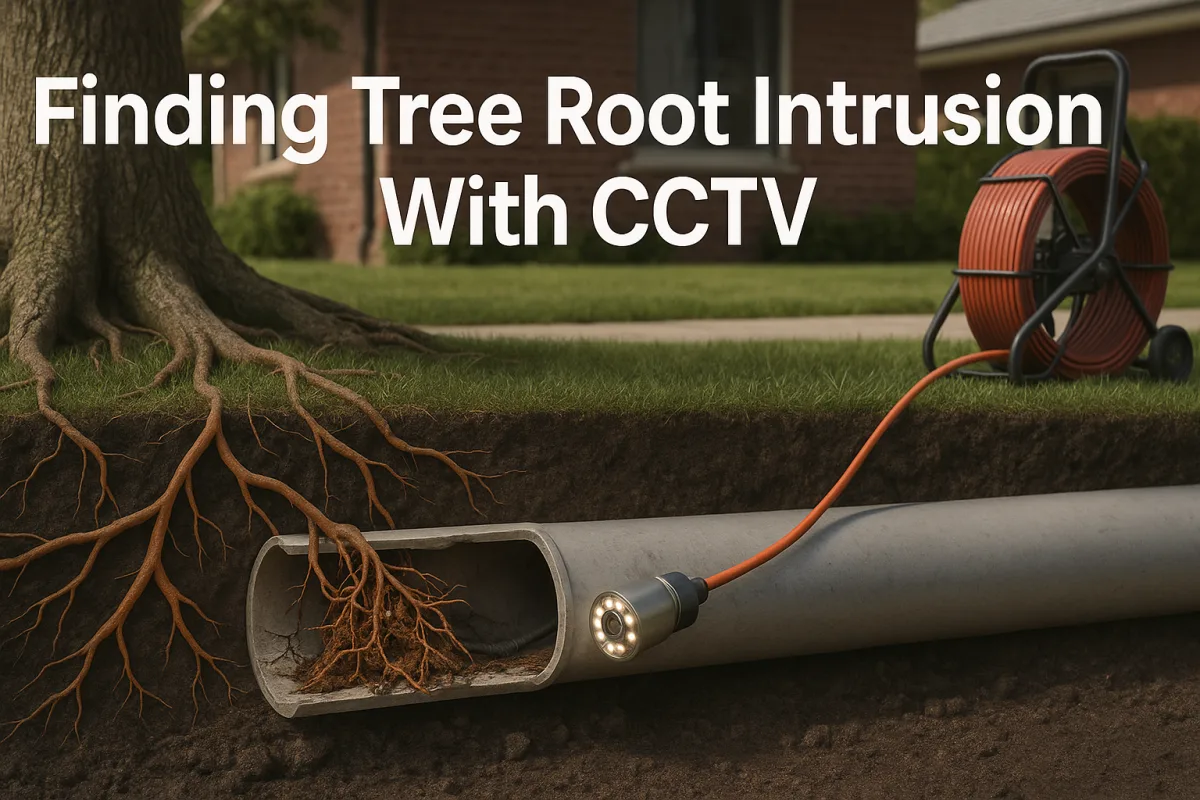
On the screen, root intrusion is usually unmistakable:
- Fine, hair-like roots entering at a joint or crack
- Larger root masses partly or fully filling the pipe
- Debris and waste caught in the roots, worsening the blockage
- The specific joint or fracture acting as the entry point
The camera shows not just that roots are present, but exactly where they enter — which is essential, because sealing that entry point is the key to a lasting fix.
Why clearing alone is not enough
Mechanically cutting or clearing roots restores flow, but it does not remove the reason the roots came in. The crack or joint is still there, still leaking moisture, and roots will find their way back — often within a season or two. That is why root problems so often recur after a simple clear. A camera reveals the underlying defect so it can be addressed properly.
Cutting roots without sealing the entry point is like mowing weeds without pulling them — they will be back.
Options once roots are found
Depending on what the camera reveals, options generally include:
- Mechanical cutting to remove the current root mass and restore flow.
- Relining the affected section to seal the cracks and joints so roots can no longer enter — often the most durable solution.
- Excavation and replacement where a pipe is too damaged to reline.
- Ongoing monitoring with periodic camera checks if the intrusion is minor.
A follow-up inspection after any work confirms the pipe is clear and the entry point is sealed. To understand relining, read CCTV and pipe relining planning.
Managing trees and drains together
You do not have to remove every tree near a drain. Sensible steps include being aware of where your pipes run before planting, choosing less aggressive species near drainage, and keeping drains in good repair so there is no moisture leaking out to attract roots in the first place. A sound, sealed pipe is far less inviting to roots than a cracked, weeping one.
If you suspect roots are behind your recurring blockages, a licensed plumber can inspect, confirm the entry points, and recommend a lasting fix — reach out through the contact page or explore drainage services.