When different people inspect drains, they need to describe what they see in a way that everyone understands the same way. That is the purpose of standardised defect coding — a shared vocabulary for classifying pipe faults so a report means the same thing no matter who reads it. This lesson explains the concept in general terms, without getting into any specific system's clause numbers.
Why standard coding exists
Imagine two plumbers describing the same fault. One writes "a bit of a crack", the other writes "moderate longitudinal fracture with minor root entry". The second is far more useful, but only if everyone agrees on what those words mean. Standardised coding solves this by defining consistent terms and grades so that observations are recorded objectively rather than in loose, personal language.
The general idea
Coding systems typically break a defect down into a few consistent pieces of information:
- What the defect is — for example a crack, a deformation, an intrusion or a deposit.
- Where it is — the position along the pipe and often the position around the pipe wall (imagined like a clock face).
- How severe it is — a grade reflecting how serious or advanced the problem is.
- How extensive it is — whether it is a single point or continuous along a length.
By capturing these consistently, a report becomes a structured record rather than a collection of opinions.
Categories of defects
In broad terms, defects tend to fall into a few families:
- Structural — cracks, fractures, deformation and collapse that affect the pipe's integrity.
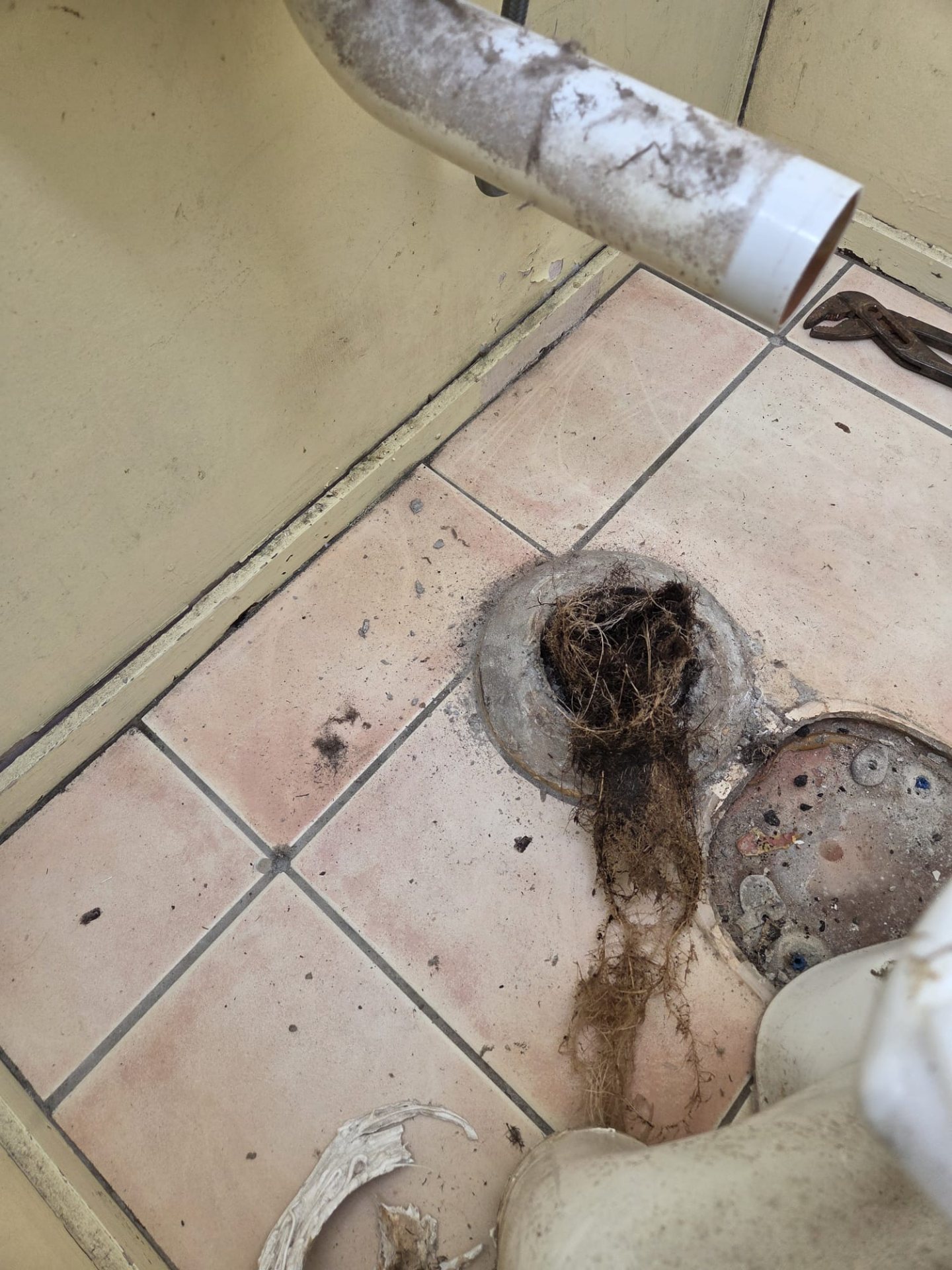
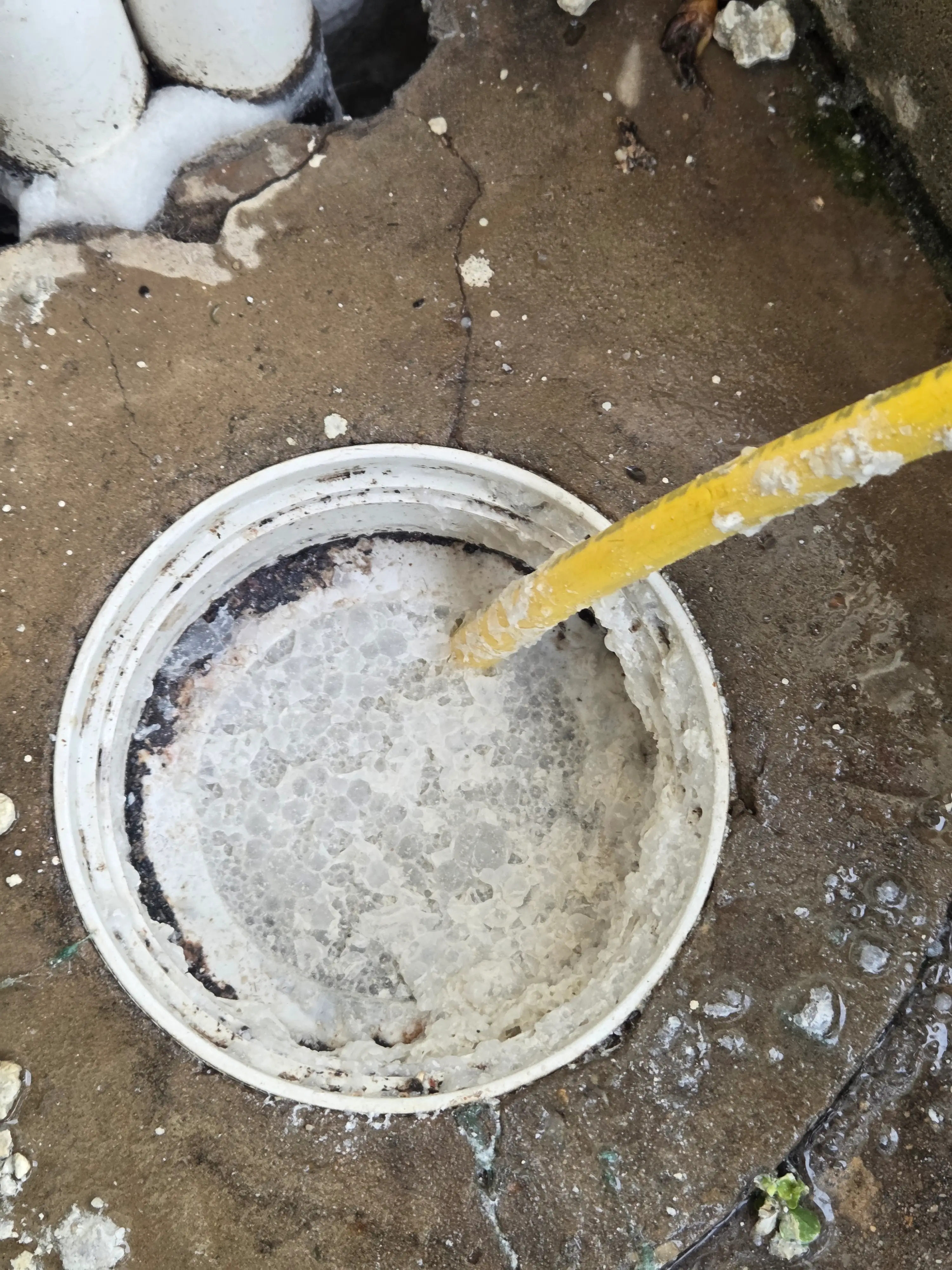
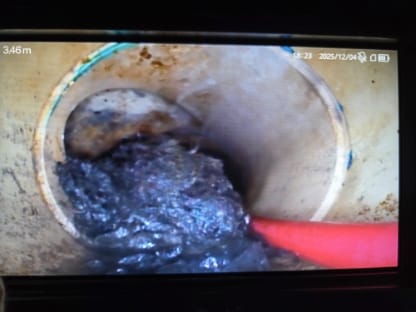
- Service or operational — roots, deposits, blockages and other things that affect flow.
- Construction — issues from how the pipe was built or connected, such as intruding connections or displaced joints.
Grouping faults this way helps prioritise: a structural collapse and a light grease deposit are very different problems even if both appear in the same pipe.
Why it matters to you
Even though you will not be doing the coding yourself, standardised reporting benefits you directly:
- It makes reports comparable over time, so a follow-up inspection can be measured against the first.
- It supports fair quoting, because different specialists are describing the same fault in the same way.
- It provides clear evidence for insurance or a property sale.
- It reduces the risk of a problem being under- or over-stated.
A consistent language for defects turns a subjective glance into an objective, repeatable record — which is exactly what you want when money and decisions ride on it.
What to look for in a coded report
When you receive a report that uses structured coding, you should still expect a plain-English summary alongside it. A good operator translates the codes into a clear explanation of what is wrong, how serious it is, and what your options are. If a report is all codes and no explanation, ask for that translation. To see how findings appear in practice, revisit reading a CCTV drain report.
If you have a coded report and want it explained in plain terms, a licensed plumber can help — reach out through the contact page.