Structural damage — cracks, fractures and outright collapses — is among the most serious things a drain inspection can find. Unlike a blockage that can be cleared, structural failure usually means the pipe itself needs repair or replacement. A CCTV camera is the clearest way to detect this damage and judge how far it has progressed. This lesson explains what to look for and why timing matters.
From crack to collapse
Structural failure is usually a progression, not a sudden event:
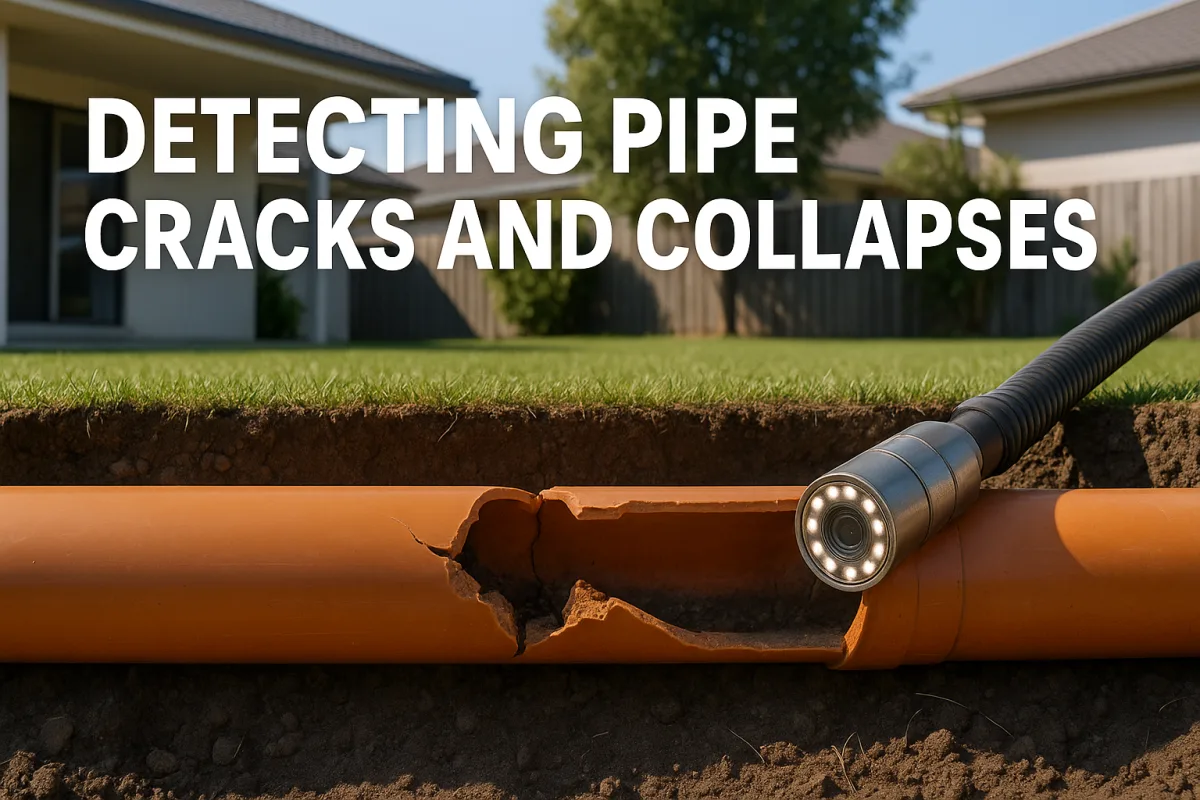
- Hairline crack — a fine split, often the first sign of stress. Flow may seem normal, but roots and water can now get in.
- Open crack or fracture — the split widens, letting in more roots, soil and groundwater.
- Broken or displaced section — pieces of pipe shift out of place, snagging debris and restricting flow.
- Collapse — the pipe caves in, partially or fully blocking the line and often requiring excavation.
The earlier in this sequence you catch the problem, the smaller and cheaper the fix.
What causes structural damage
Several factors contribute, and in Brisbane they often combine:
- Ground movement — reactive clay soils swell and shrink with wet and dry cycles, stressing pipes.
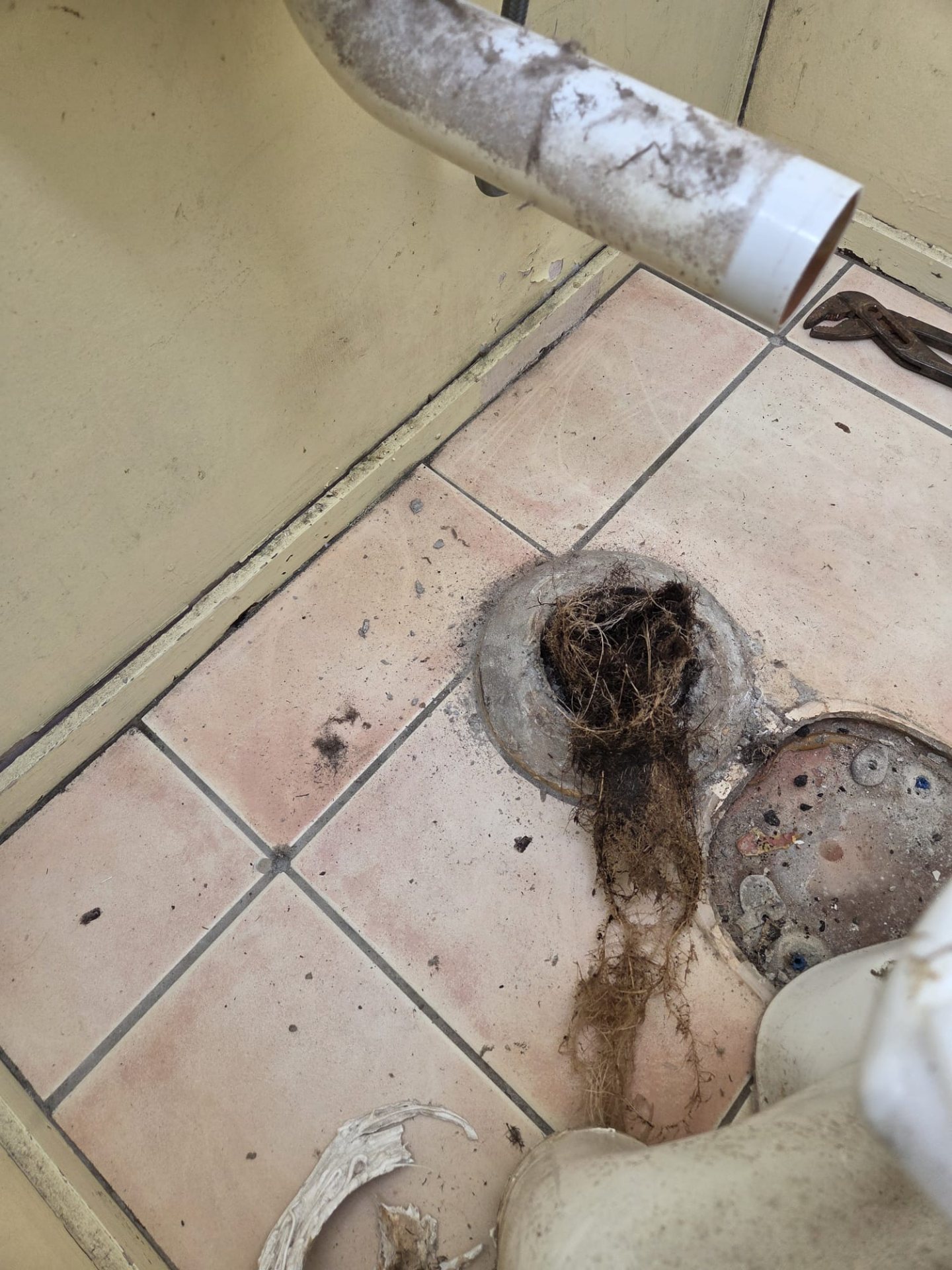
- Tree roots — roots widen existing cracks as they grow.
- Age and material — older earthenware and some early materials become brittle over time.
- Load from above — heavy vehicles or construction over a shallow pipe can crush it.
- Poor installation — inadequate bedding or support leaves a pipe vulnerable.
How the camera reveals severity
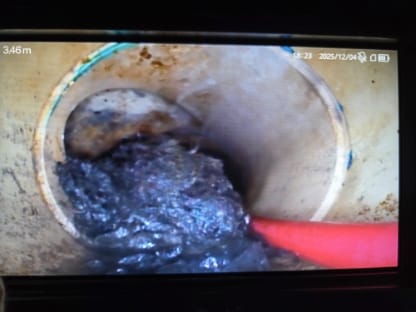
A skilled operator does more than spot a crack — they assess how serious it is. On camera, they can distinguish a stable hairline crack from an active fracture letting in roots and soil, and they can identify a displaced joint versus a genuine collapse. Standing water, visible soil inside the pipe, or a sudden loss of the camera's path all point to advanced damage. This assessment guides whether the response is monitoring, relining or replacement.
A hairline crack today can be a collapsed sewer next year. The camera lets you decide before the ground decides for you.
Why early detection saves money
A minor crack found early may be sealed with relining — a trenchless repair that avoids major digging. Left alone, that same crack can admit roots and soil, lose the pipe's fall, and eventually collapse, at which point excavation and replacement may be unavoidable. The difference in cost and disruption between these two outcomes is significant, which is why regular inspection of older or at-risk drains is worthwhile.
What to do with the findings
If an inspection reveals structural damage, the report should describe the type, location and severity, and outline options. Discuss whether relining or replacement suits the situation, and consider a follow-up inspection after any repair to confirm success. For related flow issues that often accompany structural faults, see identifying pipe sag and bellies.
If you are concerned about the structural condition of your drains, a licensed plumber can inspect and advise on the right repair — get in touch through the contact page.