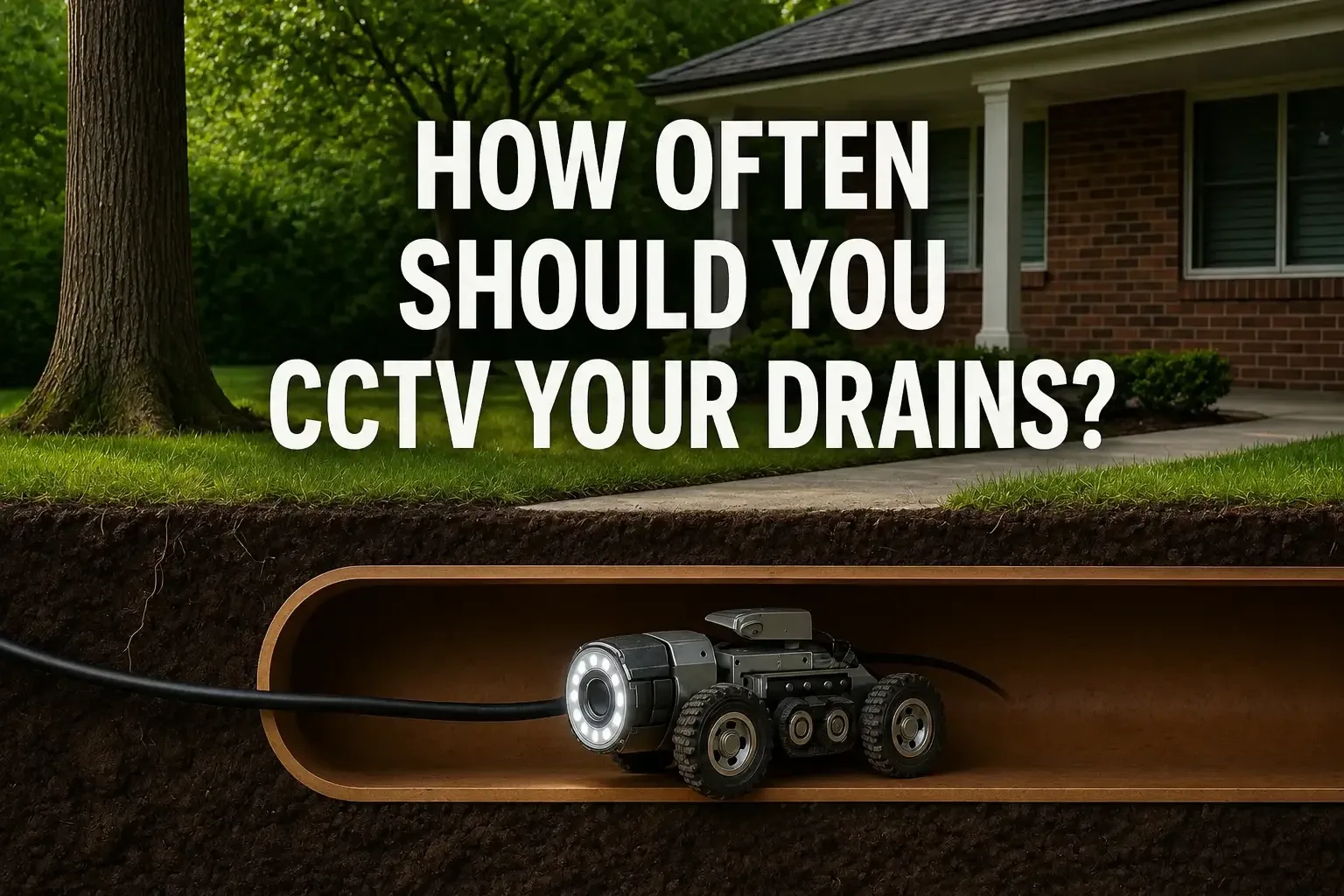
A common question after an inspection is: how often should I do this? There is no single correct answer that suits every property — the right frequency depends on your particular risk factors. This lesson helps you think it through so you can set a sensible schedule rather than guessing.
It depends on risk, not a fixed rule
Some properties can go many years between inspections without trouble; others benefit from more regular checks. Rather than a fixed calendar rule, it helps to weigh up the things that make your drains more or less likely to develop problems. A higher-risk property justifies more frequent inspection; a lower-risk one needs it less often.
Factors that suggest more frequent inspection
Consider inspecting more often if your property has:
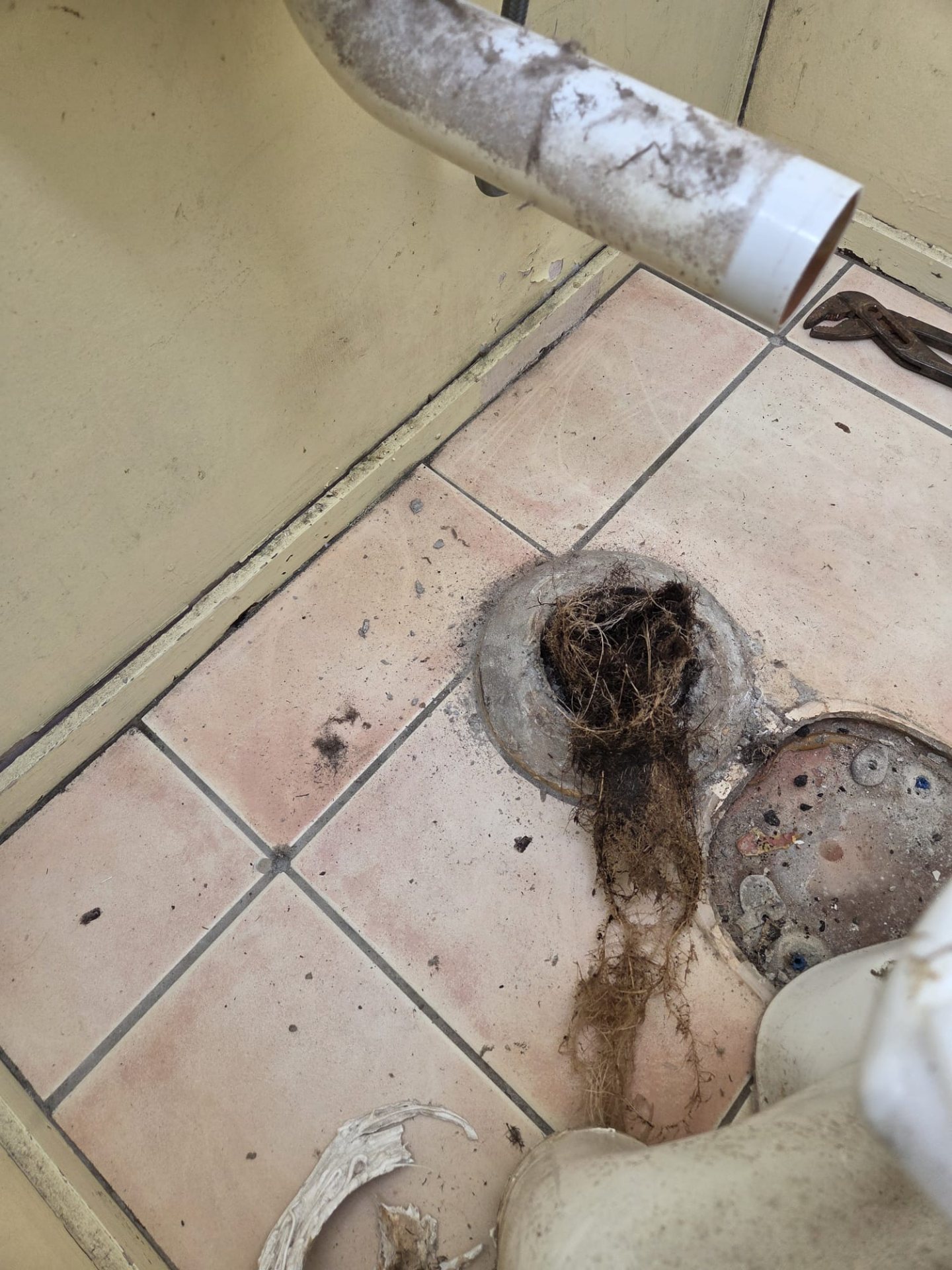
- Mature trees near the pipe route, raising the risk of root intrusion
- Older pipes made of earthenware or other ageing materials
- A history of blockages or previous drainage repairs
- Reactive clay soils prone to movement, common across Brisbane
- Known bellies or minor faults being monitored over time
- Heavy use, such as a large household or a commercial premises
Factors that allow longer intervals
You may be able to wait longer between inspections if your property has:
- Newer pipes in good, confirmed condition
- Few or no large trees near the drains
- No history of drainage problems
- A recent clean bill of health from a thorough inspection
The value of a baseline
One inspection is a snapshot; a series of inspections tells a story. An initial "baseline" inspection establishes the condition of your drains. Comparing later inspections against that baseline shows whether anything is developing — for example, whether a minor crack is stable or slowly worsening, or whether roots are creeping back after a repair. This trend information is often more useful than any single inspection.
The best schedule is one matched to your property's risks — frequent enough to catch problems early, without inspecting for the sake of it.
Event-driven inspections
Beyond any regular schedule, certain events warrant an inspection regardless of timing:
- After a major storm, especially if you saw flooding or ground movement
- Before buying a property
- When new symptoms appear, such as recurring blockages or odours
- After any drainage repair, to confirm success
- Before major landscaping or building over the pipe route
Setting your own rhythm
A practical approach is to start with a baseline inspection, discuss your specific risk factors with a licensed plumber, and agree on a sensible interval — then adjust it based on what each inspection finds. If everything stays clear, you can lengthen the interval; if issues appear, you tighten it. For storm-specific guidance, see CCTV after storm damage.
To discuss a sensible inspection schedule for your property, get in touch through the contact page.