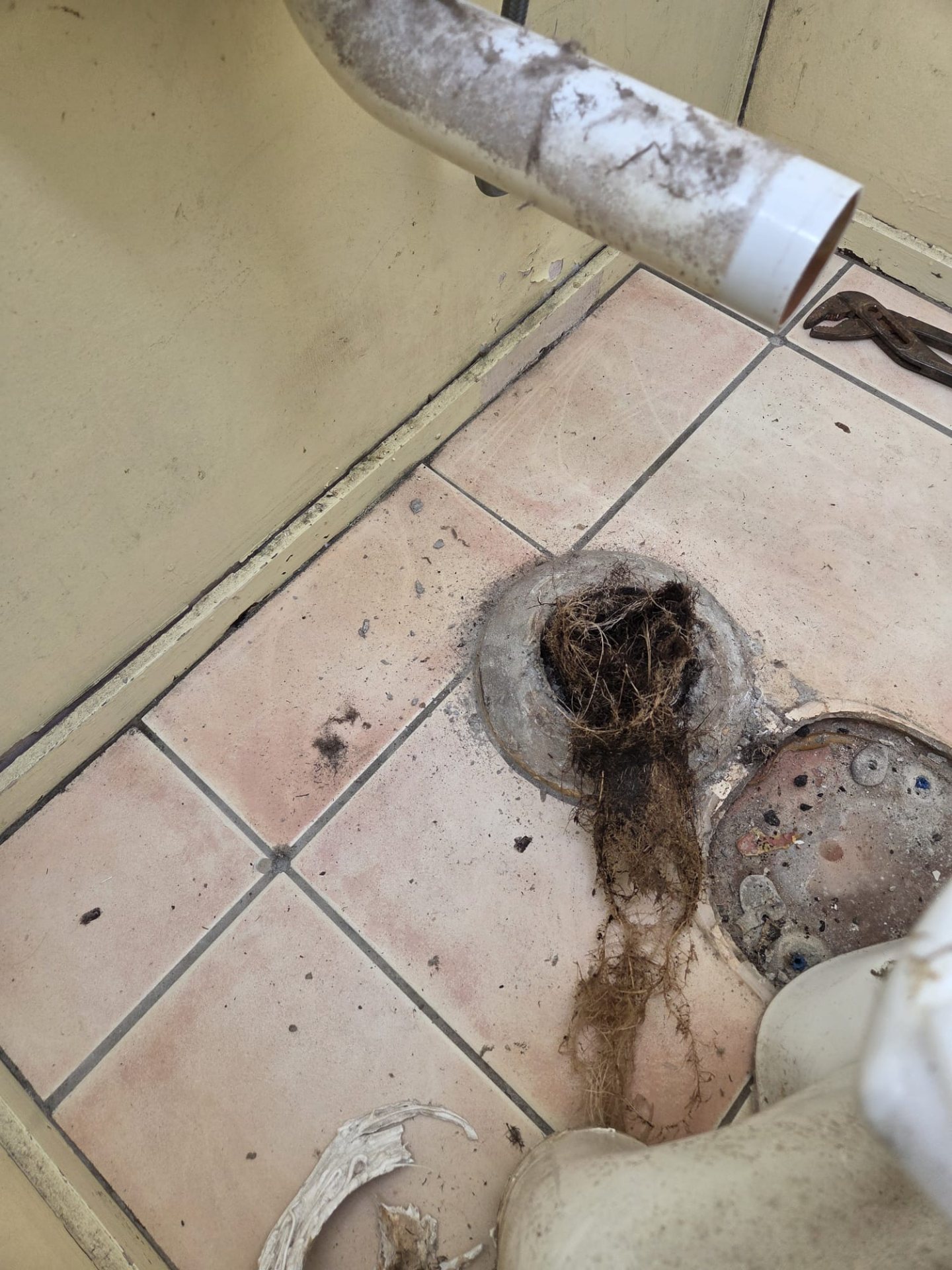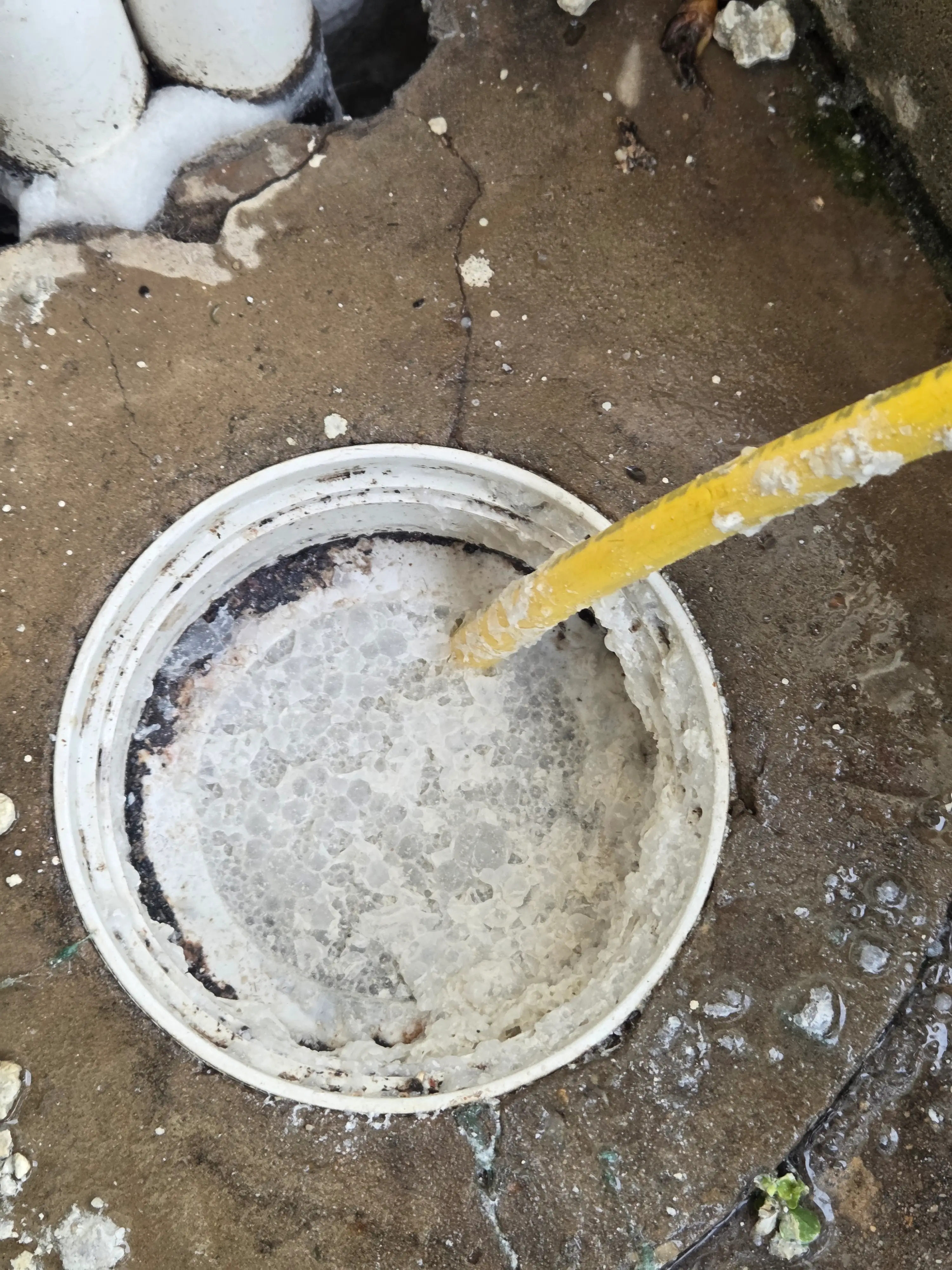
Not every drainage problem is a blockage or a break. Sometimes the pipe is intact but sits in the wrong shape — dipping down where it should slope steadily. These low points, known as sags or bellies, trap water and waste and cause recurring problems that are easy to misdiagnose. A CCTV inspection is the clearest way to identify them. This lesson explains what they are and what to do.
What is fall, and why it matters
Drains rely on gravity. To carry waste away reliably, a pipe needs a consistent downward slope called "fall". Enough fall keeps water moving fast enough to carry solids with it. Too little fall, a flat section, or a dip means water slows, solids settle, and blockages begin to form. Fall is the quiet hero of a well-functioning drain.
What is a sag or belly?
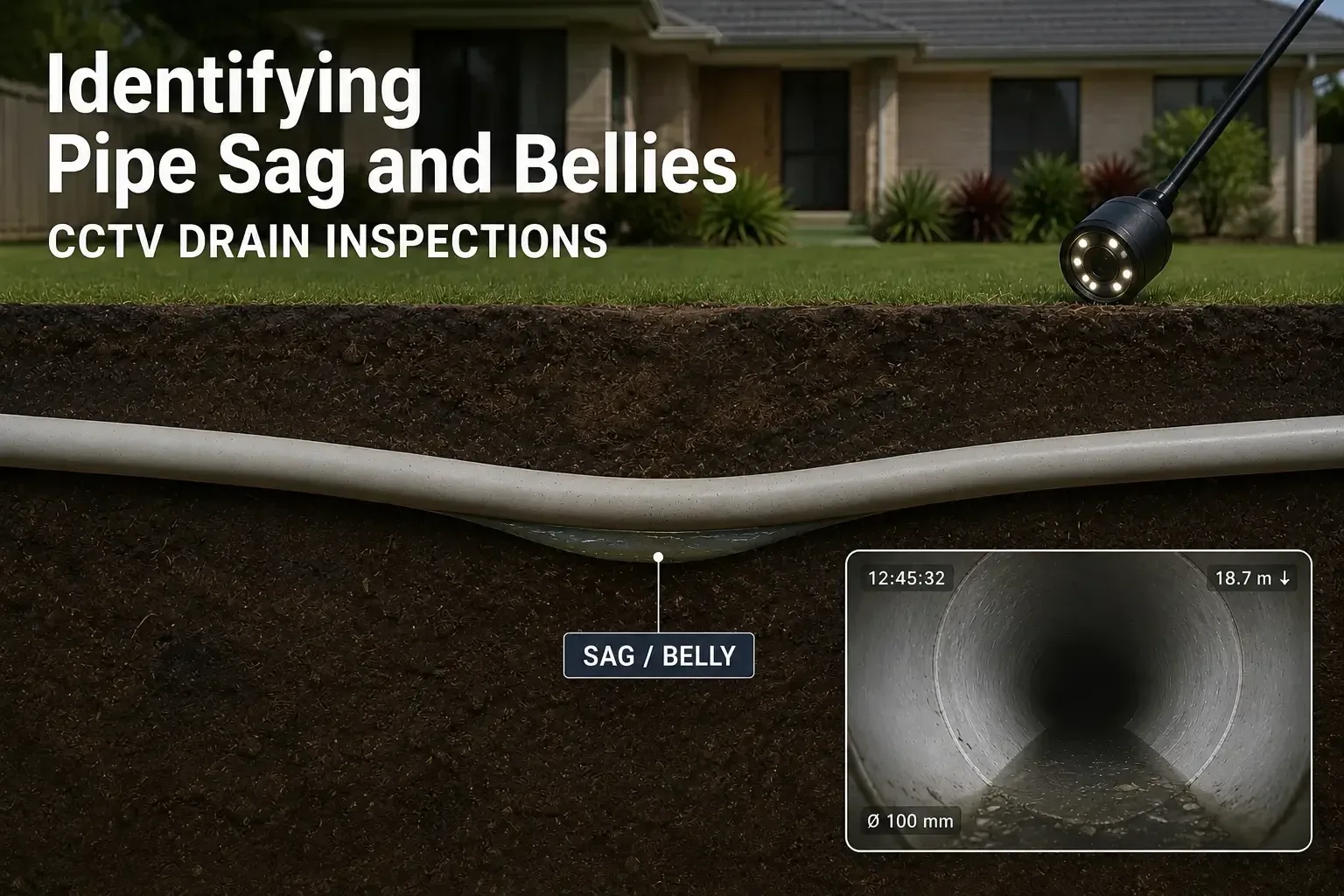
A sag or belly is a section where the pipe has dropped below its intended line, creating a low point. Instead of flowing straight through, water collects in the dip. Over time:
- Solids and sediment settle in the standing water
- The effective diameter of the pipe narrows as debris builds
- Blockages form repeatedly at the same spot
- Odours can develop from stagnant water and trapped waste
Because the pipe is not broken, clearing the blockage restores flow temporarily — but the belly remains, so the problem keeps coming back.
What causes bellies
Common causes include:
- Ground movement — Brisbane's reactive clay soils shift with wet and dry cycles, dragging pipes out of line.
- Poor bedding — a pipe laid on inadequate or uneven support can settle unevenly.
- Erosion — water washing away the soil beneath a pipe removes its support.
- Load from above — heavy weight over a shallow pipe can press a section downward.
How a camera reveals a belly
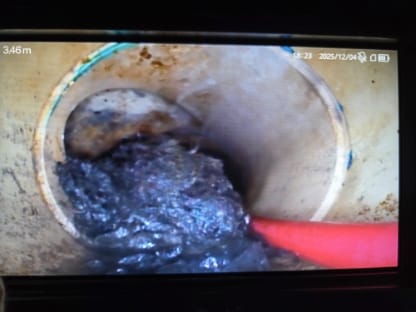
On camera, a belly usually shows itself as standing water where the pipe should be running clear. As the camera enters the dip, water rises up the lens; as it climbs out the far side, the water drains away. An experienced operator recognises this pattern immediately and, combined with the distance counter and a sonde, can mark exactly where the low point begins and ends.
If a drain keeps blocking in the same place no matter how often it is cleared, a hidden belly is a prime suspect.
What can be done
Because a belly is a shape problem rather than a simple blockage, the durable fix usually involves re-laying the affected section to restore proper fall. Options depend on the depth, location and extent of the sag, and on what the surrounding ground and pipe condition allow. A camera inspection provides the measurements needed to plan that work accurately. To understand how findings turn into a repair plan, see what to do after your CCTV inspection.
If a drain on your property keeps blocking in the same spot, a licensed plumber can inspect for a belly and advise on the fix — reach out via the contact page.