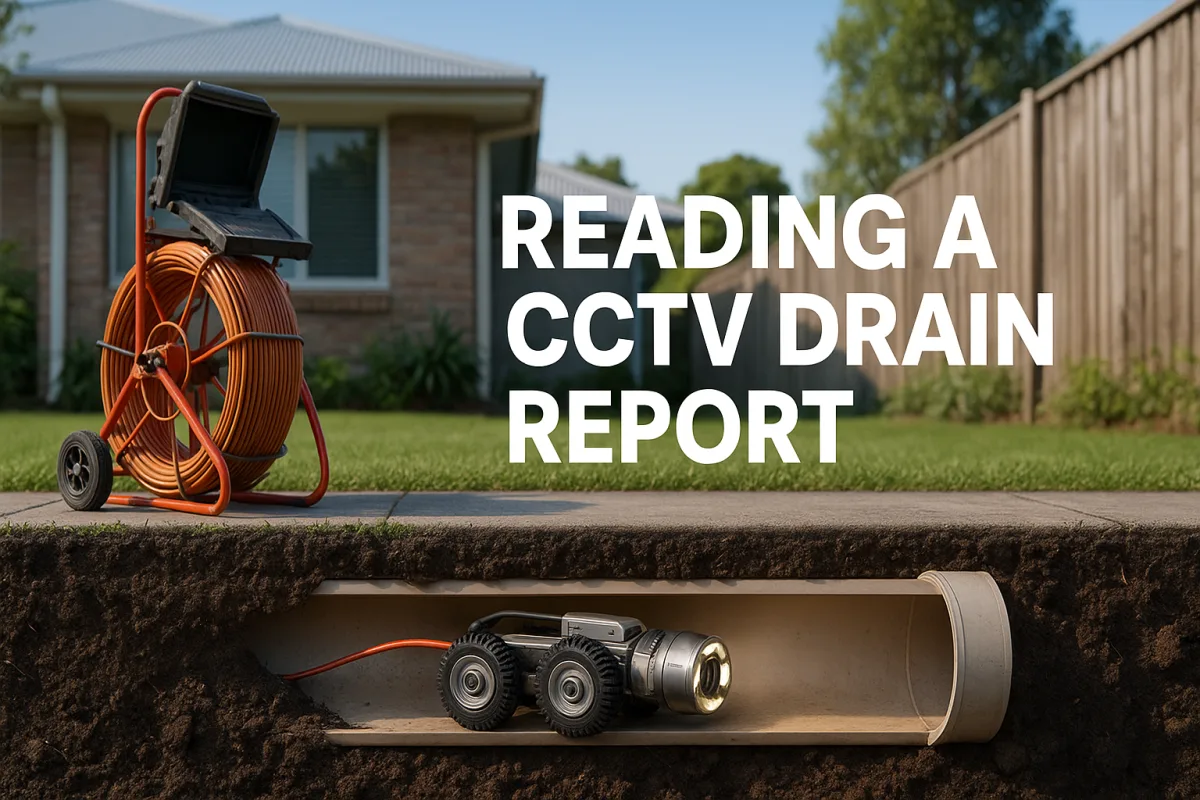
A CCTV inspection produces more than a live look at your pipes — it should leave you with a report you can keep, review and act on. But a report full of footage, distances and technical notes can be confusing at first. This lesson explains what to expect and how to read it with confidence.
What a good report contains
A thorough inspection report usually includes:
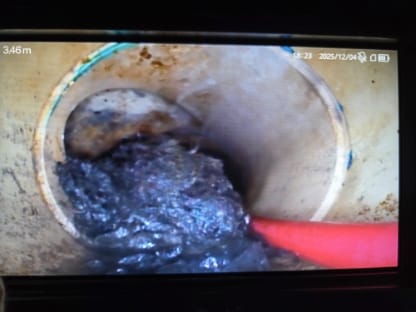
- Video footage of the pipe run, so you can see each issue in context.
- Still images captured at each point of interest.
- Distance measurements showing how far each finding is from a known reference point.
- A written summary describing the faults found and their severity.
- Location details if the pipe was traced with a sonde.
- Recommendations for repair or further action.
Making sense of distances
Findings are usually described by how far the camera travelled to reach them — for example, "displaced joint at 8.2 metres". The starting point matters: it might be an inspection opening, a boundary shaft or a specific fixture. Always check what the "zero" reference is so you know where along the pipe the measurement begins. Combined with a sonde location, this tells you exactly where a fault sits on the property.
Common terminology
You may come across terms such as:
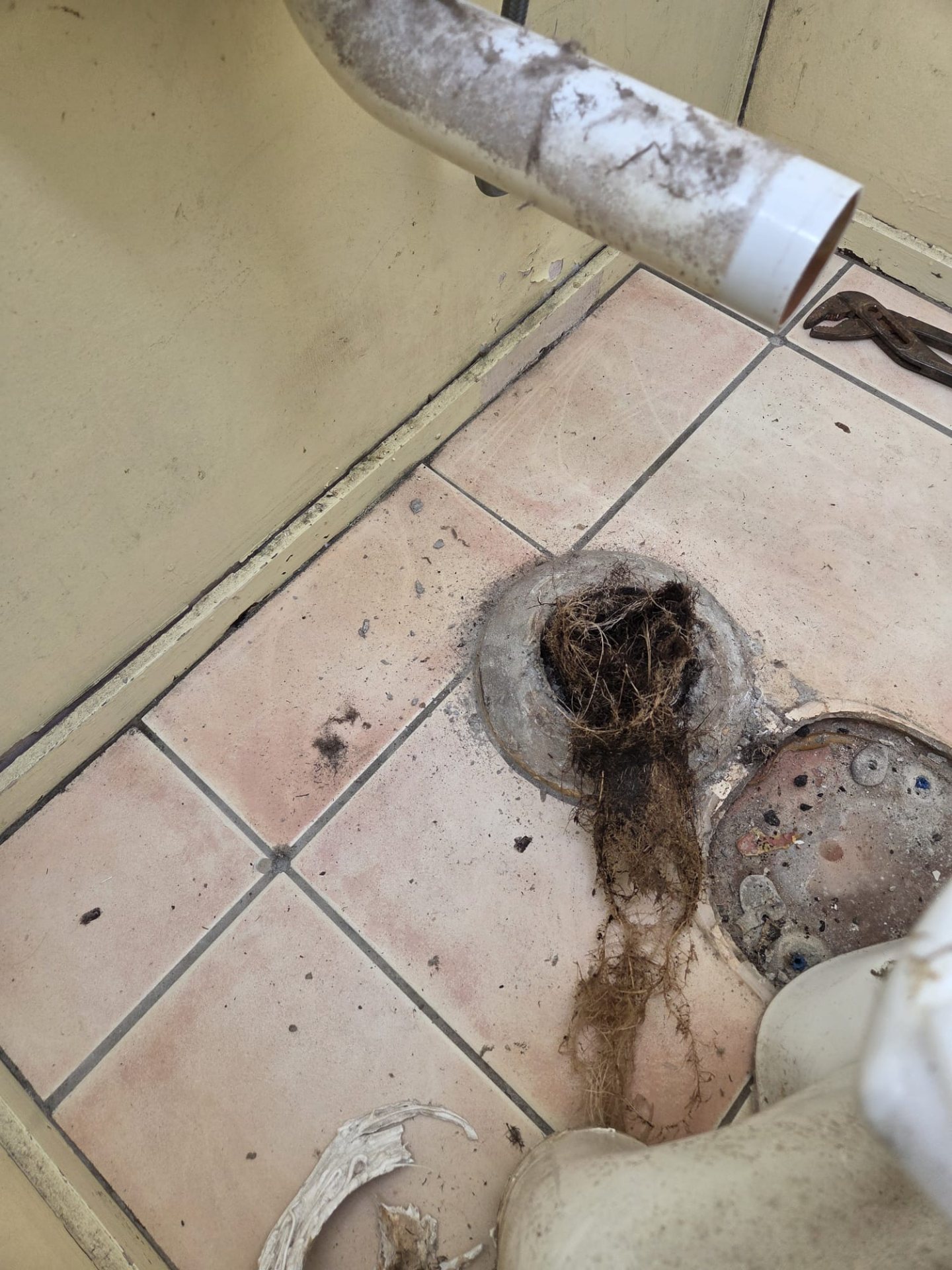
- Intrusion — something entering the pipe from outside, most often roots.
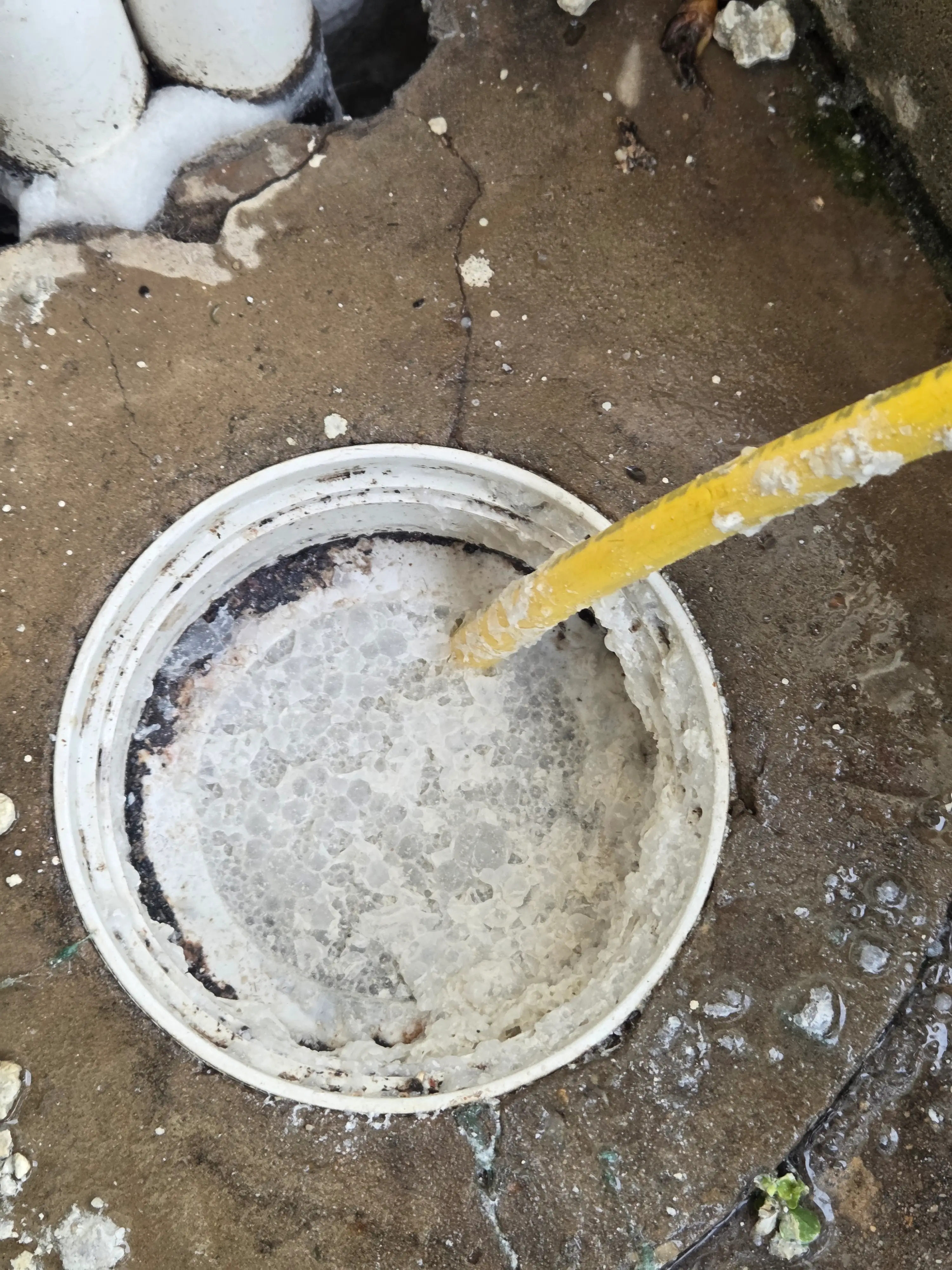
- Deposit or encrustation — material built up on the pipe wall, such as grease or scale.
- Deformation — the pipe has lost its original shape.
- Infiltration — groundwater entering through a defect.
- Fall — the downward slope of the pipe that drives flow.
Standardised coding systems are often used to describe defects consistently — this concept is explained in pipe defect coding basics.
Judging severity
Not every finding is an emergency. A good report distinguishes between issues that need urgent attention, those worth monitoring, and minor observations. Look for language that grades severity, and ask the operator to explain anything unclear. A hairline crack with no root intrusion may simply be watched over time, whereas an active root mass or a collapse usually needs prompt action.
A report is only useful if you understand it. Never hesitate to ask the person who inspected your drain to walk you through the footage.
Questions worth asking
- Where exactly is each fault, and how deep is the pipe there?
- Which findings are urgent, and which can wait?
- What are the repair options for each issue?
- Will I get a copy of the video and images to keep?
- Would a follow-up inspection be worthwhile after any repair?
Keeping your report
Store your footage and report somewhere safe. It is valuable evidence for insurance, for future comparison, and for any specialist who quotes on a repair. If you want help interpreting a report you have received, a licensed plumber can review it with you — get in touch via the contact page.