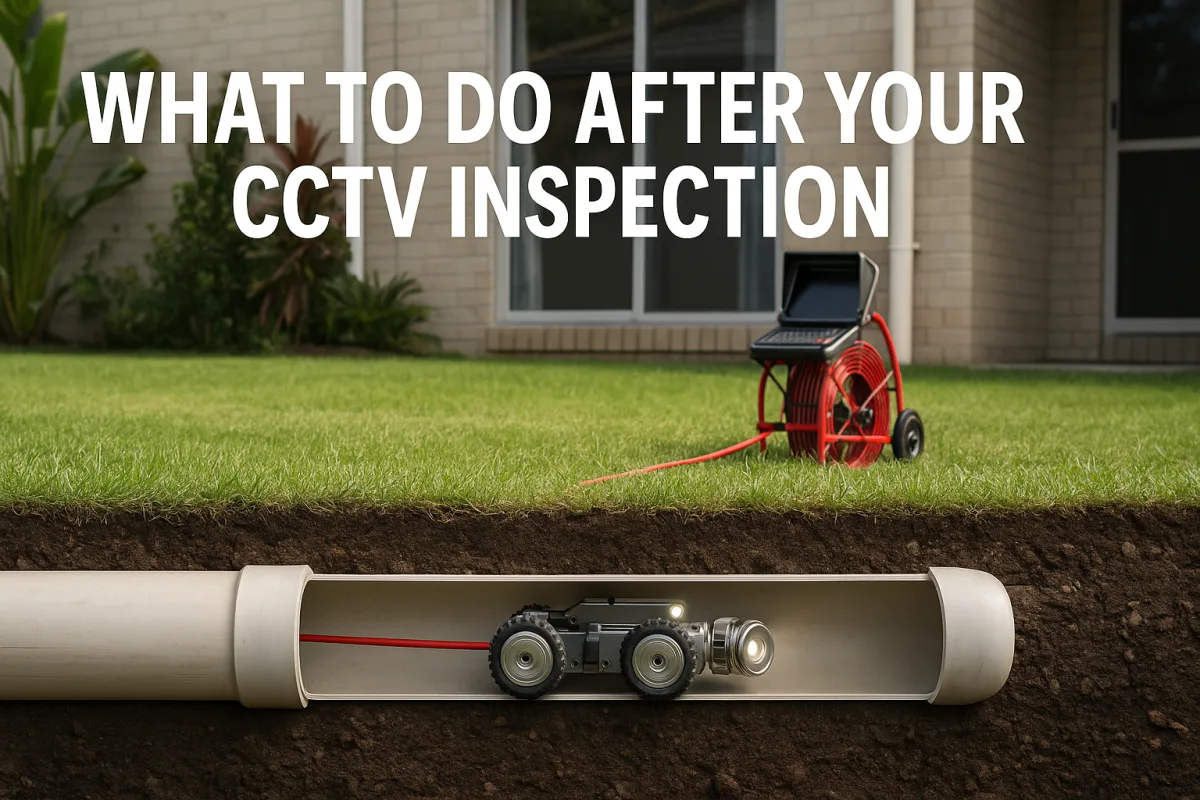
What to Do After Your CCTV Inspection
After a CCTV inspection, it is crucial to act on the findings. First, understand the report and prioritise issues by urgency: urgent problems, those needing prompt attent…
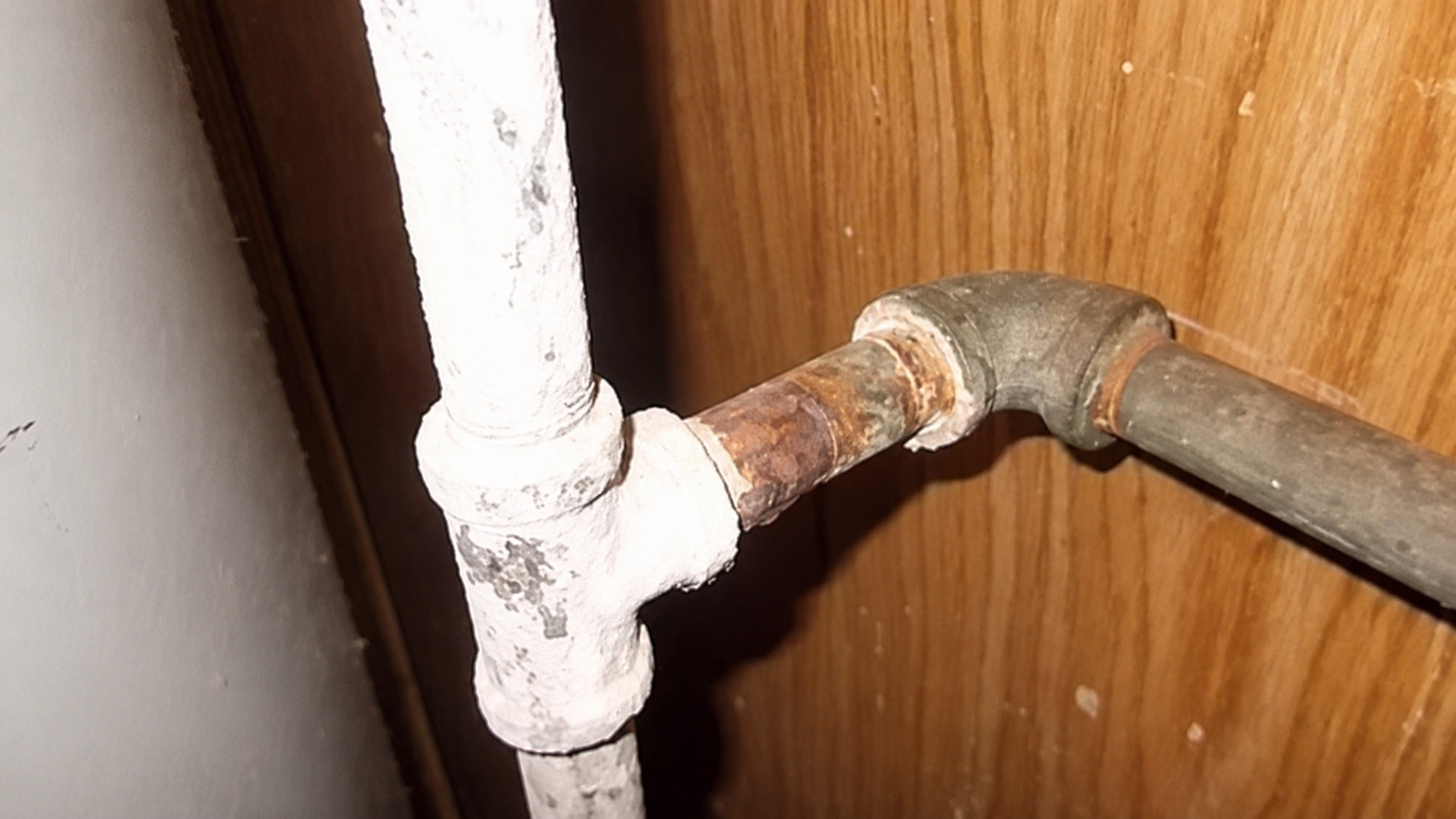
Galvanised steel was used for water supply and some waste lines in Brisbane’s pre-1960 timber homes. It rusts from the inside out, so restricted flow and rusty water are the tell-tale signs it is near the end.
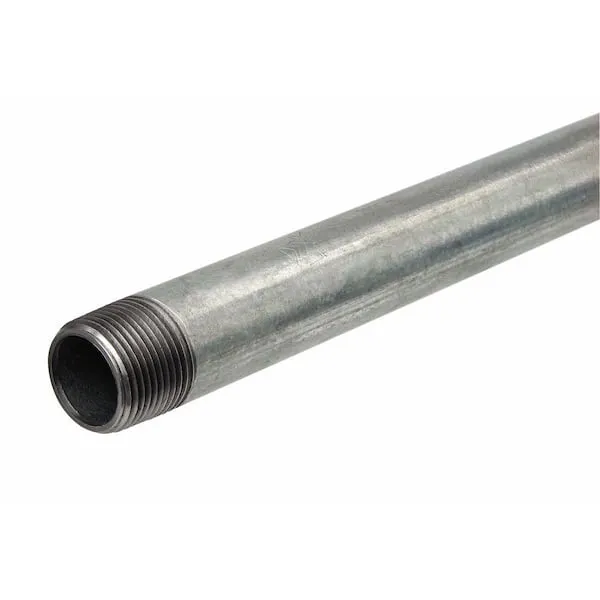
40–50 years; rusts internally
Rusty or discoloured water on an old property is often the pipe itself corroding, not the water supply.
Galvanised pipe is usually replaced rather than relined because the rust has already thinned the wall.
Limited. Relining installs a new pipe inside the old one without digging. Whether it suits your Galvanised Steel depends on the pipe’s diameter and condition — a CCTV inspection confirms it. Overall repairability: Poor (replace).
Learn about pipe reliningCommon in Brisbane's pre-1960 timber homes. Usually replaced rather than relined once flow is restricted.
Greenslopes, Coorparoo, Annerley and Woolloongabba and other pre-1960 timber-home suburbs.
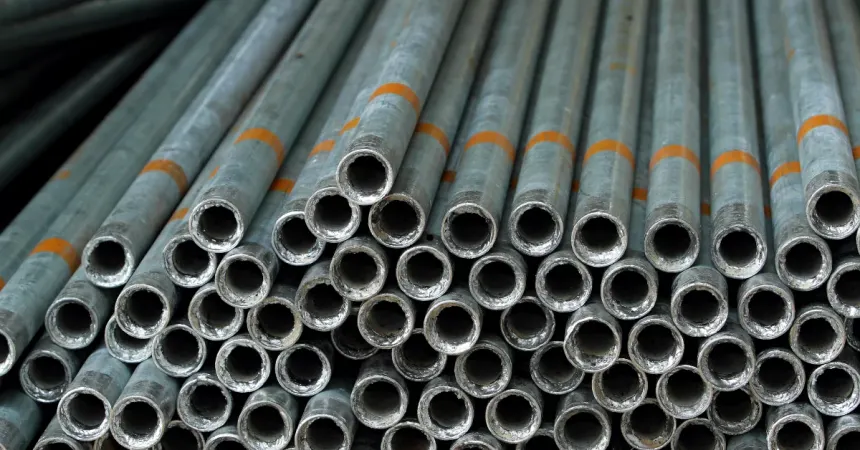
What we usually find on CCTV: Rusty, scaled internal walls with a heavily restricted bore, thread corrosion at fittings, and early pinhole leaks.
Galvanised steel pipes are steel pipes coated with a layer of zinc to help protect against corrosion. They were commonly used in older Australian homes for water supply and some stormwater drainage applications.
Galvanised steel pipes typically last between 40 and 70 years, depending on soil conditions, water quality, moisture exposure and maintenance.
Galvanised steel pipes are most often found in older Brisbane homes, particularly in water supply systems, external drainage and some older stormwater installations.
Common problems include internal rust, corrosion, reduced flow, leaks, pinhole failures, joint deterioration and blockages caused by rust scale build-up.
Yes. As the protective zinc coating deteriorates, the steel beneath can corrode internally, restricting water flow and increasing the likelihood of leaks and failures.
Localised repairs are possible in some situations, but ageing galvanised steel pipes are often replaced with modern materials such as copper, PEX or uPVC depending on the application.
CCTV drain inspections can assess galvanised drainage pipes, while water supply pipes are typically inspected using pressure testing, visual inspections and leak detection methods.
Pipe relining may be suitable for some galvanised drainage pipes if they remain structurally sound, although many deteriorated steel pipes are more effectively replaced.
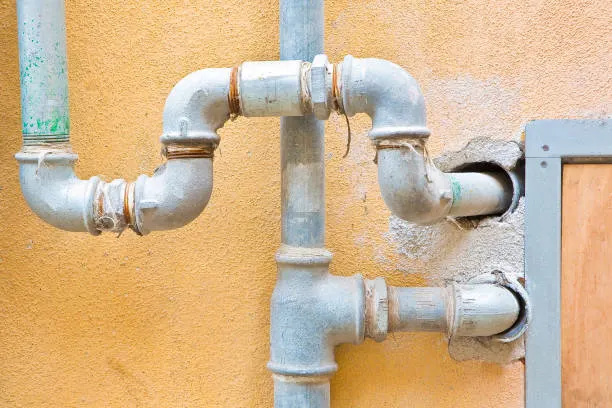
Homes built before the 1970s commonly contain galvanised steel pipework. Visible grey threaded pipes or a professional plumbing inspection can help identify the material.
If galvanised steel pipes show significant corrosion, frequent leaks, low water pressure or repeated failures, replacement with modern pipe materials is generally the most reliable long-term solution.
Real photos, CCTV stills and repair images that illustrate the guide above.
Three ways to confirm it — no obligation.
After a CCTV inspection, it is crucial to act on the findings. First, understand the report and prioritise issues by urgency: urgent problems, those needing prompt attent…

CCTV inspection costs vary based on several factors, including the scope of the job, access to drains, preparation needed, fault locating, reporting requirements, propert…
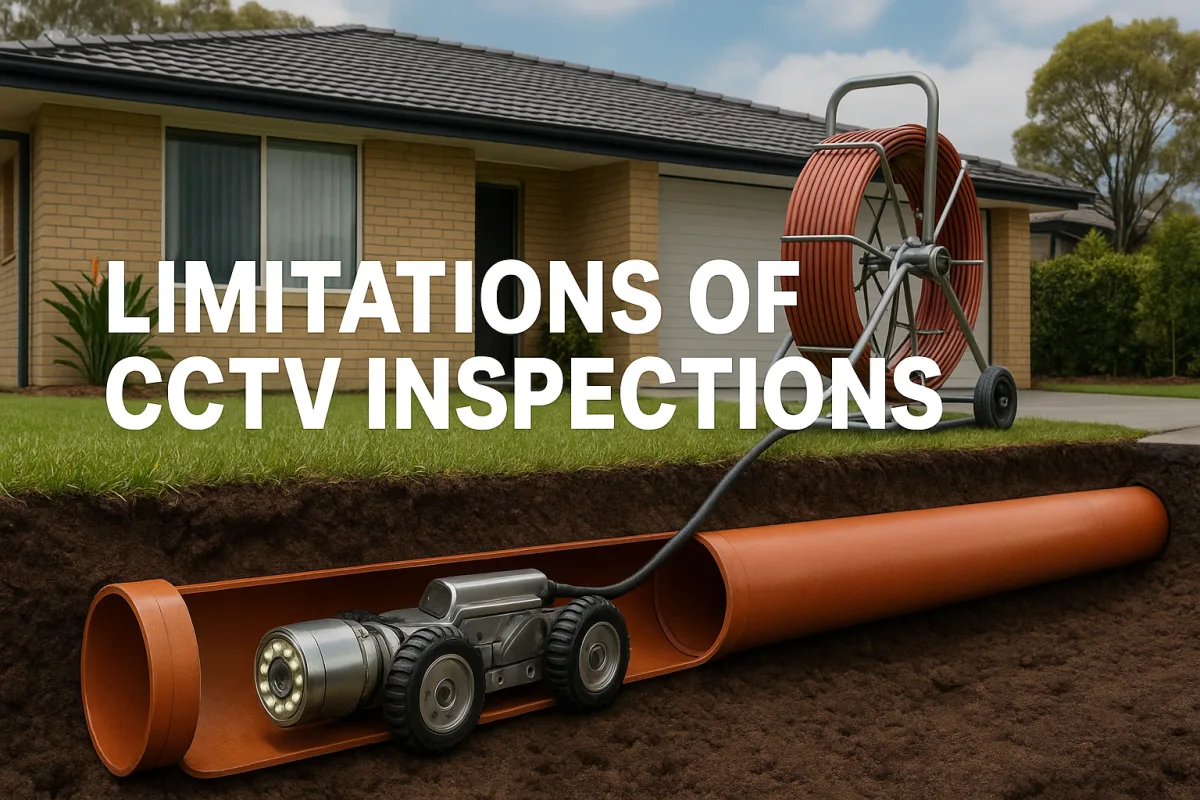
CCTV inspections are effective for diagnosing issues within pipes but have limitations. They cannot detect external leaks, view behind obstructions, or assess wall thickn…

CCTV inspections are essential for managing drainage in commercial and strata properties due to their complex networks, which include multiple units, larger pipes, and va…
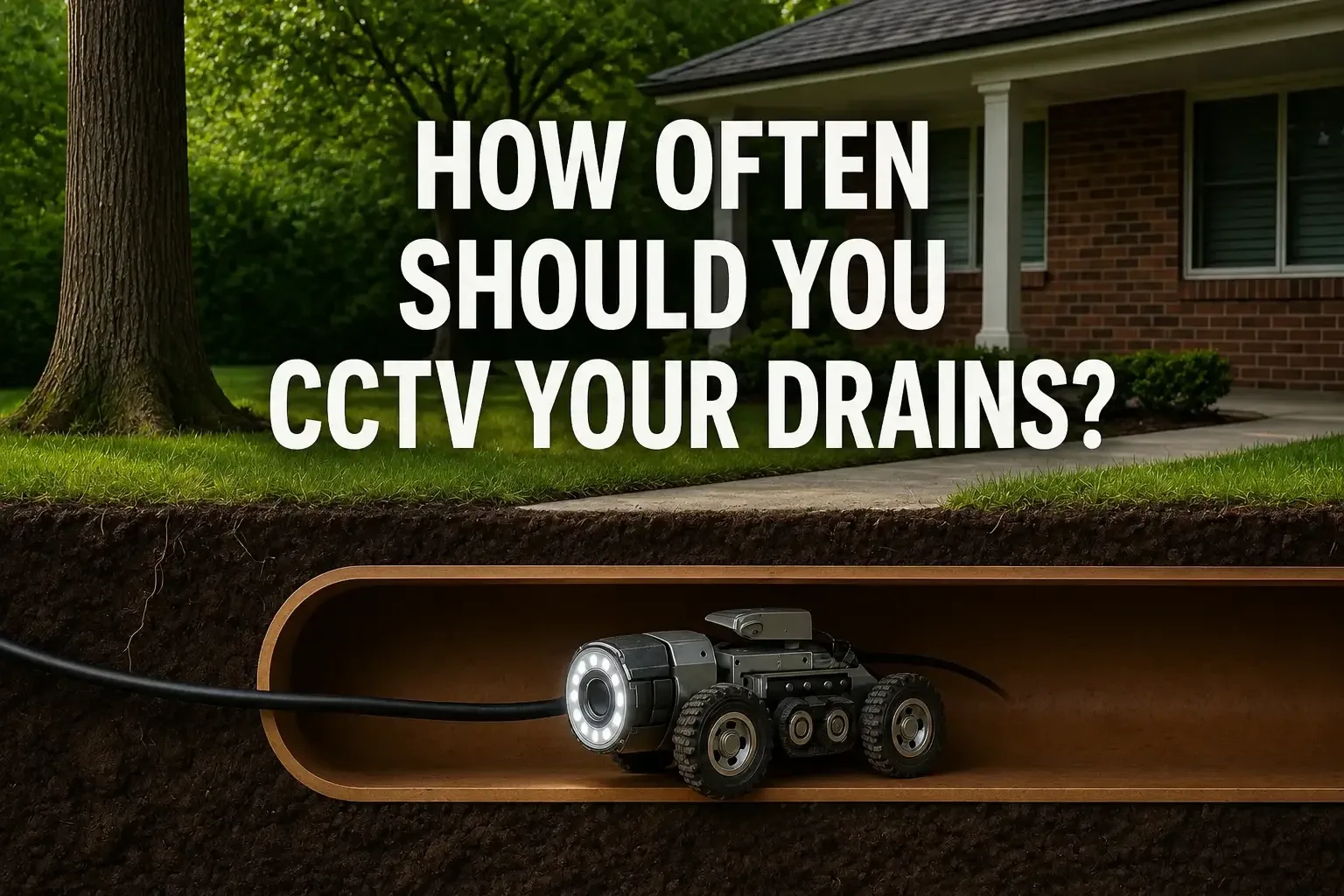
The frequency of CCTV inspections for drains varies based on specific risk factors rather than a fixed schedule. Properties with mature trees, older pipes, a history of b…
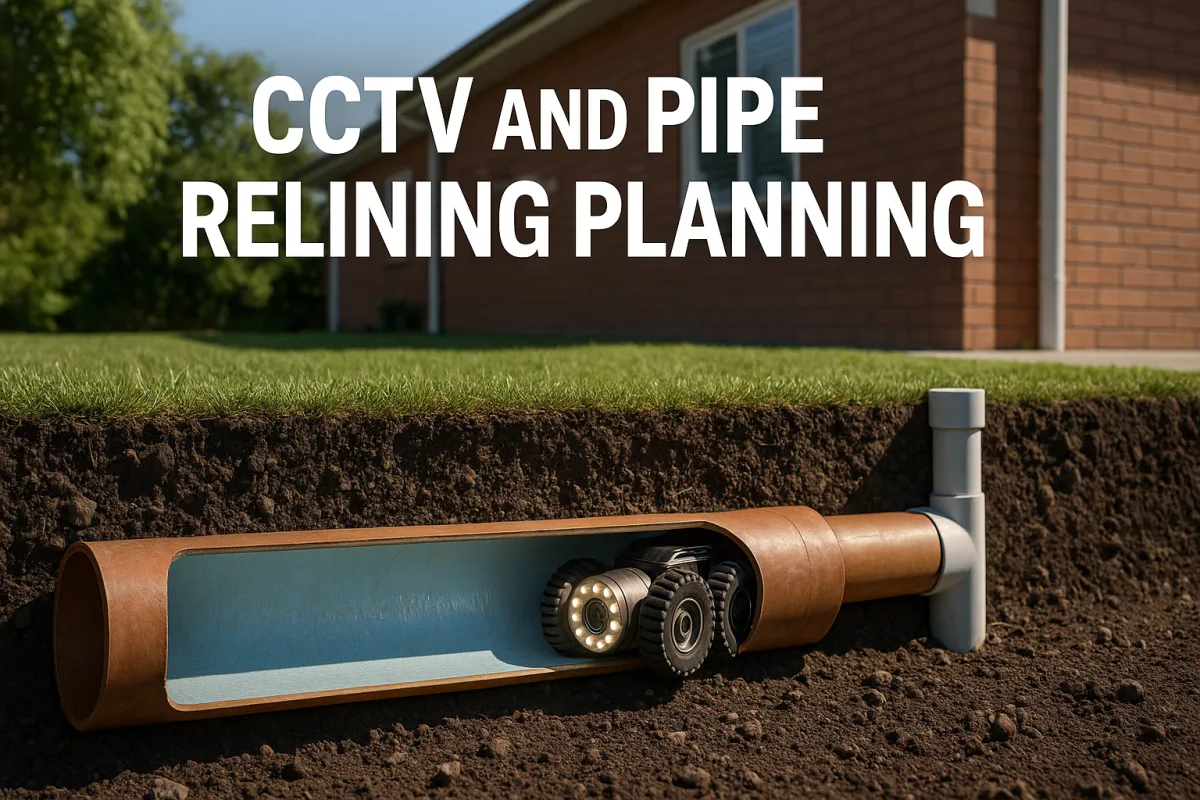
Pipe relining is a trenchless method for repairing damaged pipes from the inside, eliminating the need for excavation. Effective relining relies on thorough planning, whi…