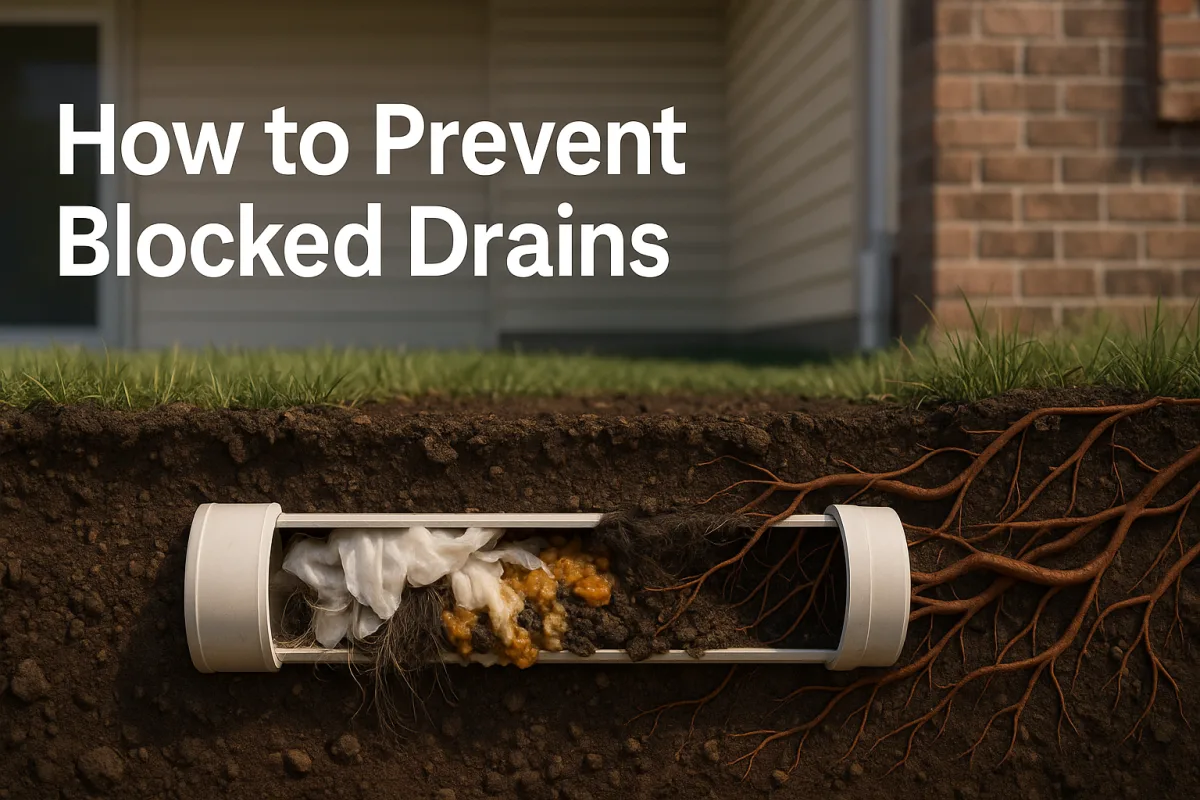
How to Prevent Blocked Drains
Most blocked drains result from everyday habits rather than bad luck. Common causes include fats, oils, grease, hair, soap, wipes, food scraps, and outdoor debris. To pre…
Reinforced concrete pipe carries the big loads — council sewer and stormwater mains, trunk drains and culverts. Its main enemy in Brisbane’s warm climate is hydrogen-sulphide gas eating the crown of the pipe.
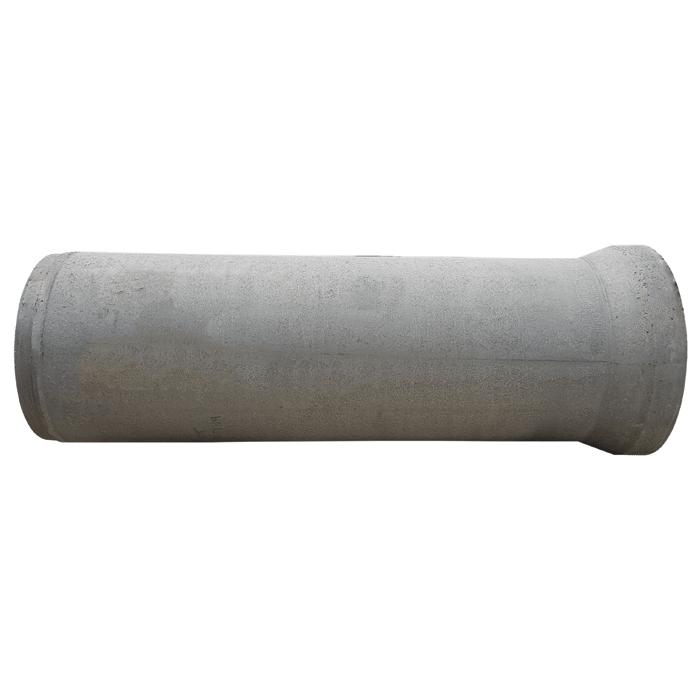
70–100 years; hydrogen-sulphide dependent
Brisbane's warm climate speeds up hydrogen-sulphide “crown rot,” which attacks the top of concrete sewers first, not the bottom.
A corroded concrete crown can be rebuilt in place with spray-on lining instead of replacing the whole pipe.
Sometimes. Relining installs a new pipe inside the old one without digging. Whether it suits your Concrete (RCP) depends on the pipe’s diameter and condition — a CCTV inspection confirms it. Overall repairability: Moderate.
Learn about pipe reliningBrisbane's warm climate drives hydrogen-sulphide "crown rot" in concrete sewers. Mostly council-owned trunk infrastructure.
Used across Greater Brisbane wherever council trunk mains, culverts and large stormwater runs are laid.
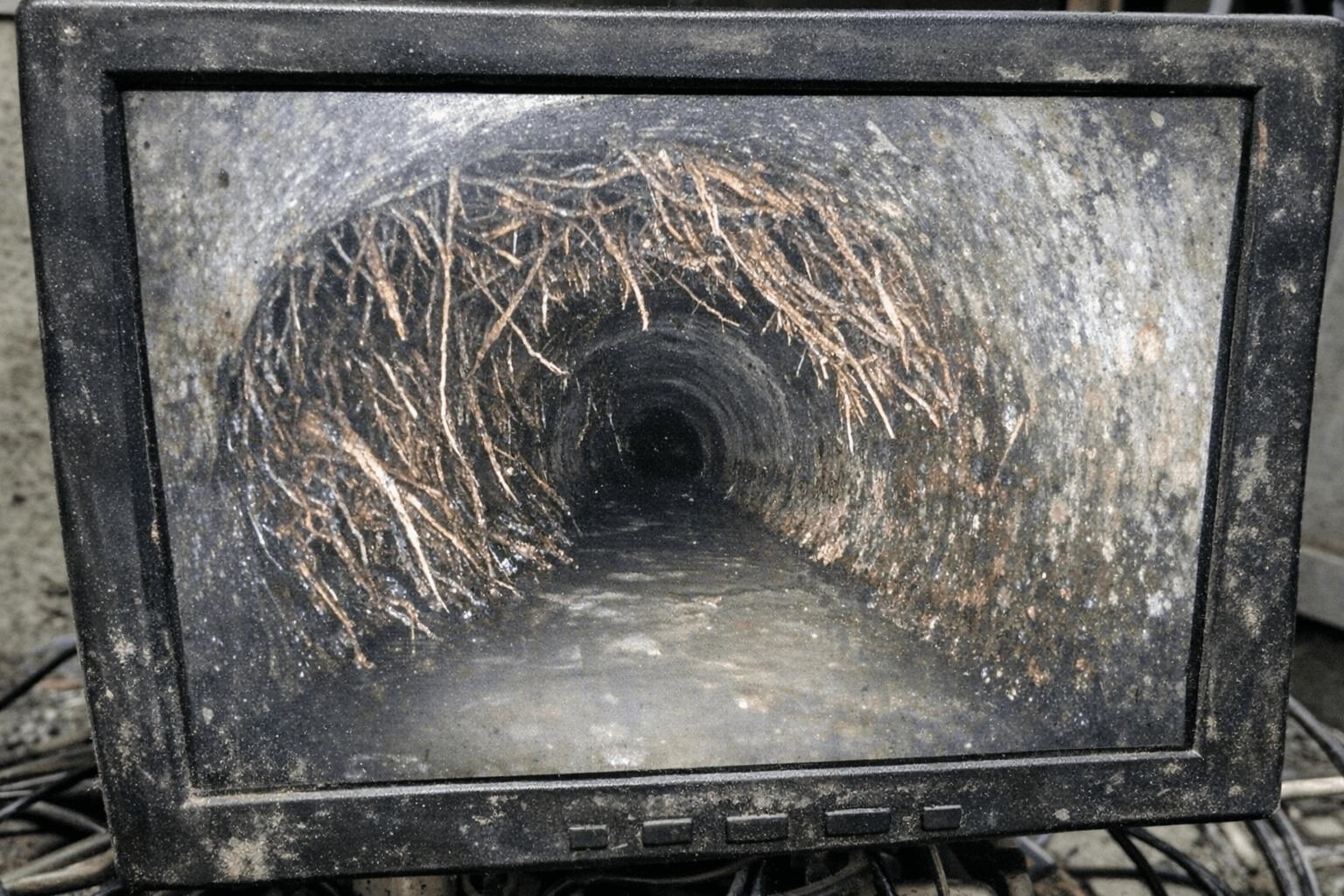
What we usually find on CCTV: Crown corrosion (rough, eaten-away pipe top from sewer gas), displaced joints letting in groundwater and fine roots, and spalling concrete.
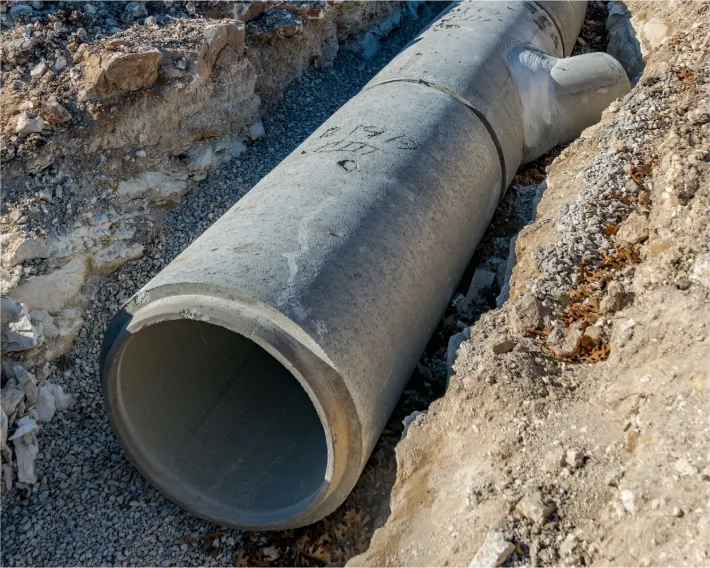
Reinforced concrete pipes (RCP) are heavy-duty drainage pipes commonly used for stormwater systems, council infrastructure, commercial developments and large residential drainage projects throughout Brisbane.
Reinforced concrete pipes typically have a service life of 75 to more than 100 years when correctly installed and maintained, although environmental conditions can affect their longevity.
Concrete pipes are most commonly used for stormwater drainage, road culverts, council infrastructure, large residential developments, commercial sites and industrial drainage systems.
Common issues include cracking, joint displacement, ground movement, root intrusion at joints, concrete deterioration and structural damage caused by heavy loads or poor bedding.
Yes. While reinforced concrete is very strong, tree roots can enter through damaged joints or cracks and eventually cause blockages or structural movement.
Many concrete pipes can be repaired using trenchless pipe relining, localised excavation or section replacement depending on the extent of the damage. A CCTV inspection is recommended before selecting the most appropriate repair method.
CCTV drain camera inspections are used to identify cracks, joint movement, root intrusion, structural defects and blockages without unnecessary excavation.
Yes. Many reinforced concrete pipes are suitable candidates for trenchless pipe relining, provided the pipe retains sufficient structural integrity.
Larger residential properties, unit complexes, commercial buildings and older stormwater systems may contain reinforced concrete pipes. A CCTV inspection or pipe locating service can confirm the pipe material.
Replacement is recommended where concrete pipes have suffered severe structural damage, collapse or extensive deterioration that cannot be economically repaired or relined.
Real photos, CCTV stills and repair images that illustrate the guide above.
Three ways to confirm it — no obligation.
Most blocked drains result from everyday habits rather than bad luck. Common causes include fats, oils, grease, hair, soap, wipes, food scraps, and outdoor debris. To pre…
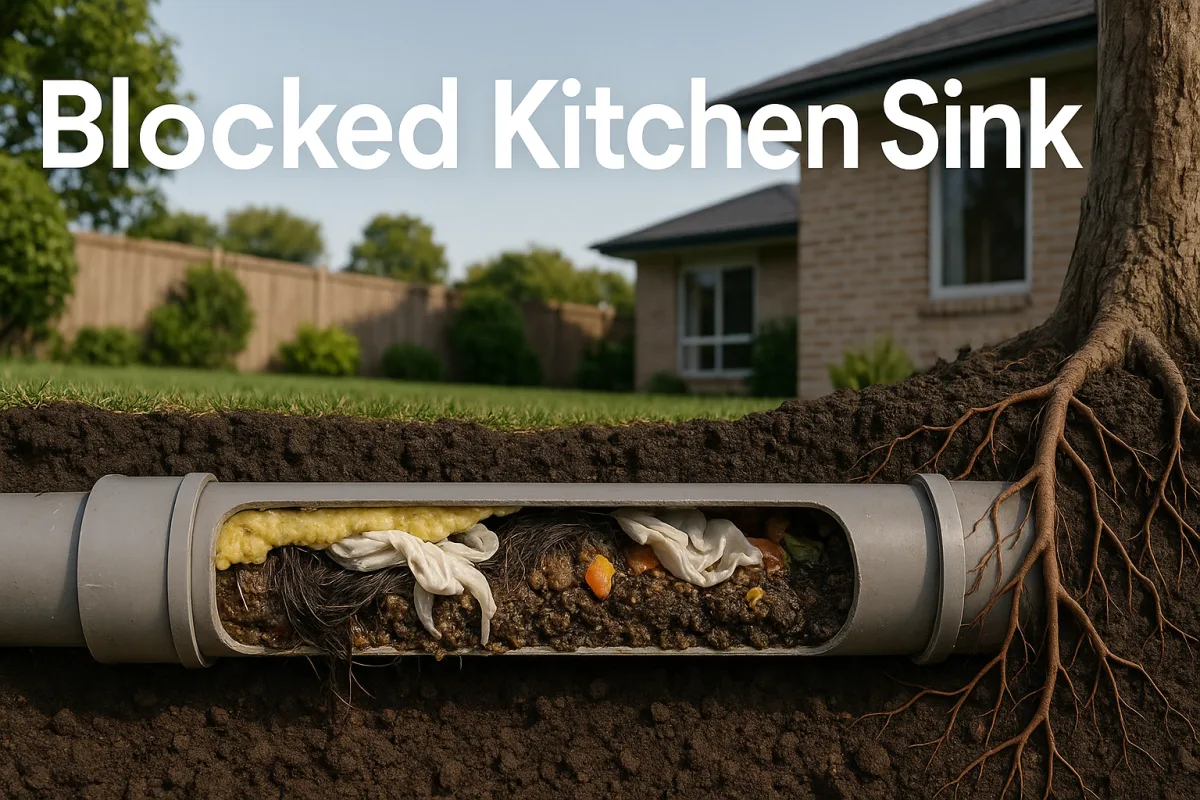
Blocked kitchen sinks are often caused by fats, oils, grease, food scraps, and starchy waste that accumulate in the U-bend under the sink. To clear a blockage, remove sta…
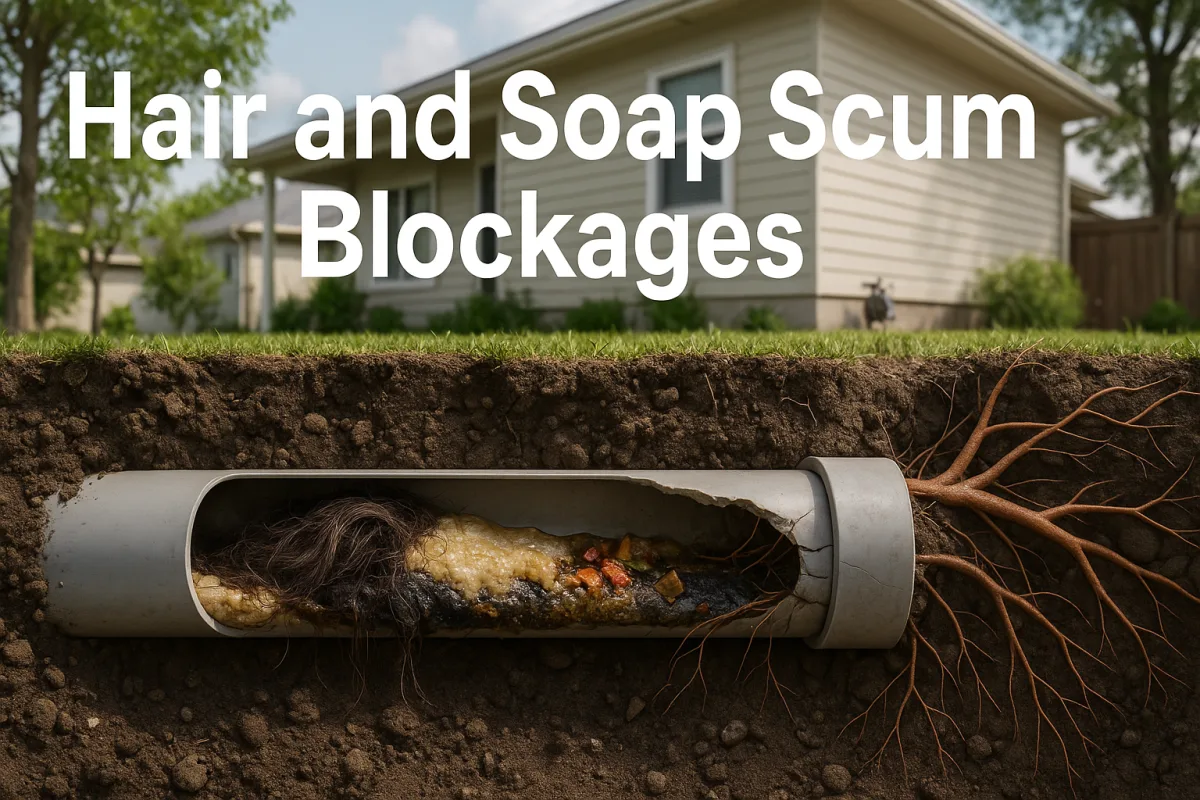
Hair and soap scum are common causes of bathroom blockages, forming a dense mat that obstructs drains. Hair tangles and does not break down, while soap scum, created by t…
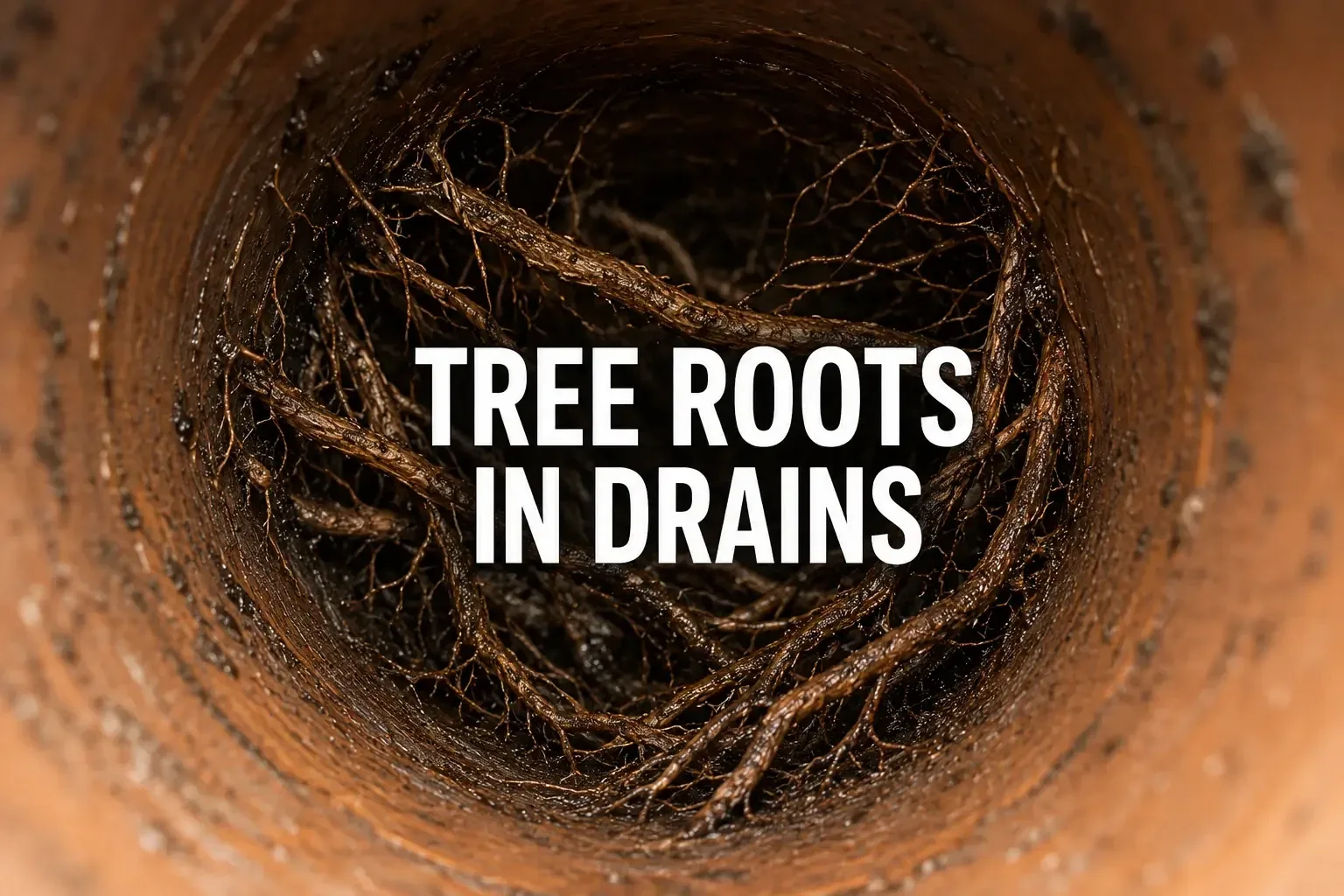
Tree roots are a major cause of blocked drains in Brisbane, particularly in older suburbs with mature trees and clay soils. Roots are attracted to moisture and nutrients…
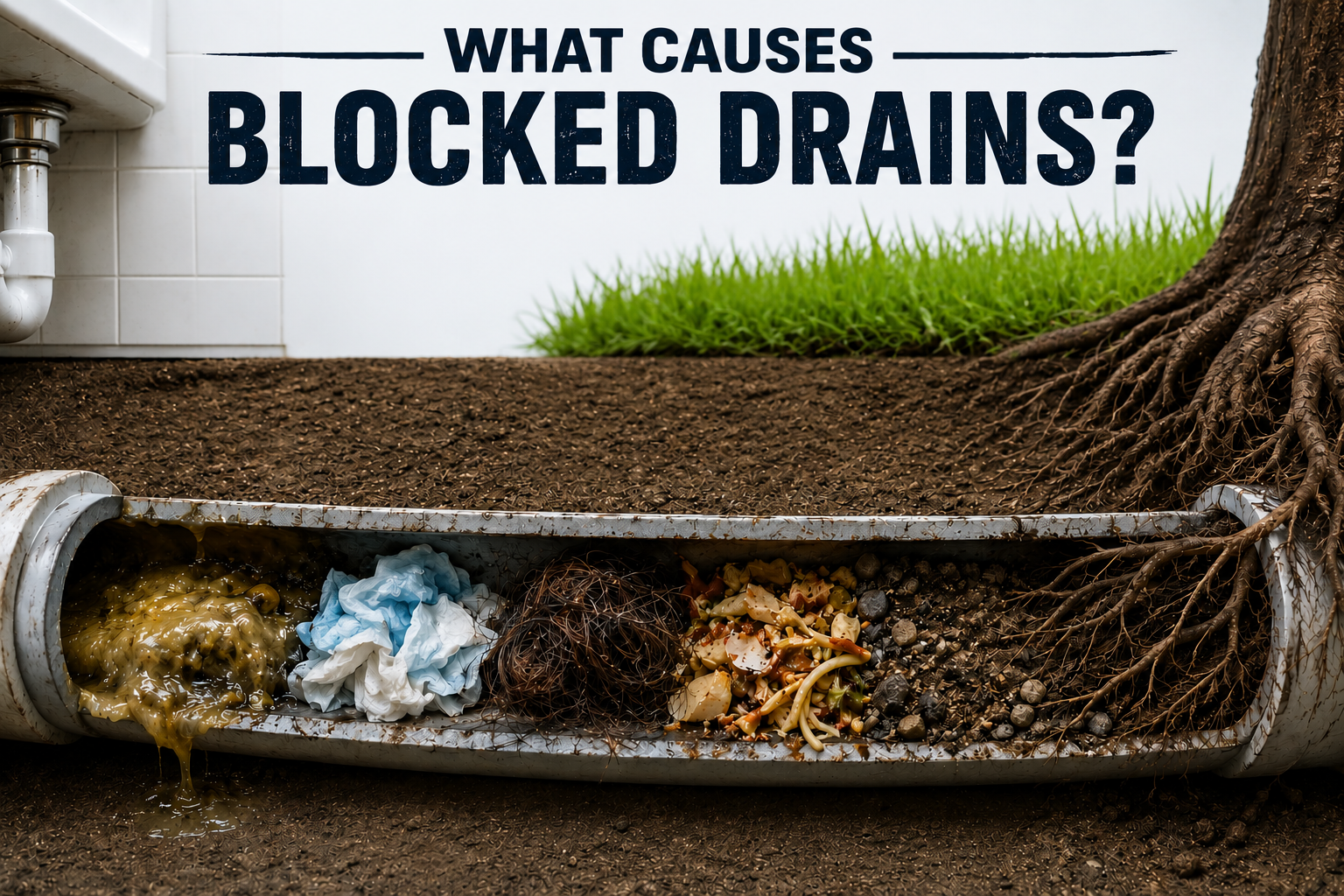
Blocked drains typically result from a gradual build-up over time, with common causes including fats, oils, grease, hair, soap scum, food scraps, foreign objects, and min…
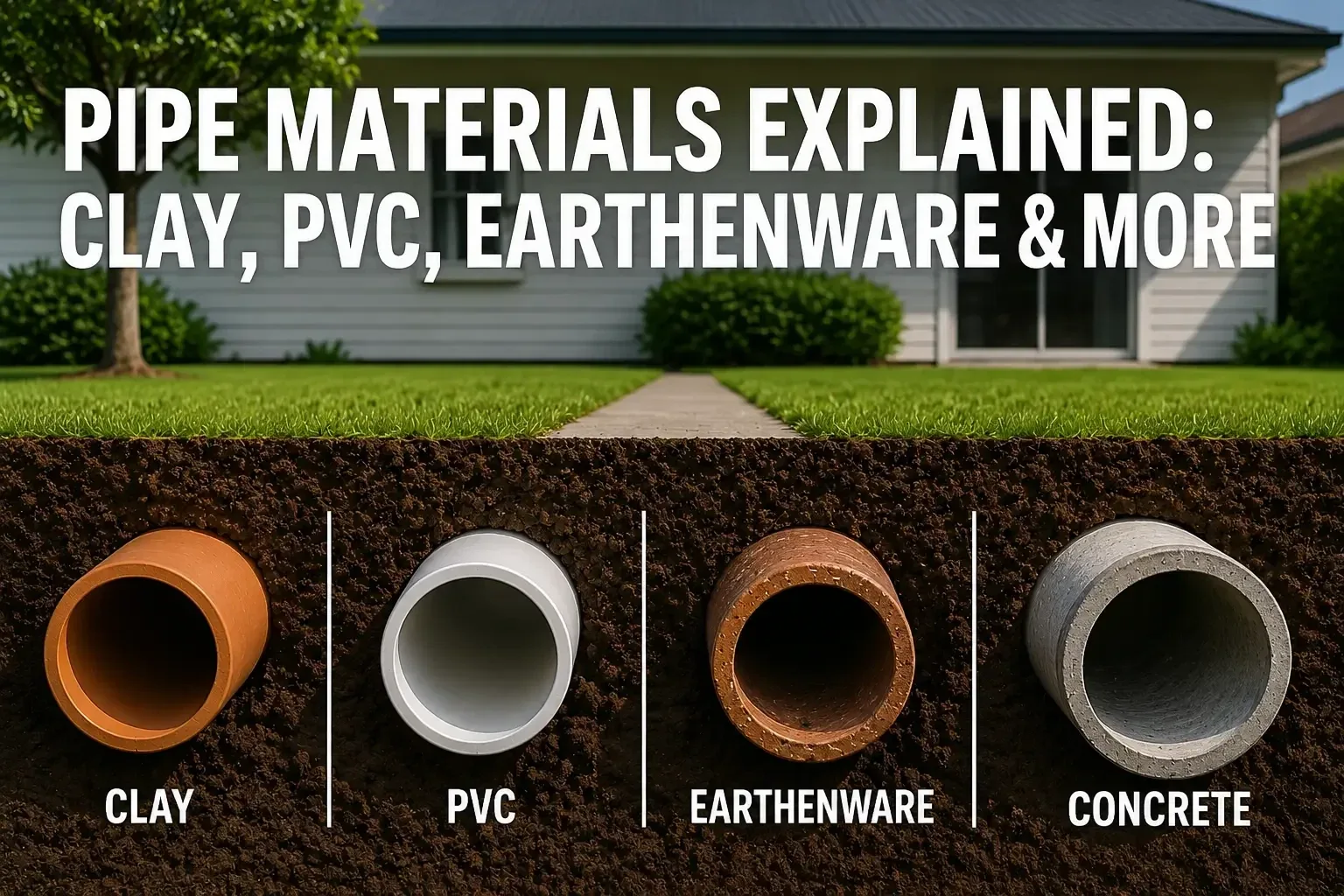
The material of drainage pipes significantly influences their durability, failure modes, and susceptibility to issues like root intrusion. Common materials include vitrif…