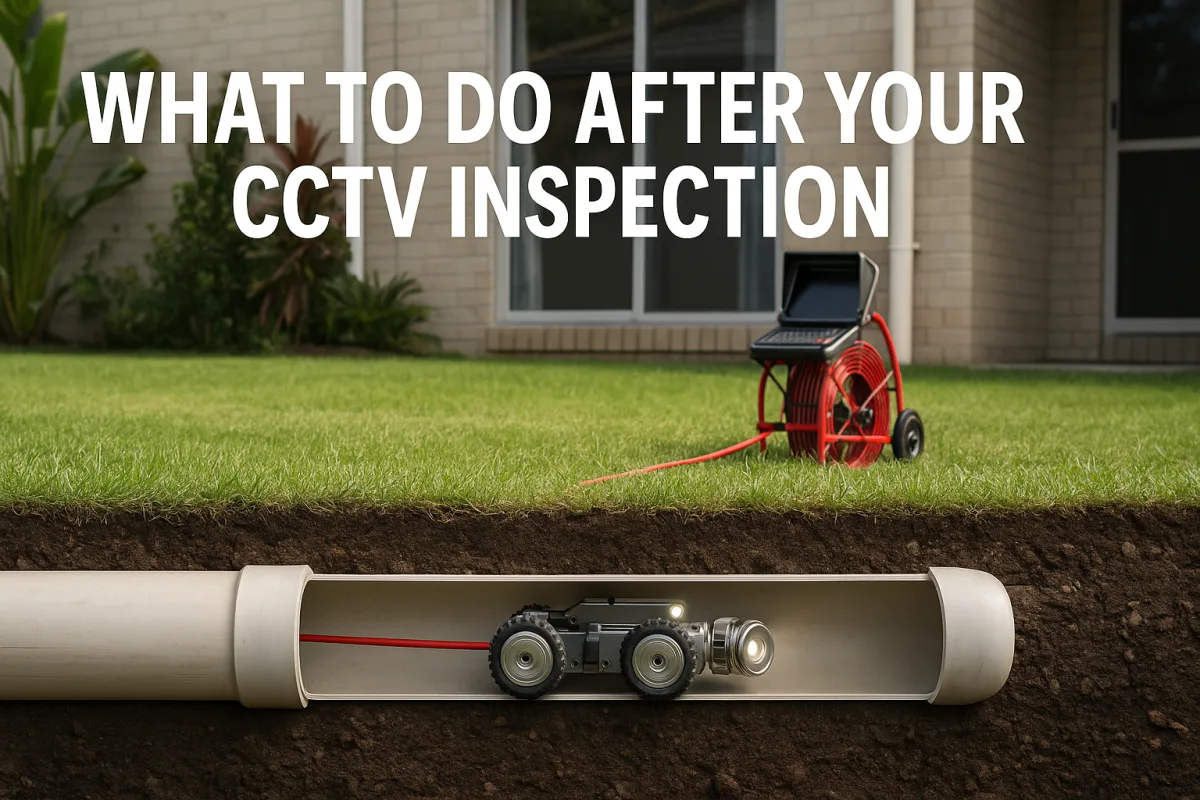
What to Do After Your CCTV Inspection
After a CCTV inspection, it is crucial to act on the findings. First, understand the report and prioritise issues by urgency: urgent problems, those needing prompt attent…
HDPE (poly) is the modern trenchless favourite. It is flexible, fully corrosion-proof and welded into continuous joint-free runs, which makes it ideal for Brisbane’s reactive clay soils.
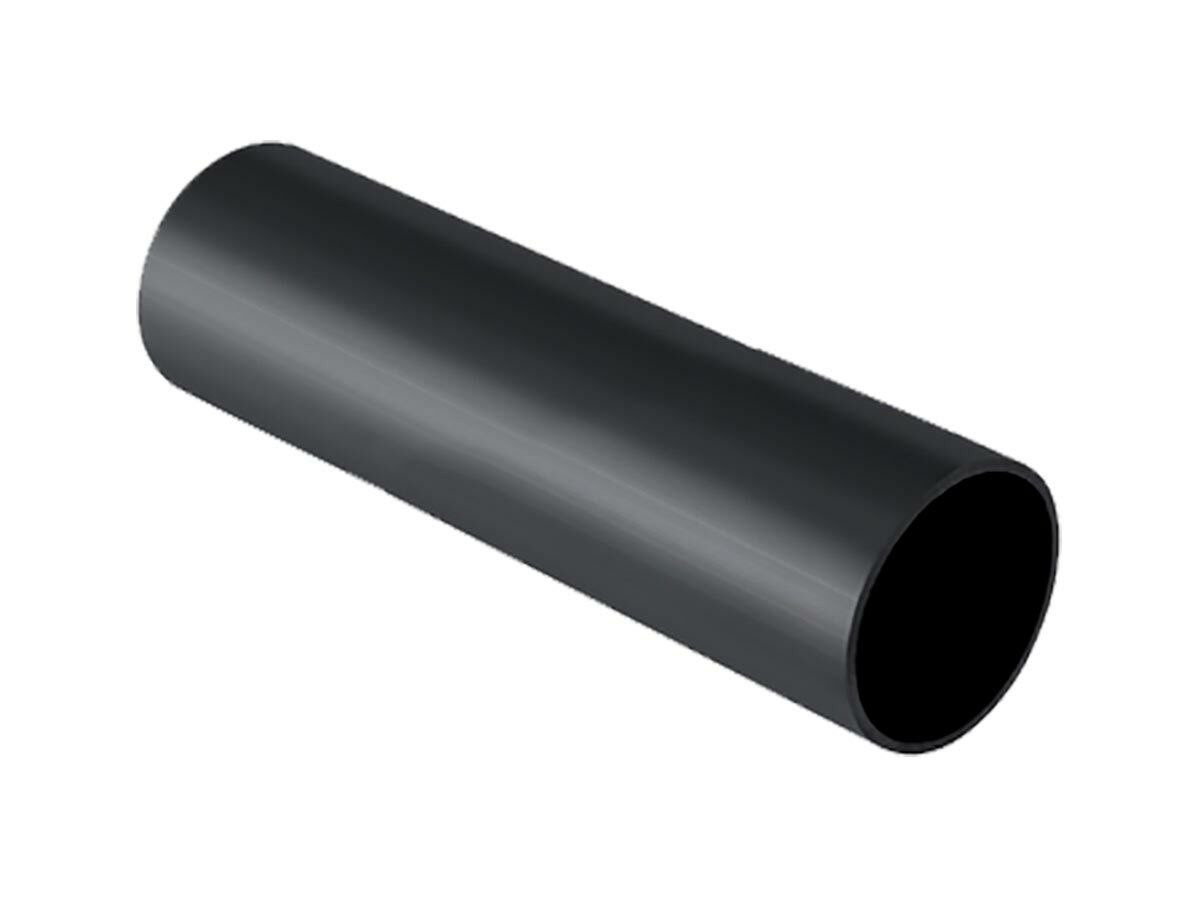
50–100 years; flexible and corrosion-proof
HDPE is welded into one continuous pipe with no joints, removing the number-one failure point of older drainage.
Poly pipe can flex with Brisbane's shrink-swell clay soils that crack rigid clay and early PVC.
Rarely needed. Relining installs a new pipe inside the old one without digging. Whether it suits your HDPE / Poly depends on the pipe’s diameter and condition — a CCTV inspection confirms it. Overall repairability: Excellent.
Learn about pipe reliningIncreasingly used across Brisbane for trenchless replacement because it tolerates reactive-clay ground movement far better than clay or early PVC.
Increasingly used for trenchless replacements right across Brisbane, especially on reactive-clay blocks.
What we usually find on CCTV: Typically clean and continuous with no joints to fail; any issues are at welds or points where the pipe has been deformed by a heavy load.
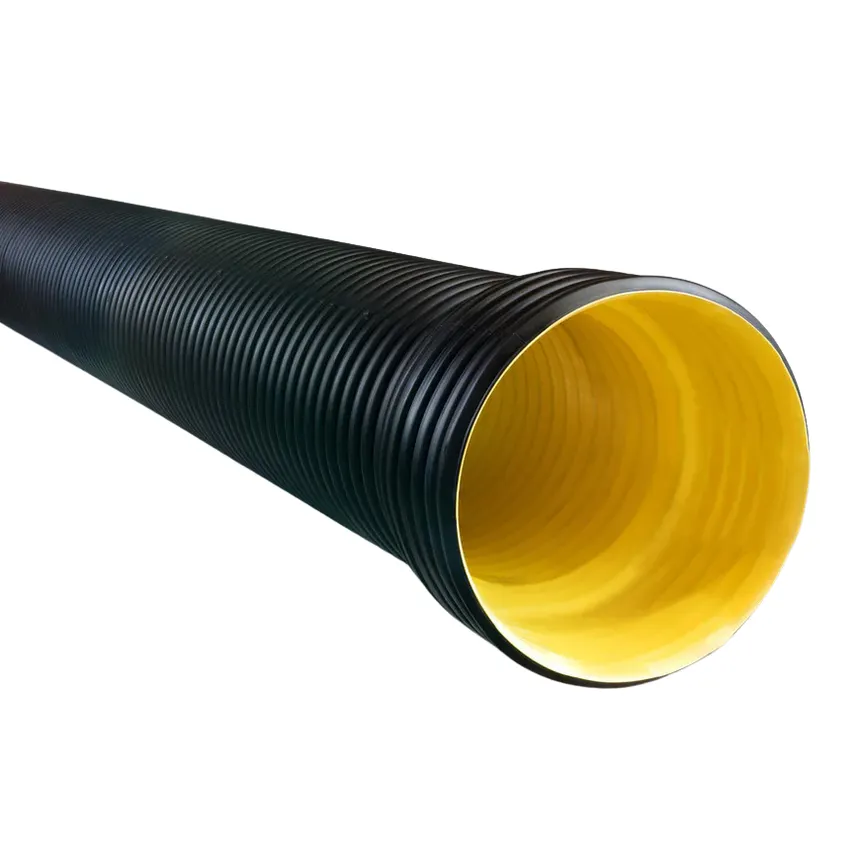
HDPE (High-Density Polyethylene) is a durable plastic pipe widely used for sewer, stormwater, civil infrastructure and commercial drainage systems. It is known for its flexibility, strength and corrosion resistance.
Correctly installed HDPE drain pipes typically have a service life of 100 years or more under normal operating conditions.
HDPE pipes are commonly used in new residential developments, commercial projects, industrial sites, civil infrastructure, stormwater systems and sewer networks throughout Brisbane.
HDPE pipes are lightweight, highly flexible, resistant to corrosion and chemicals, and can be joined using heat fusion to create leak-resistant joints.
Although very durable, HDPE pipes can be damaged by poor installation, excessive ground movement, heavy impacts, incorrect fusion welding or third-party excavation damage.
Properly fusion-welded HDPE pipes have very few joints, making them highly resistant to tree root intrusion compared with older drainage materials.
Yes. HDPE pipes can often be repaired by replacing damaged sections or using specialised electrofusion or butt-fusion welding techniques, depending on the application and extent of the damage.
CCTV drain camera inspections allow plumbers to assess the internal condition of HDPE pipes, identify blockages, deformation, cracks and other defects without excavation.
Because HDPE is already a modern, corrosion-resistant pipe material, damaged sections are often replaced or fusion repaired rather than relined, although each situation should be assessed individually.
HDPE drainage pipes are commonly found in newer residential estates, commercial developments and civil infrastructure projects. A CCTV inspection or pipe locating service can confirm the pipe material and condition.
Real photos, CCTV stills and repair images that illustrate the guide above.
Three ways to confirm it — no obligation.
After a CCTV inspection, it is crucial to act on the findings. First, understand the report and prioritise issues by urgency: urgent problems, those needing prompt attent…

CCTV inspection costs vary based on several factors, including the scope of the job, access to drains, preparation needed, fault locating, reporting requirements, propert…
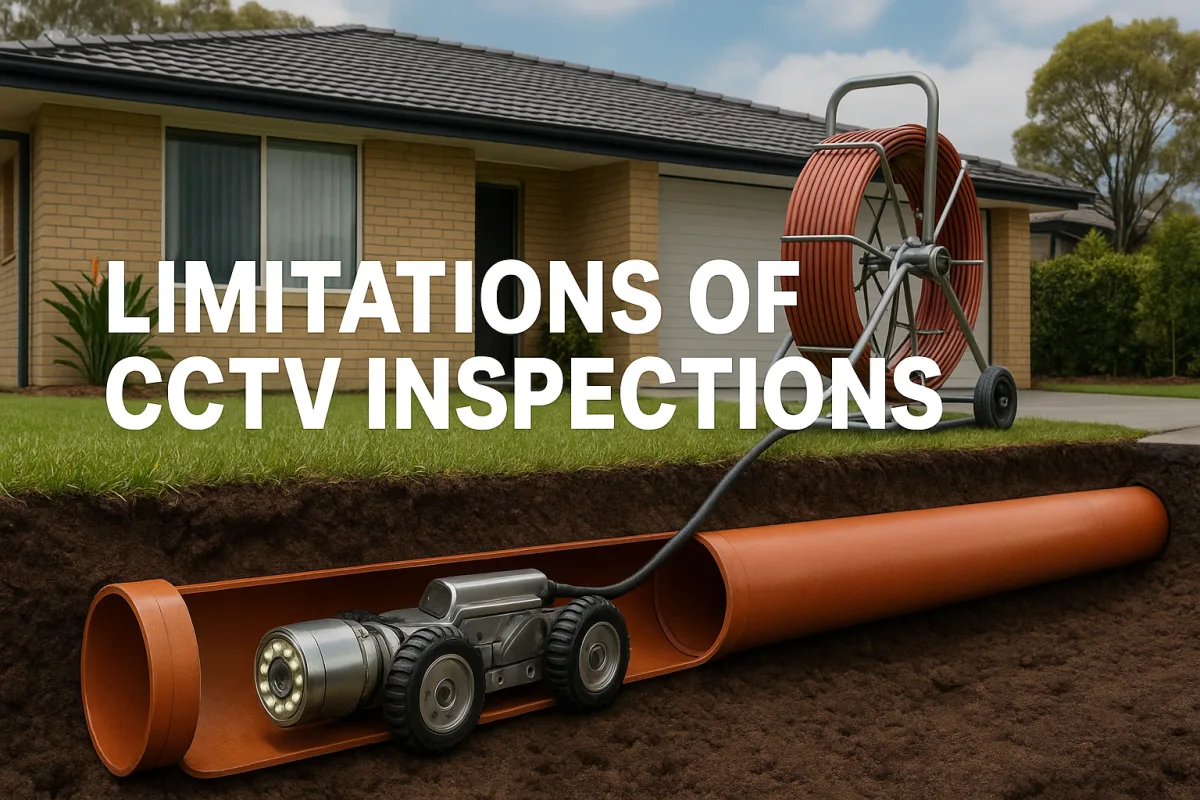
CCTV inspections are effective for diagnosing issues within pipes but have limitations. They cannot detect external leaks, view behind obstructions, or assess wall thickn…

CCTV inspections are essential for managing drainage in commercial and strata properties due to their complex networks, which include multiple units, larger pipes, and va…
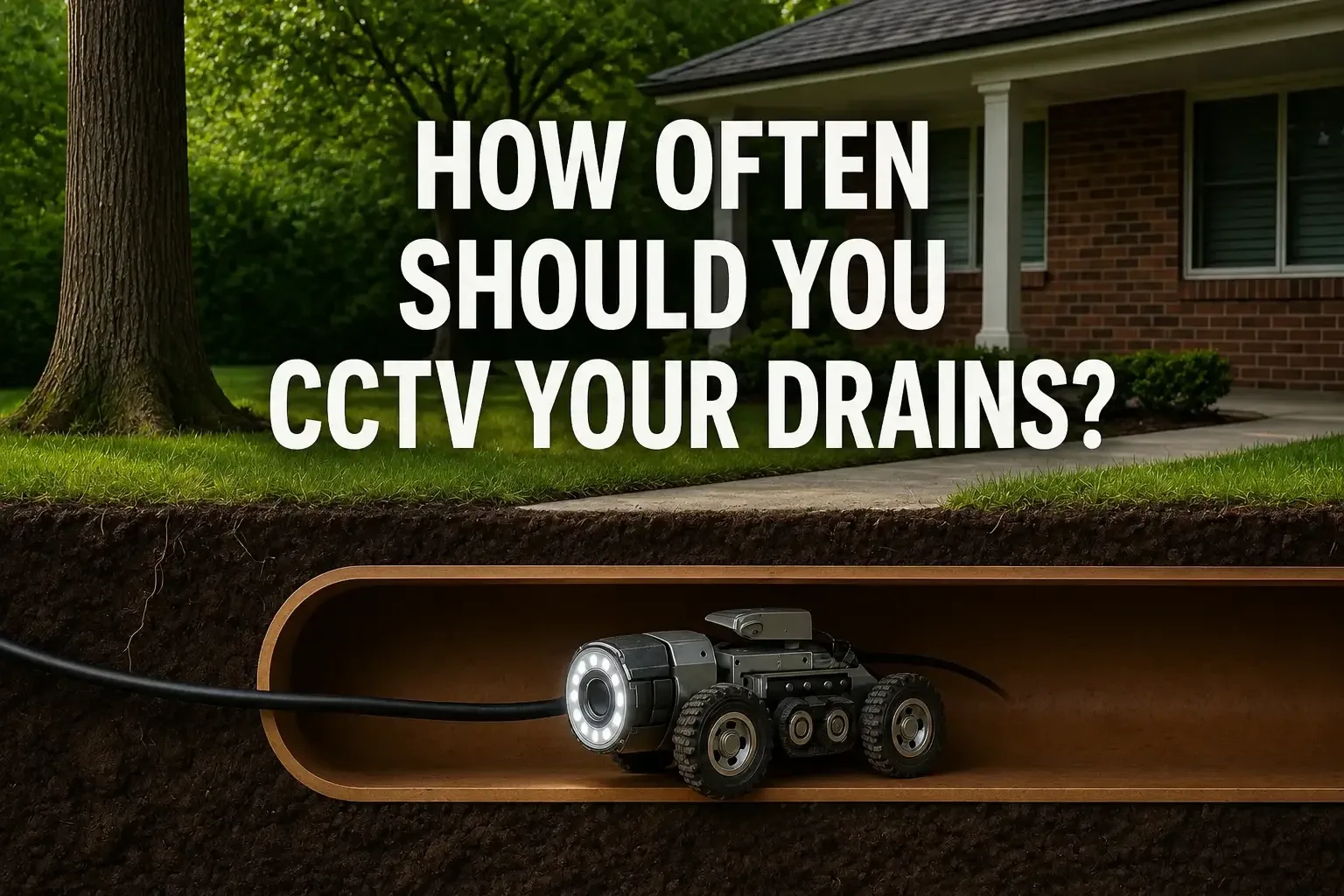
The frequency of CCTV inspections for drains varies based on specific risk factors rather than a fixed schedule. Properties with mature trees, older pipes, a history of b…
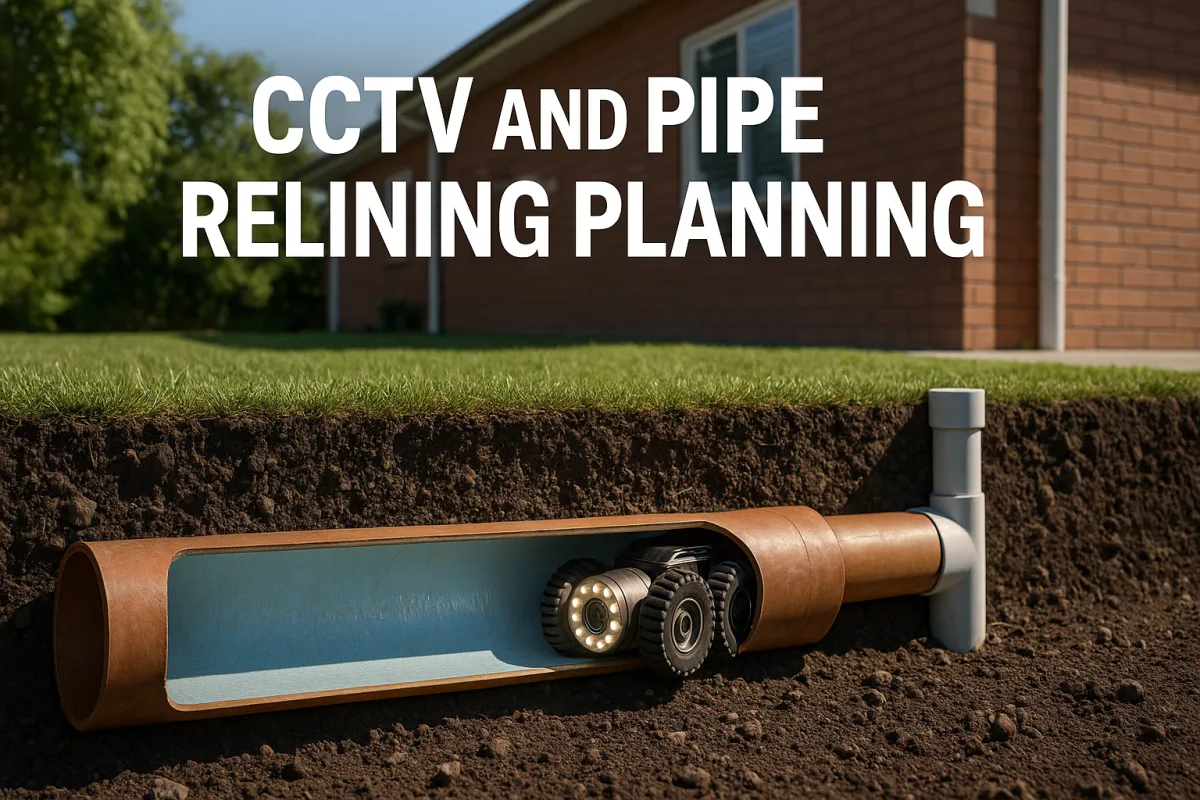
Pipe relining is a trenchless method for repairing damaged pipes from the inside, eliminating the need for excavation. Effective relining relies on thorough planning, whi…