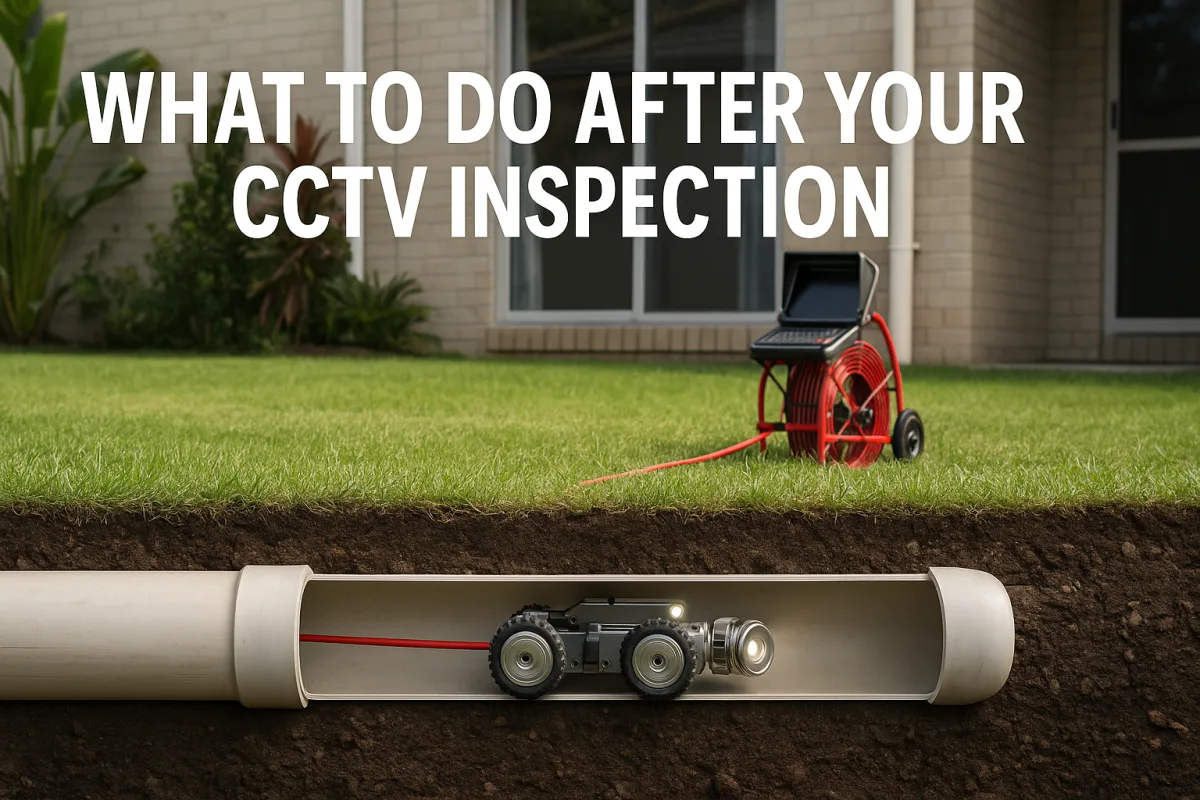
What to Do After Your CCTV Inspection
After a CCTV inspection, it is crucial to act on the findings. First, understand the report and prioritise issues by urgency: urgent problems, those needing prompt attent…
Asbestos cement (AC) pipe appears in many 1950s–70s Brisbane properties for sewer, stormwater and flues. It works fine until it is disturbed — broken AC releases fibres, so it must only be handled by licensed removalists.
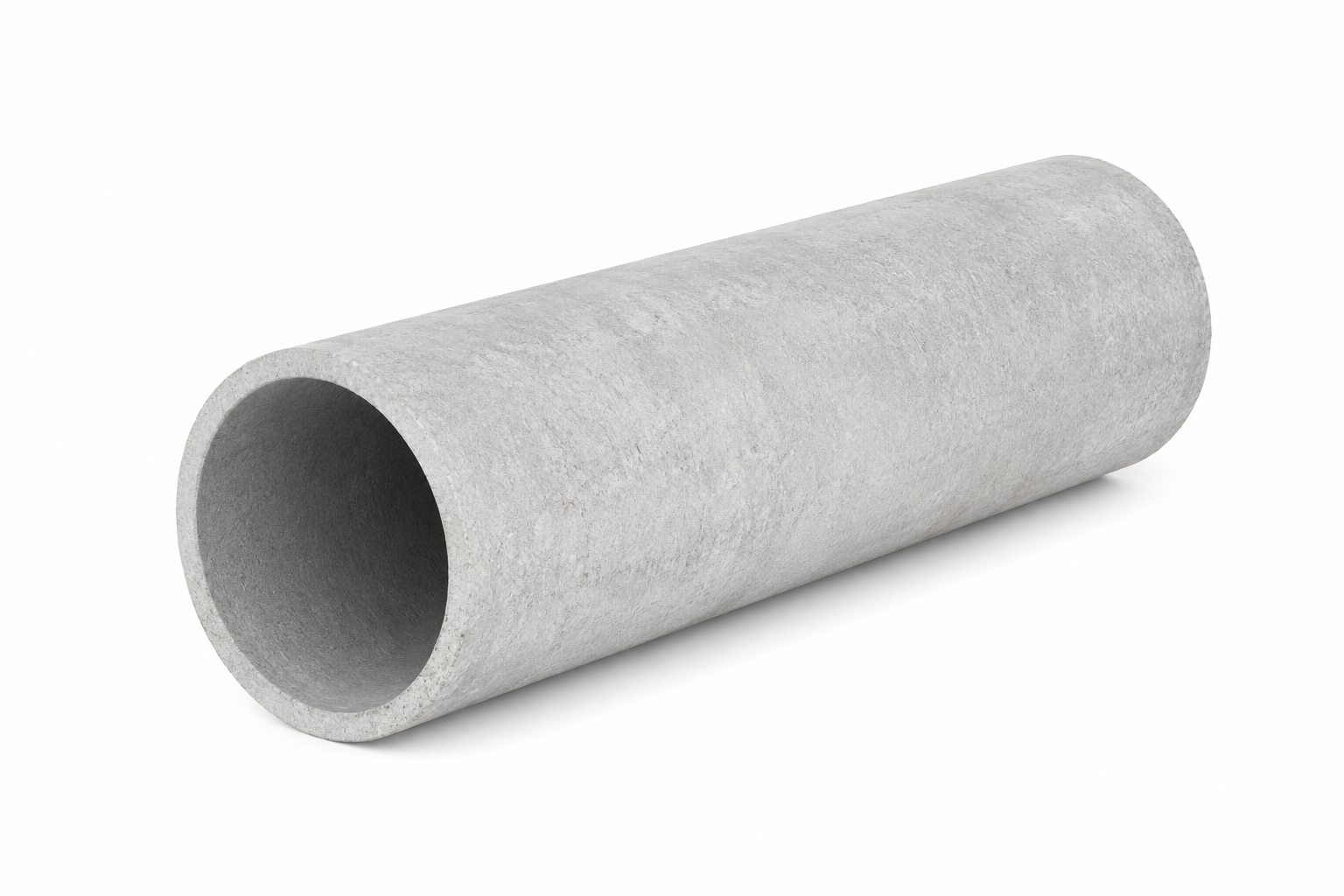
50–70 years; becomes fragile with age
Intact asbestos cement pipe is not dangerous underground — the risk comes only when it is broken, cut or ground, which releases fibres.
Relining can encapsulate AC pipe in place, avoiding the disturbance of digging it out.
Encapsulate only. Relining installs a new pipe inside the old one without digging. Whether it suits your Asbestos Cement (AC) depends on the pipe’s diameter and condition — a CCTV inspection confirms it. Overall repairability: Encapsulate only.
Learn about pipe reliningPresent in many 1950s–70s Brisbane properties. Must be handled by licensed removalists — relining can encapsulate AC pipe without disturbing it.
Chermside, Zillmere, Inala and Salisbury and other 1950s–70s suburbs.
What we usually find on CCTV: Softening and fine cracking of the pipe wall and failing joints; inspection is done carefully so the fragile pipe is not disturbed.
Asbestos cement (AC) pipes are rigid cement pipes reinforced with asbestos fibres. They were commonly installed in Brisbane between the 1940s and 1980s for sewer and stormwater drainage systems.
Asbestos cement pipes can last 50 to more than 80 years, although age, soil movement, tree roots and weathering often lead to cracking and deterioration over time.
Undamaged asbestos cement pipes generally present a low risk. The greatest risk occurs when pipes are cut, broken or disturbed, potentially releasing asbestos fibres. Damaged pipes should only be handled by appropriately licensed professionals where required by law.
Common issues include cracking, joint failure, ground movement, tree root intrusion, pipe collapse and material deterioration caused by age.
Depending on their condition, some asbestos cement pipes can be repaired using trenchless pipe relining or localised replacement. A CCTV inspection is recommended to assess the most appropriate repair method.
If asbestos cement pipes are badly deteriorated, collapsed or repeatedly failing, replacement with modern drainage materials such as uPVC or HDPE is often the preferred long-term solution.
CCTV drain camera inspections allow plumbers to assess the internal condition of asbestos cement pipes without unnecessary excavation or disturbance.
Yes. Tree roots commonly enter asbestos cement pipes through cracked sections, deteriorated joints and damaged connections, eventually causing recurring blockages.
Homes and properties built between the 1940s and 1980s may have asbestos cement drainage pipes. A CCTV inspection and professional assessment can help identify the pipe material without unnecessary disturbance.
Many structurally sound asbestos cement pipes can be rehabilitated using trenchless pipe relining, avoiding the need to remove the existing pipe. Suitability depends on the condition of the pipe and should be confirmed by a CCTV inspection.
Real photos, CCTV stills and repair images that illustrate the guide above.
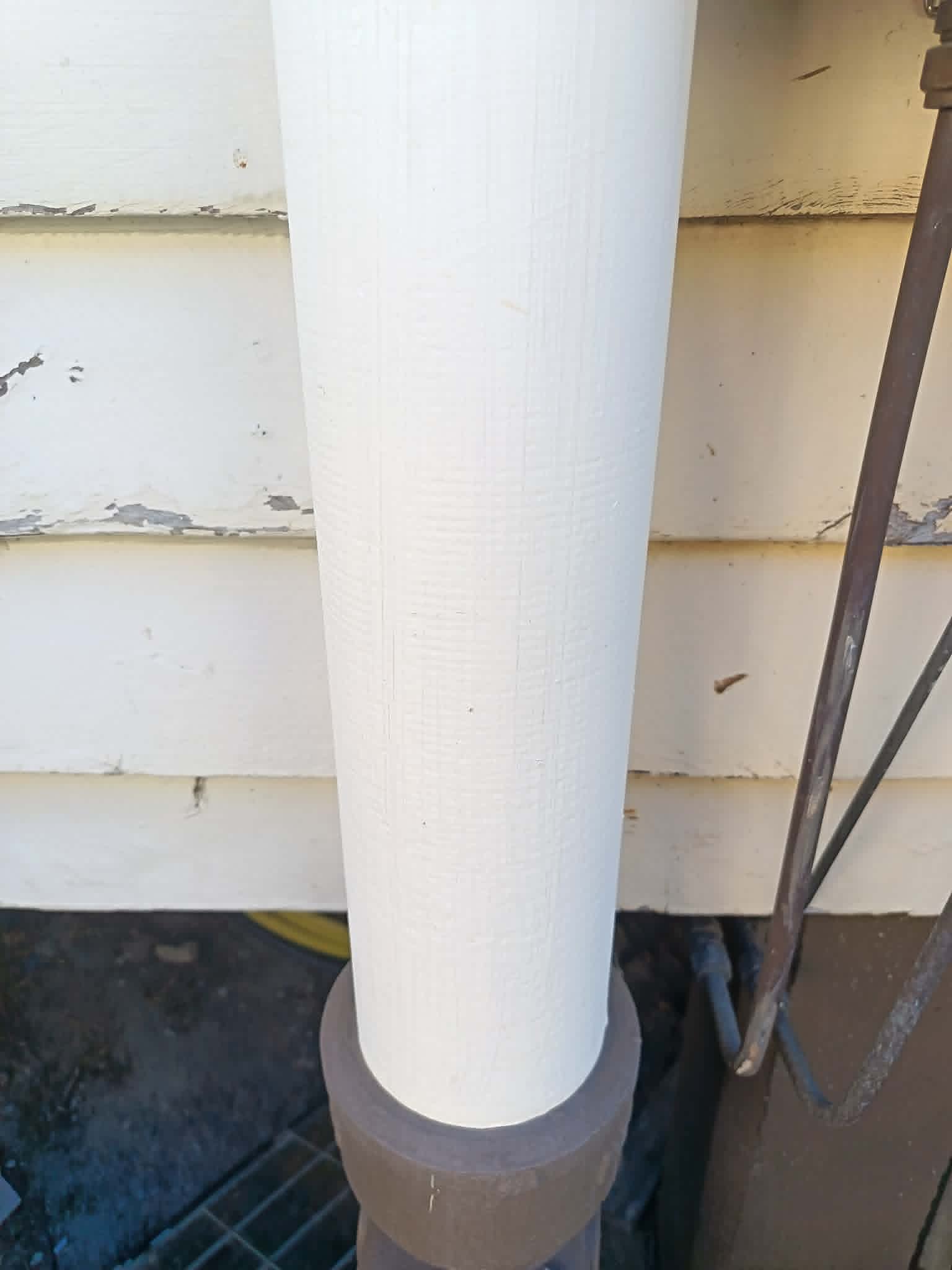
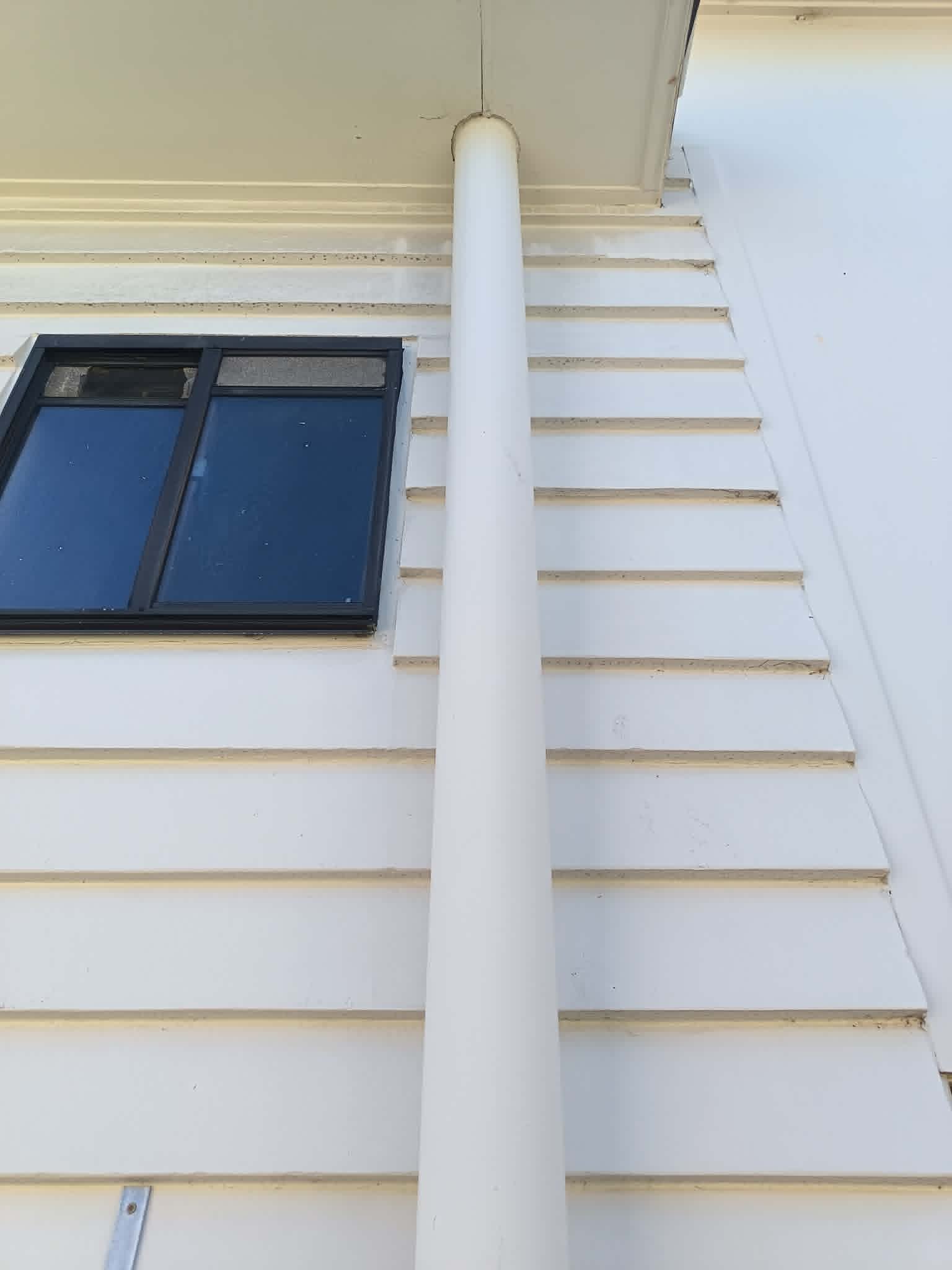
Three ways to confirm it — no obligation.
After a CCTV inspection, it is crucial to act on the findings. First, understand the report and prioritise issues by urgency: urgent problems, those needing prompt attent…

CCTV inspection costs vary based on several factors, including the scope of the job, access to drains, preparation needed, fault locating, reporting requirements, propert…
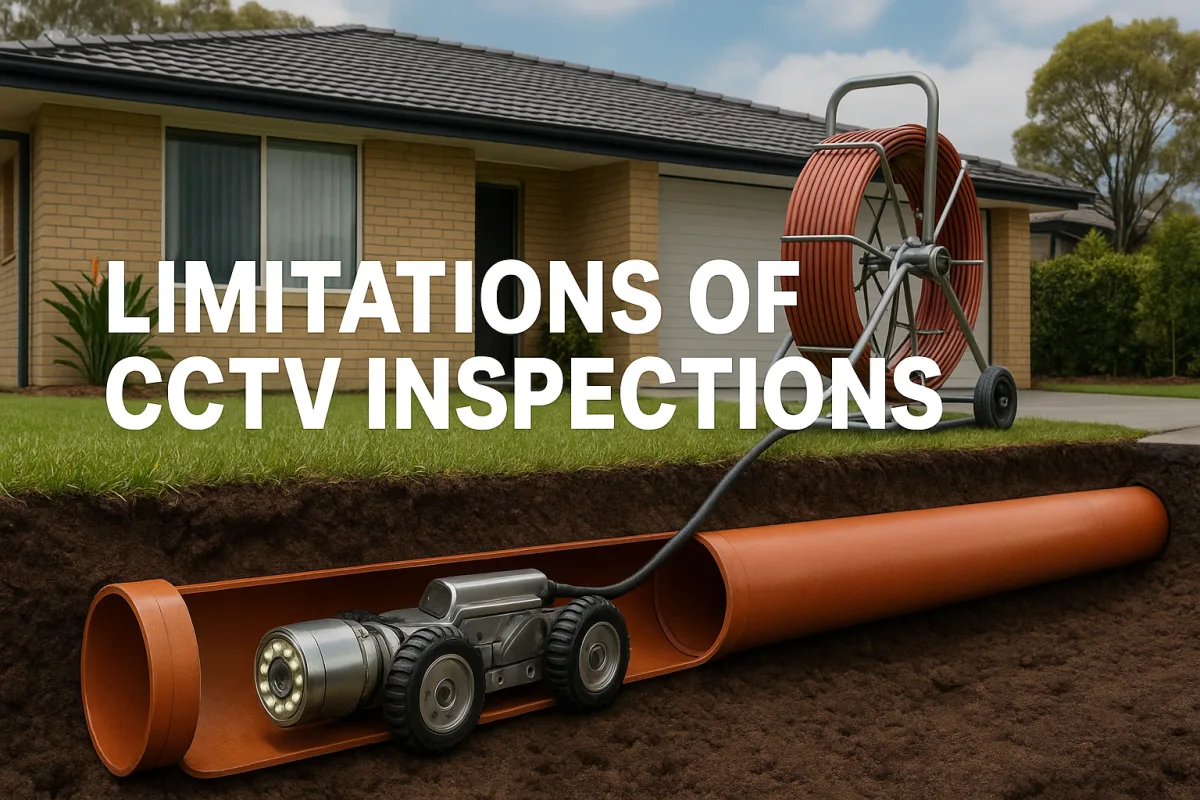
CCTV inspections are effective for diagnosing issues within pipes but have limitations. They cannot detect external leaks, view behind obstructions, or assess wall thickn…

CCTV inspections are essential for managing drainage in commercial and strata properties due to their complex networks, which include multiple units, larger pipes, and va…
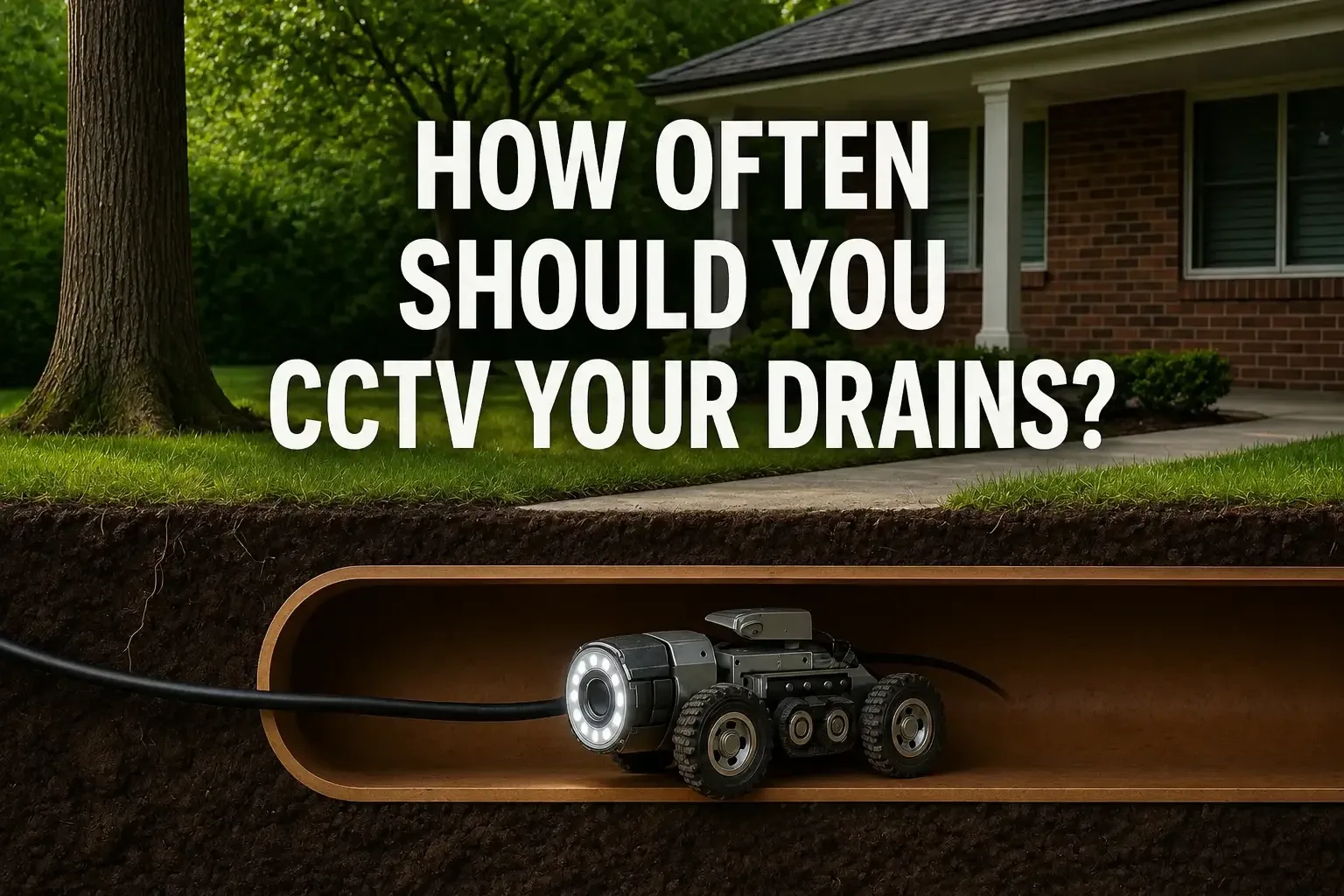
The frequency of CCTV inspections for drains varies based on specific risk factors rather than a fixed schedule. Properties with mature trees, older pipes, a history of b…
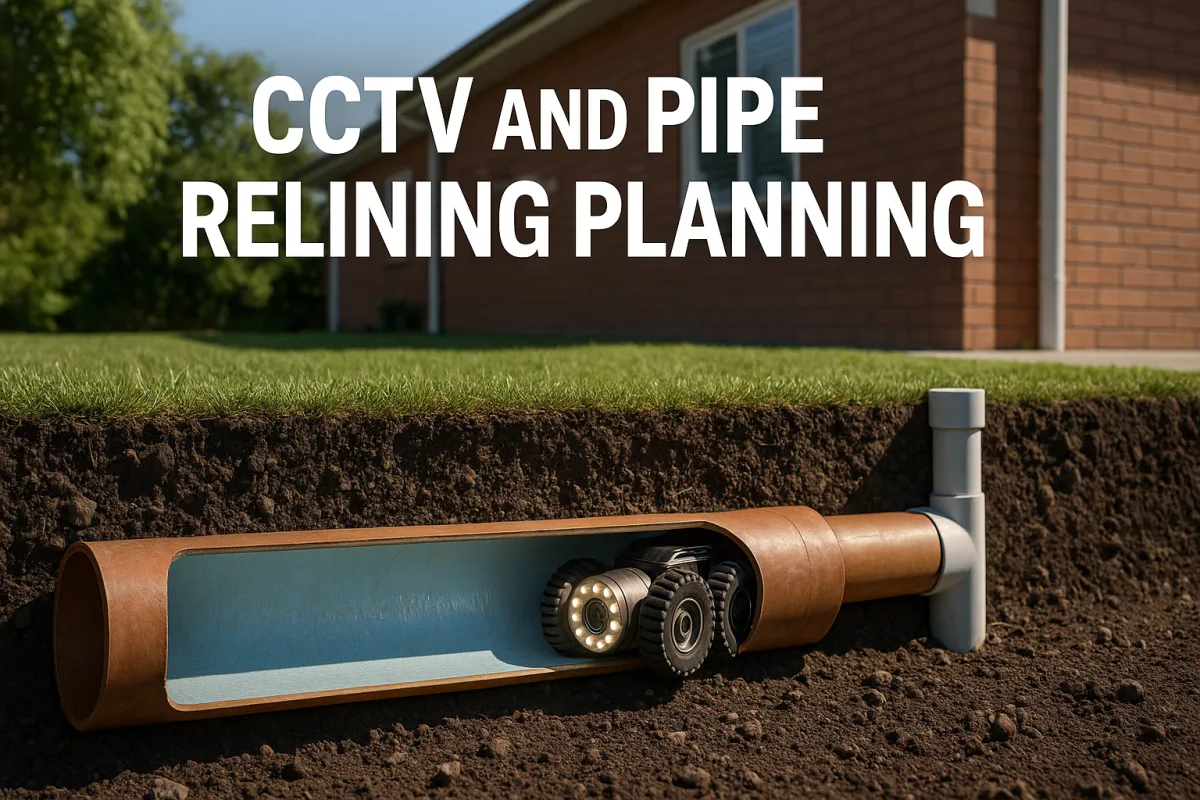
Pipe relining is a trenchless method for repairing damaged pipes from the inside, eliminating the need for excavation. Effective relining relies on thorough planning, whi…