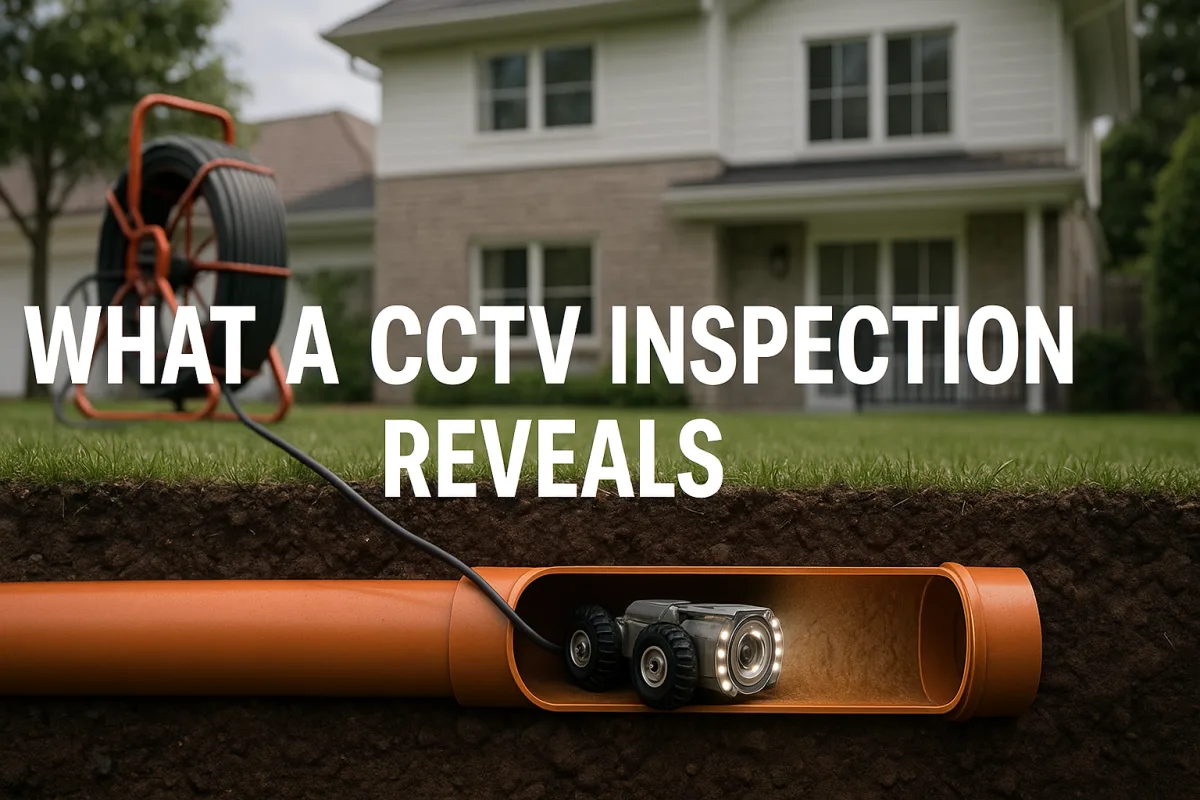
What a CCTV Inspection Reveals
A CCTV inspection provides a comprehensive assessment of a pipe's condition, revealing structural faults such as cracks, collapses, and misaligned joints, as well as flow…
Cast iron was the standard for stack and waste pipes in Brisbane’s older inner-city and commercial buildings. It is strong but corrodes internally, gradually choking the bore with rust and scale.
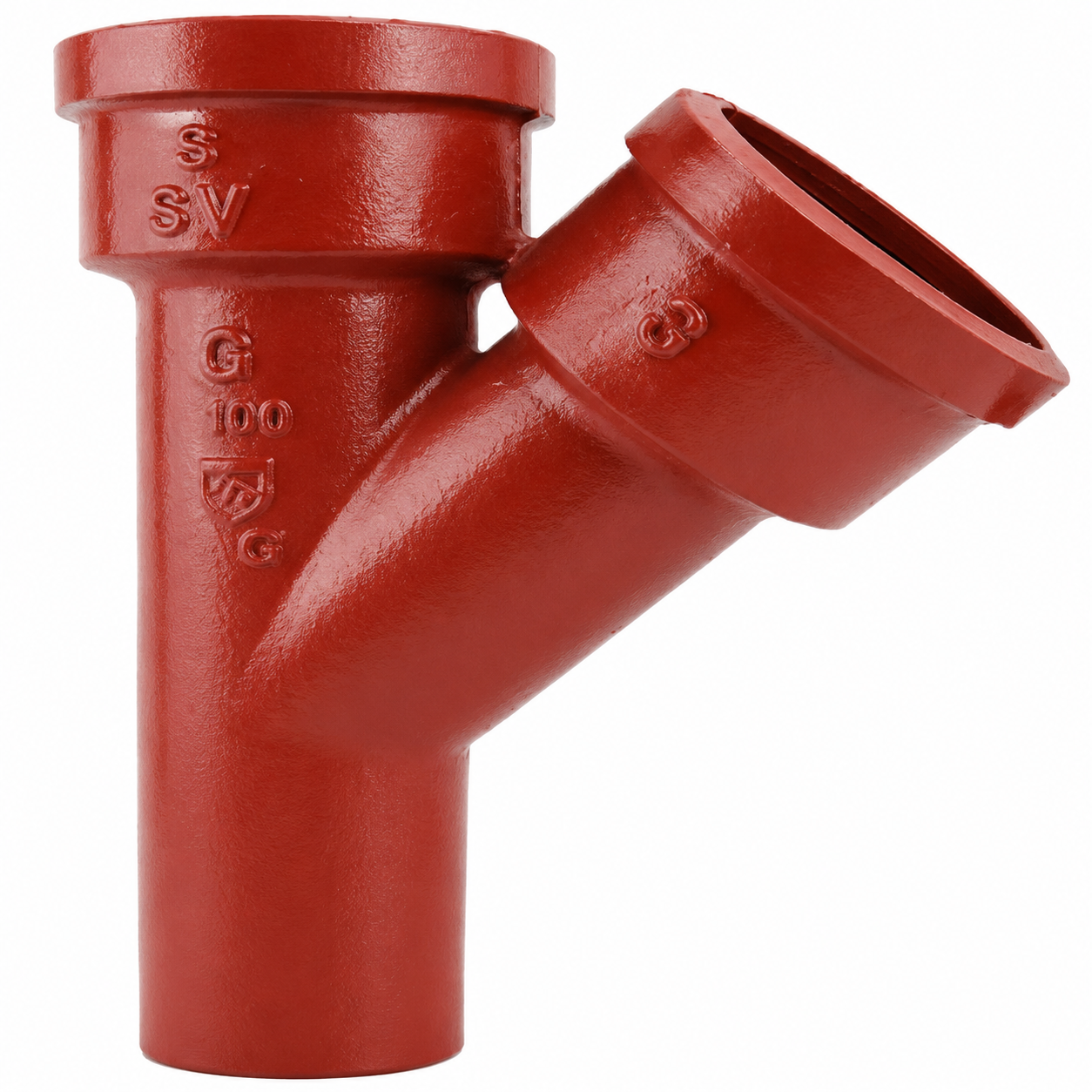
50–75 years; corrosion-dependent
Cast iron corrodes from the inside out, so a pipe can look solid from outside while its bore is half-closed with rust.
Descaling can restore much of a cast-iron pipe's flow before relining seals it for another few decades.
Often. Relining installs a new pipe inside the old one without digging. Whether it suits your Cast Iron depends on the pipe’s diameter and condition — a CCTV inspection confirms it. Overall repairability: Good (descale + reline).
Learn about pipe reliningFound across Brisbane's older inner-city and commercial stock. Humidity and acidic waste accelerate internal corrosion.
Spring Hill, Toowong, Highgate Hill, Paddington and Fortitude Valley.
What we usually find on CCTV: Heavy internal tuberculation (rust nodules) narrowing the bore, channelling along the invert, and cracks at the most corroded sections.
Cast iron pipes were commonly used for sewer, waste and stormwater drainage in Brisbane homes built before the 1970s. They are strong and durable but can deteriorate due to corrosion over time.
Cast iron drain pipes typically last 50 to 100 years, depending on soil conditions, moisture levels, installation quality and ongoing maintenance.
Common problems include internal corrosion, rust scale build-up, cracking, joint failure, tree root intrusion and reduced water flow caused by years of corrosion.
Yes. Over time, cast iron pipes can corrode internally, creating rough surfaces that trap debris, reduce flow and increase the likelihood of recurring blockages.
Yes. Depending on their condition, cast iron pipes may be repaired using localised excavation, section replacement or trenchless pipe relining. A CCTV inspection is recommended before deciding on the most suitable repair method.
If a cast iron pipe has severe corrosion, repeated failures or structural damage, replacing it with modern uPVC drainage pipe is often the most reliable long-term solution.
CCTV drain camera inspections allow plumbers to assess corrosion, cracks, joint condition, root intrusion and other defects without unnecessary excavation.
Yes. Tree roots commonly enter cast iron drainage systems through deteriorated joints, cracked sections and corroded areas where moisture escapes.
Homes built before the 1970s may have cast iron drainage pipes. A CCTV inspection or pipe locating service can confirm the pipe material and assess its condition.
Many cast iron pipes are suitable for trenchless pipe relining if the pipe retains sufficient structural integrity. A CCTV inspection is required to determine whether relining is an appropriate repair option.
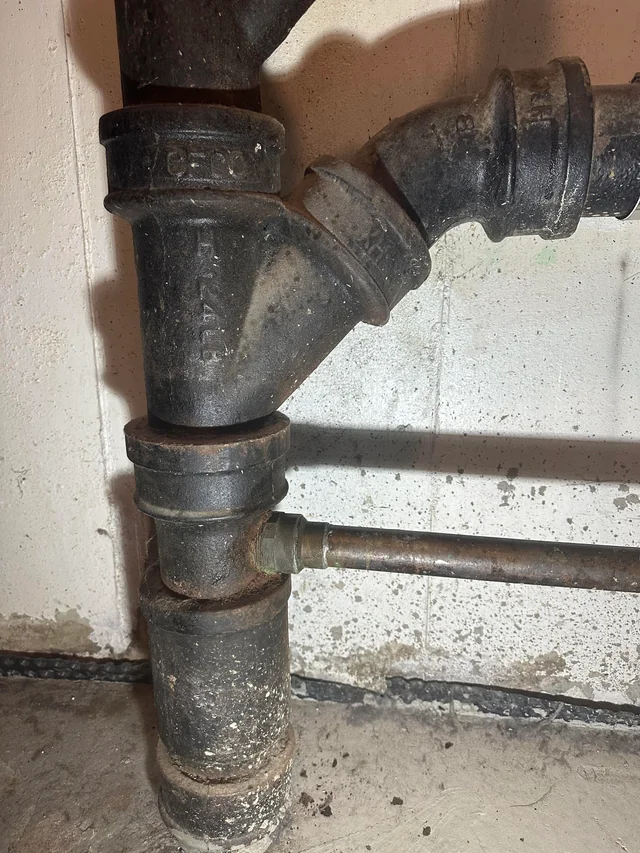
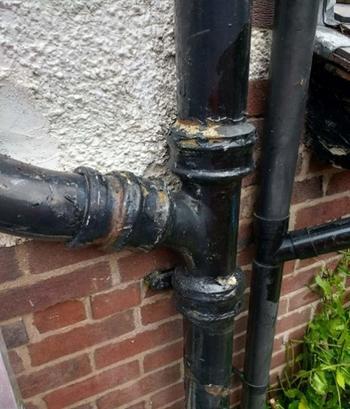
Real photos, CCTV stills and repair images that illustrate the guide above.
Three ways to confirm it — no obligation.
A CCTV inspection provides a comprehensive assessment of a pipe's condition, revealing structural faults such as cracks, collapses, and misaligned joints, as well as flow…
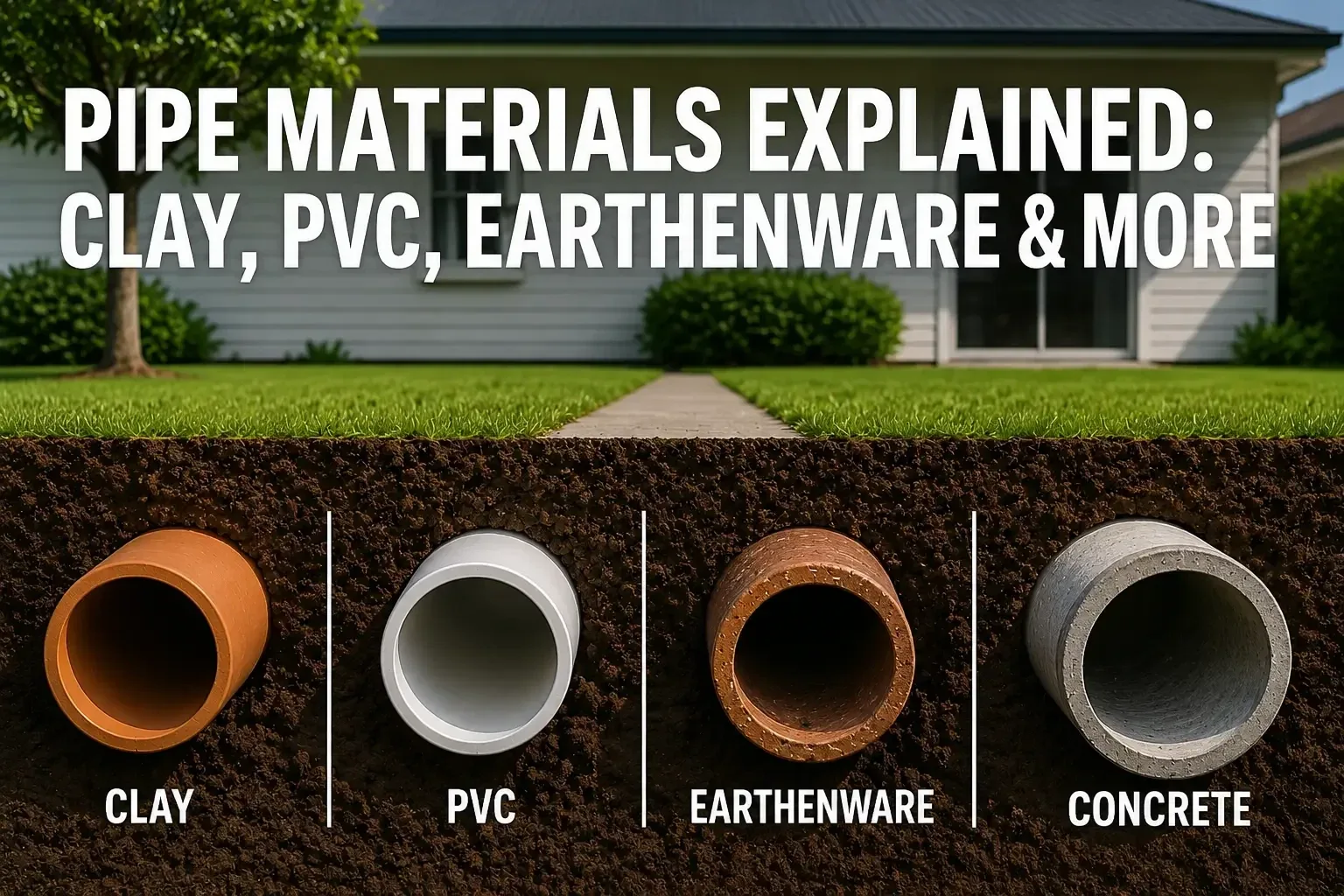
The material of drainage pipes significantly influences their durability, failure modes, and susceptibility to issues like root intrusion. Common materials include vitrif…
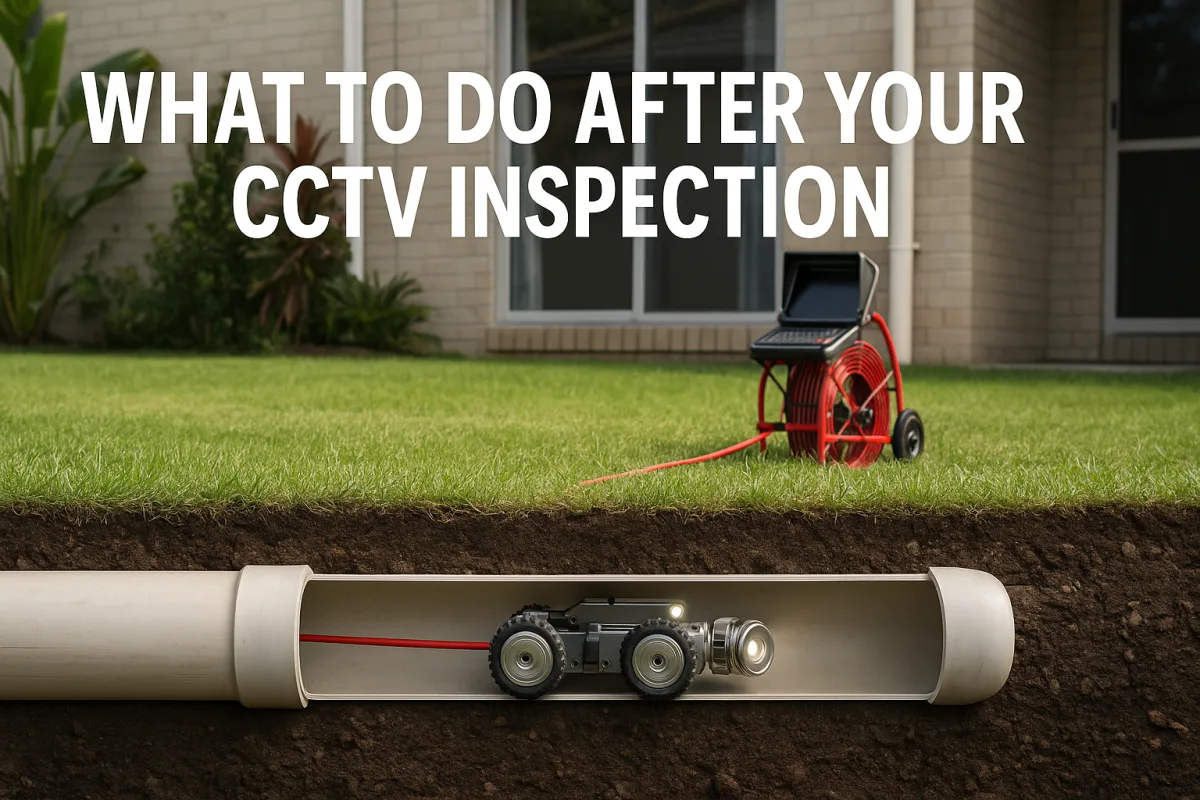
After a CCTV inspection, it is crucial to act on the findings. First, understand the report and prioritise issues by urgency: urgent problems, those needing prompt attent…

CCTV inspection costs vary based on several factors, including the scope of the job, access to drains, preparation needed, fault locating, reporting requirements, propert…
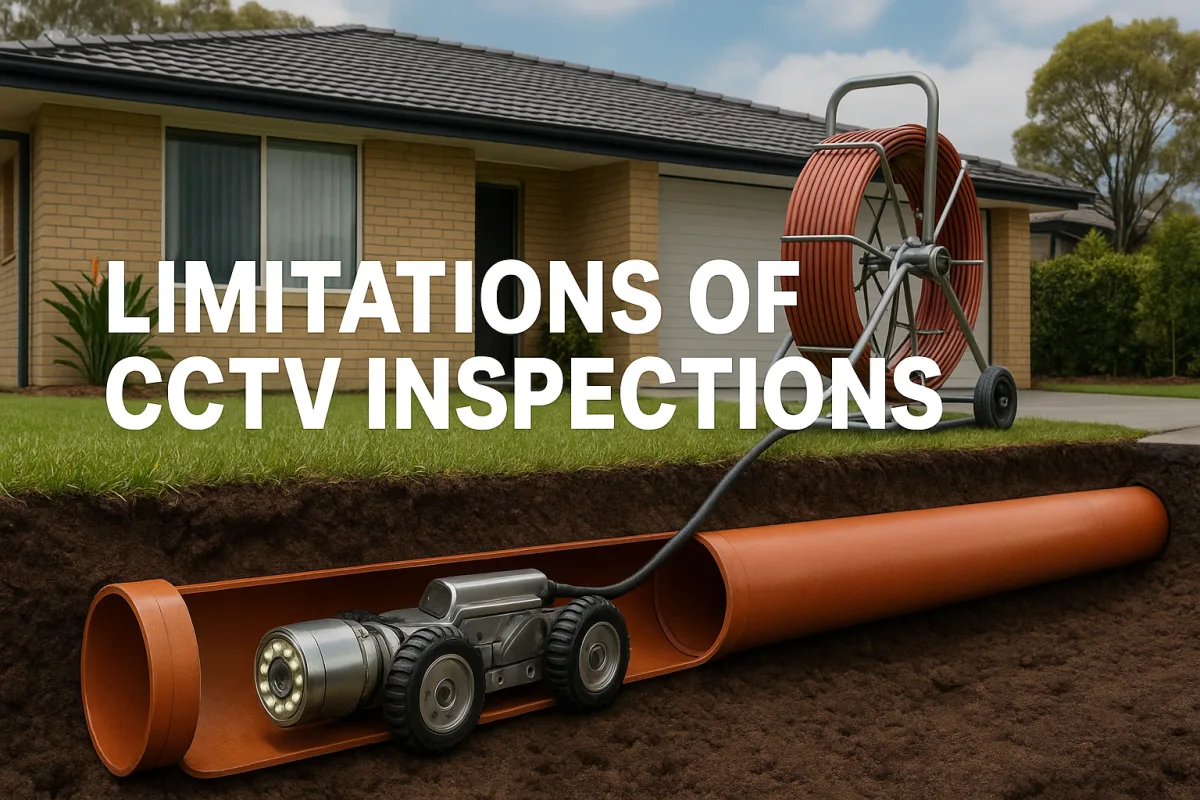
CCTV inspections are effective for diagnosing issues within pipes but have limitations. They cannot detect external leaks, view behind obstructions, or assess wall thickn…

CCTV inspections are essential for managing drainage in commercial and strata properties due to their complex networks, which include multiple units, larger pipes, and va…