The kitchen sink handles some of the toughest waste in the house — grease, food scraps, coffee grounds and more — so it is no surprise it blocks so often. The causes are usually predictable, which is good news: a blocked kitchen sink is one of the most preventable drainage problems, and many clogs can be cleared with simple tools. This lesson covers why kitchen sinks block, how to clear one safely, and how to keep it flowing.
Why kitchen sinks block
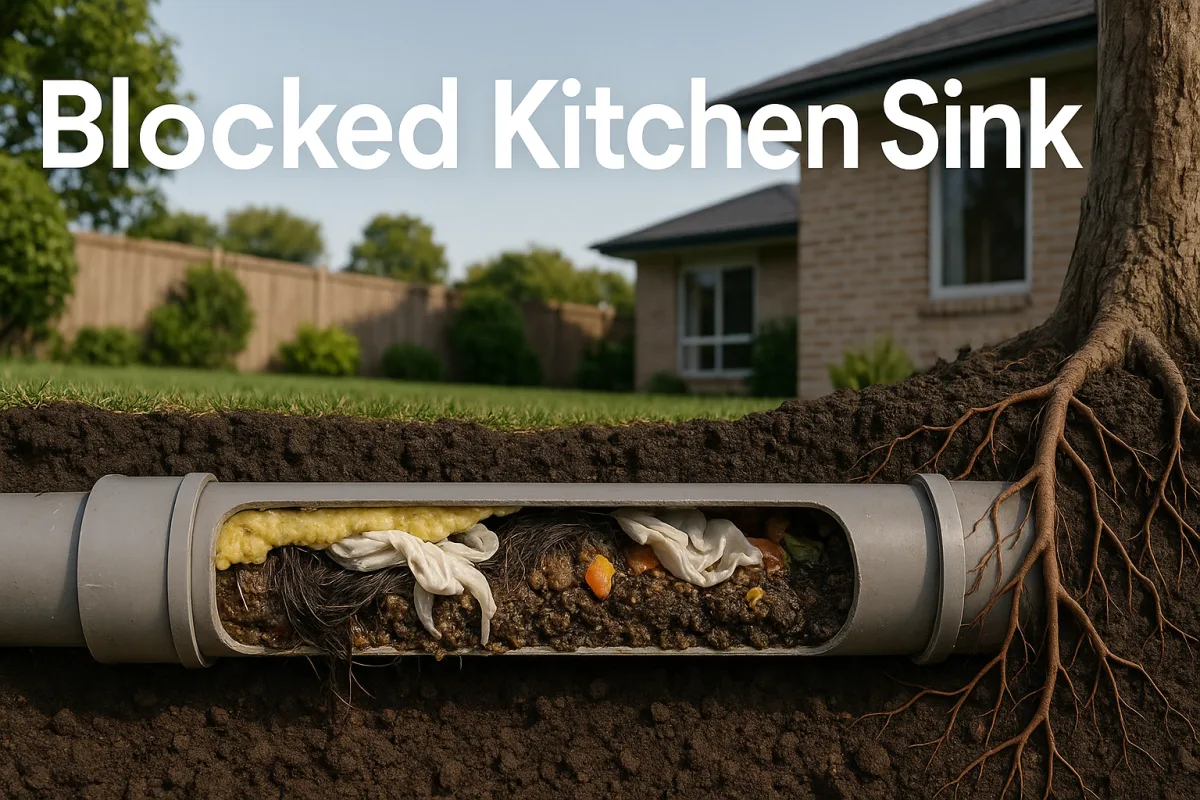
Kitchen blockages are dominated by a few repeat offenders:
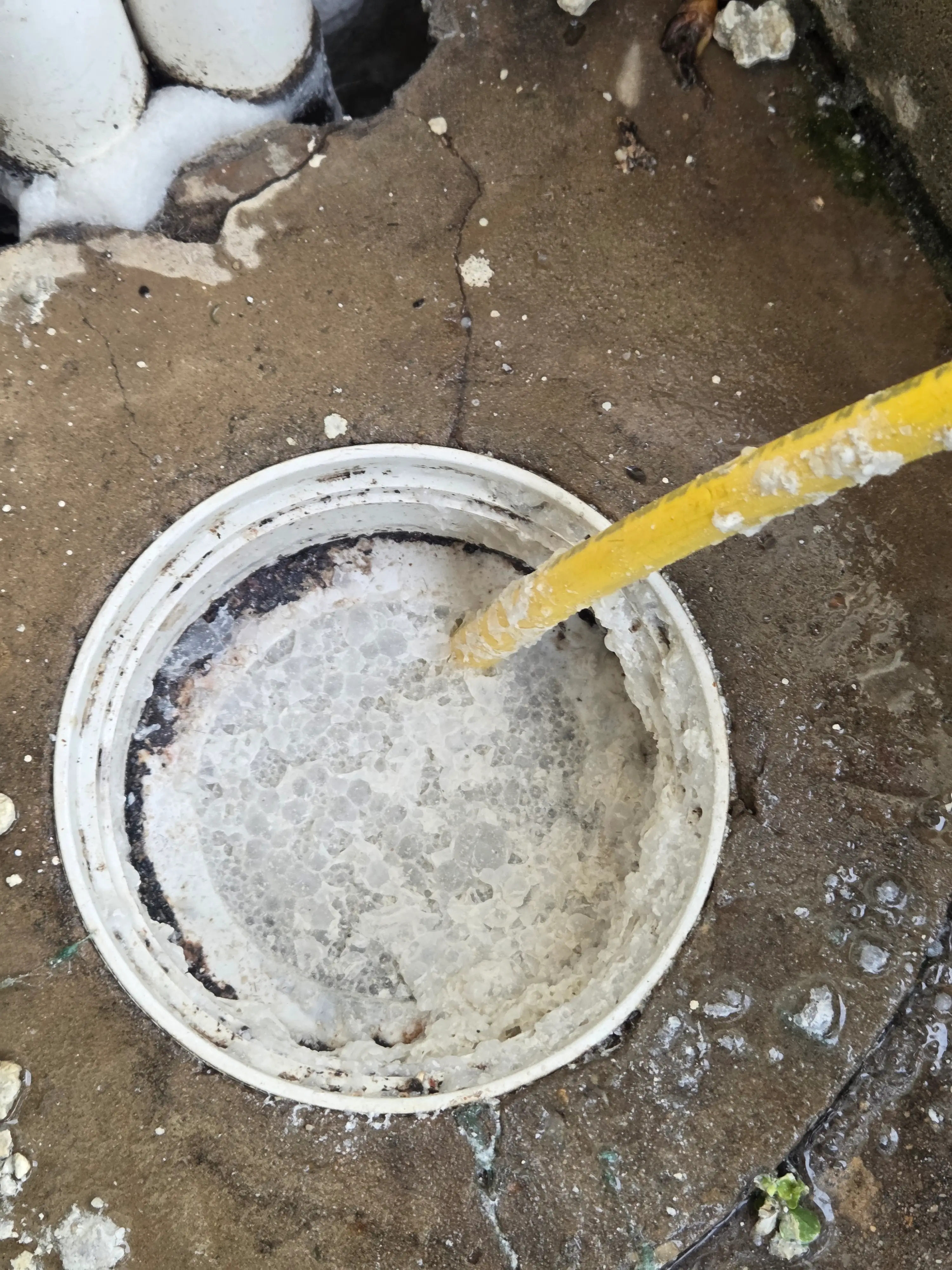
- Fats, oils and grease — the leading cause, cooling and hardening inside the pipe. See the grease and fat blockages lesson for the full story.
- Food scraps — rice and pasta swell, coffee grounds clump, and fibrous peelings tangle.
- Starchy and stringy waste that binds into a paste.
- Grease-coated debris, where scraps stick to a fatty pipe wall and build up.
Most kitchen blockages form in or just past the sink trap — the U-bend under the sink — because that is where flow slows and material collects first.
Clearing a blocked kitchen sink
Work through these steps in order:
- Remove standing water and try hot water first. For a mild grease clog, a kettle of hot (not boiling) water may soften and shift it.
- Plunge the sink. Fill the sink with a little water to seal the plunger, block the overflow and any second drain, and plunge firmly. This clears many partial blockages.
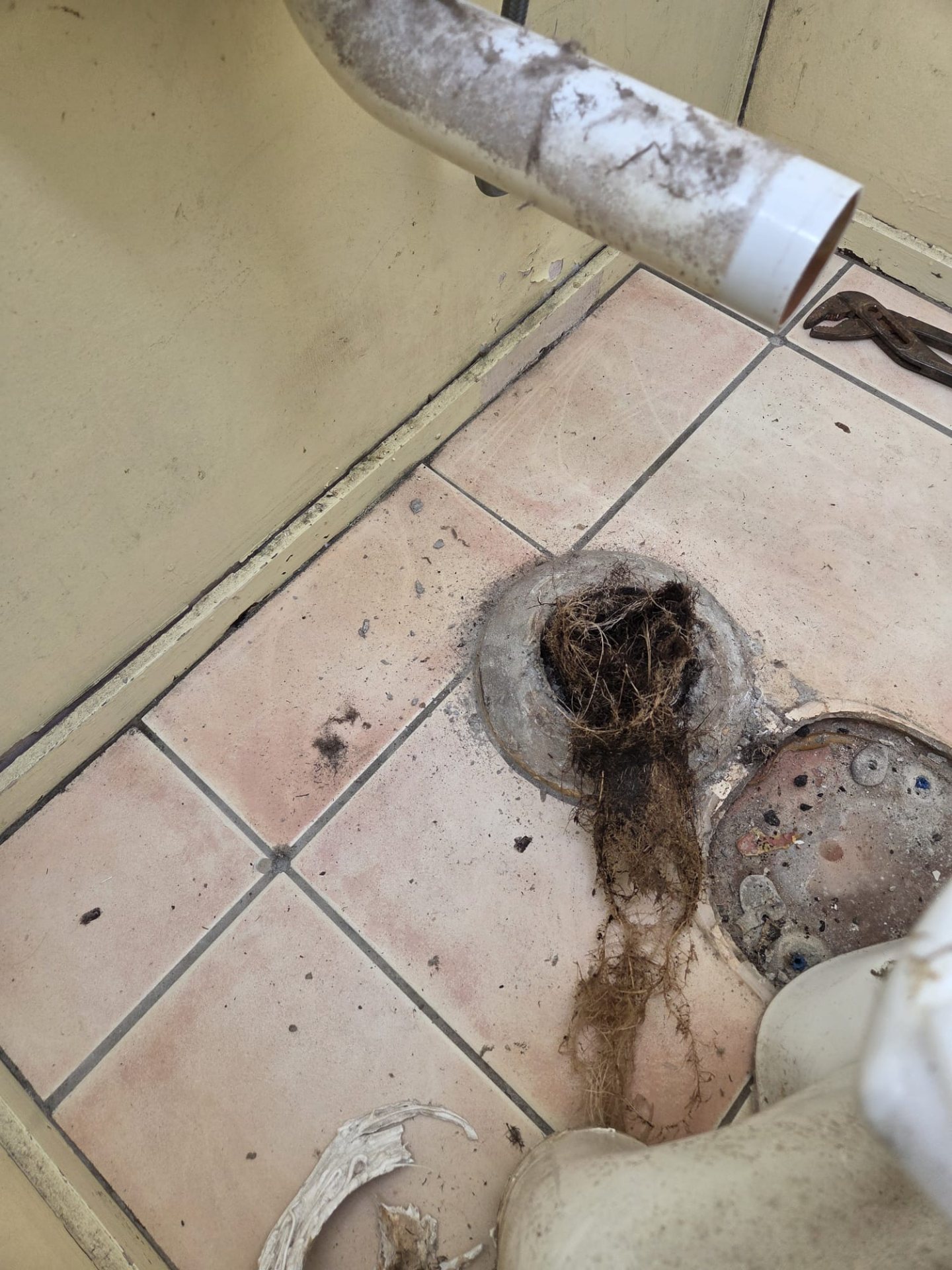
- Clean the trap. Place a bucket under the U-bend, unscrew it, and clear out the grease and debris inside. This is often where the blockage is, and cleaning it solves a large share of kitchen clogs.
- Use a drain snake. If the blockage is past the trap, a hand snake can reach further along the pipe to break it up.
Take care when reassembling the trap — hand-tighten and check for leaks before running water.
The U-bend under the sink is where most kitchen blockages hide. Cleaning it out is unglamorous, but it solves more kitchen clogs than any product on a shelf.
Why chemical drain cleaners are a poor routine fix
It is tempting to reach for a bottle of caustic drain cleaner, but these are a poor routine solution. They can damage some pipe types, they often fail to clear a solid grease or food blockage, and they leave a hazardous mix of chemicals and water sitting in the pipe if the clog does not clear. Mechanical methods — plunger, trap cleaning and snaking — are safer and more reliable for the everyday kitchen clog.
Keeping the kitchen drain clear
Prevention is straightforward and effective:
- Never pour fat or oil down the sink. Let it cool and bin it.
- Scrape plates into the bin or compost before washing.
- Fit a sink strainer to catch food scraps, and empty it into the bin.
- Wipe greasy pans with paper towel before rinsing.
- Flush with hot water after washing up to help carry residue away.
A kitchen that follows these habits rarely blocks. If you have a dishwasher or waste disposal unit, be especially careful with grease, as these still send fats into the same line.
When to call a professional
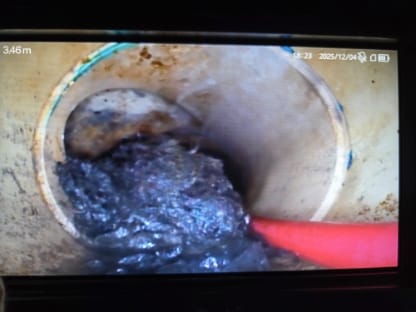
If cleaning the trap and snaking do not fix it, or if the sink blocks again soon after clearing, the build-up is likely deeper in the line and may need professional high-pressure jetting to scour it clean. Recurring kitchen blockages can also point to a shared drain problem. In that case, get in touch through the contact page to have the line cleared properly.