If you have never had a drain inspection before, it helps to know what to expect. The process is generally quick, clean and non-destructive — no digging required. This lesson walks through a typical CCTV inspection step by step so there are no surprises on the day.
Step 1: Understanding the problem
A good inspection starts with a conversation. The technician will ask what symptoms you have noticed — slow drains, smells, recurring blockages, soggy ground — and any history of previous work. This helps them decide which drains to inspect and where to start, so the inspection targets the right lines rather than wandering aimlessly.
Step 2: Finding an access point
The camera needs a way into the pipe. Common access points include:
- An inspection opening or cleanout
- A boundary shaft or inspection chamber
- A removed fixture such as a toilet, where appropriate
- An outdoor gully or overflow point
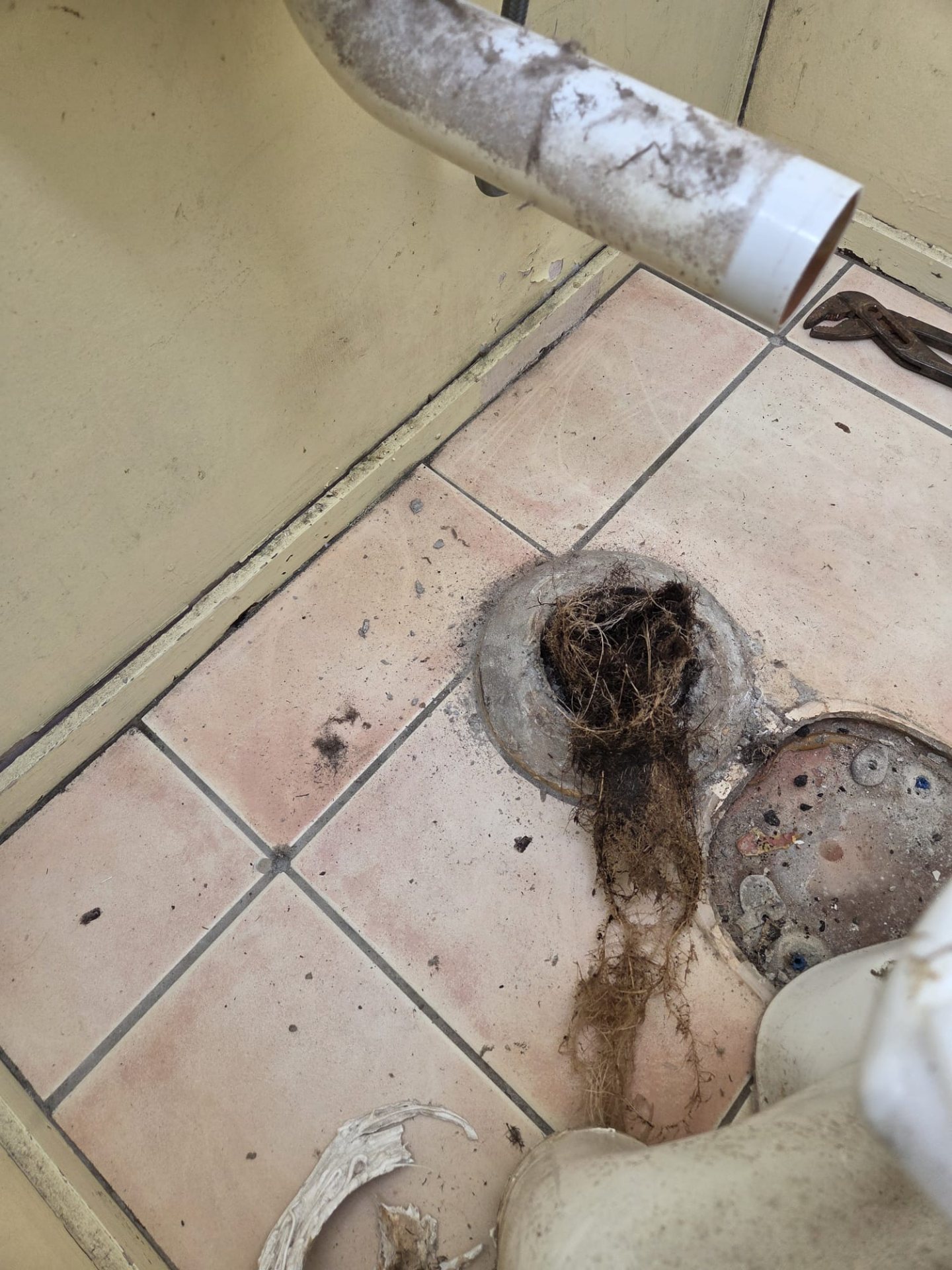
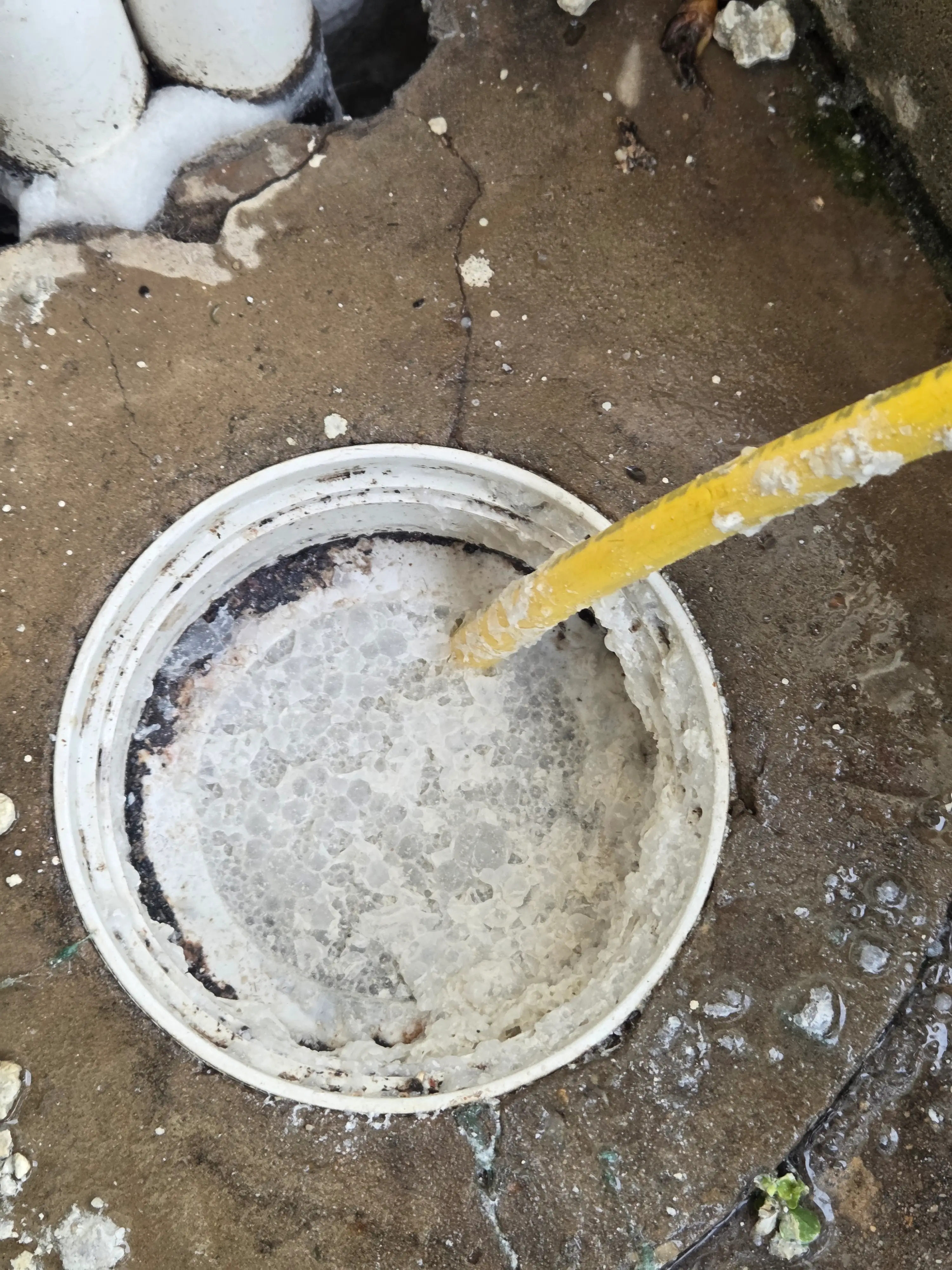
Choosing the right entry point lets the camera reach the area of concern with the least fuss. If a drain is heavily blocked, it may need clearing first so the camera can pass.
Step 3: The camera run
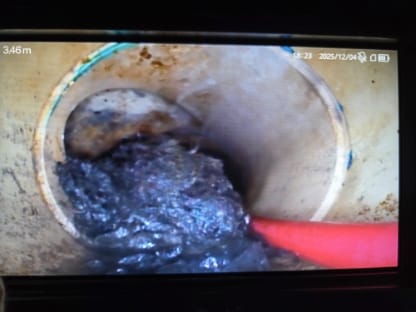
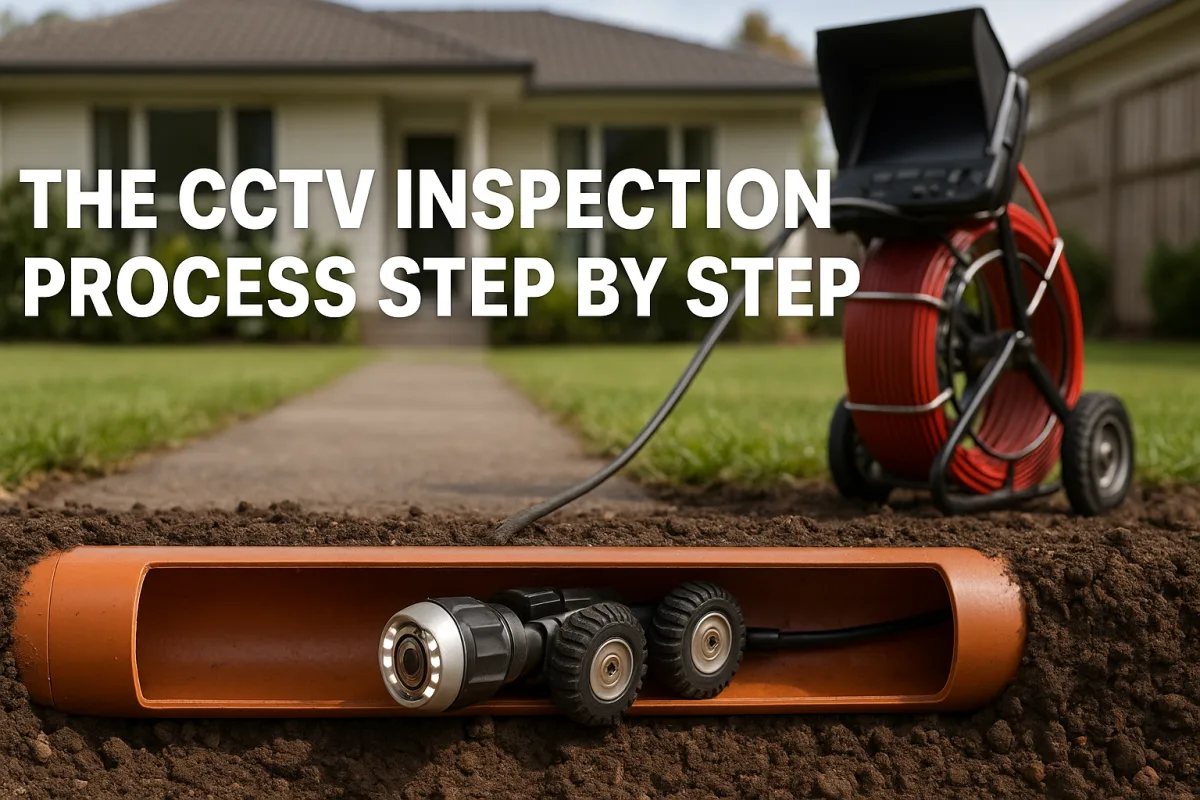
With access sorted, the technician feeds the camera into the pipe and begins recording. As the camera travels, they:
- Watch the live feed on the monitor for defects
- Adjust lighting and pace to get a clear view
- Note the distance to each finding using the reel counter
- Capture still images at points of interest
- Pause at significant faults for a closer look
You are usually welcome to watch the screen too — seeing your own pipes is often surprisingly illuminating.
Step 4: Locating faults
When a significant fault is found, the technician can use the sonde and a surface locator to pinpoint its exact position and depth above ground, marking the spot for any future repair. This is covered in detail in locating pipes with sondes.
Step 5: Review and report
After the run, the technician reviews the findings with you and prepares a report. A thorough report includes the footage, still images, distances, a written summary and recommendations. This is your record to keep — see reading a CCTV drain report for how to interpret it.
A well-run inspection leaves you with two things: a clear understanding of your drains, and a record you can act on.
How long does it take?
Duration varies with the size of the property, the number of drains, and how accessible they are. A straightforward residential inspection is often completed in a single visit. If drains need clearing before the camera can pass, that adds time. Because it is non-destructive, you can usually carry on with your day while the work happens.
Getting ready
A little preparation helps the inspection run smoothly — clearing access to drains and openings is the main thing. See preparing your property for a CCTV inspection for a simple checklist.
To book an inspection or ask what is involved for your property, get in touch through the contact page.