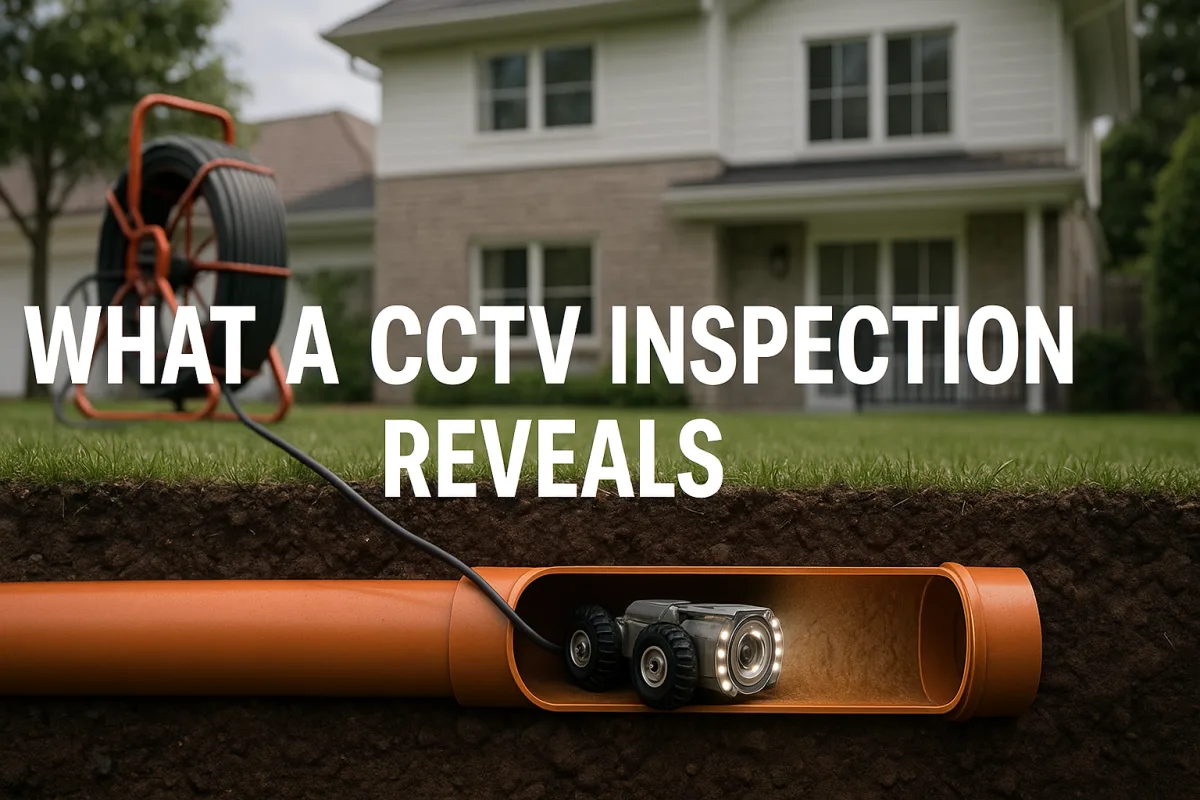
One of the most useful things about a CCTV inspection is the sheer range of problems it can uncover in a single run. Rather than confirming just one suspected fault, the camera gives a full picture of the pipe's condition from end to end. This lesson walks through the main things an inspection can reveal and what each finding means for you.
Structural faults
These affect the integrity of the pipe itself:
- Cracks and fractures — from hairline splits to open breaks that let water escape and roots enter.
- Collapses — a section that has partially or fully caved in, obstructing flow and often requiring replacement or relining.
- Misaligned or displaced joints — where pipe sections have shifted out of line, creating steps that snag debris.
- Deteriorated material — old earthenware or corroded pipe that is nearing the end of its life.
Flow and blockage problems
These affect how well water and waste move through the pipe:
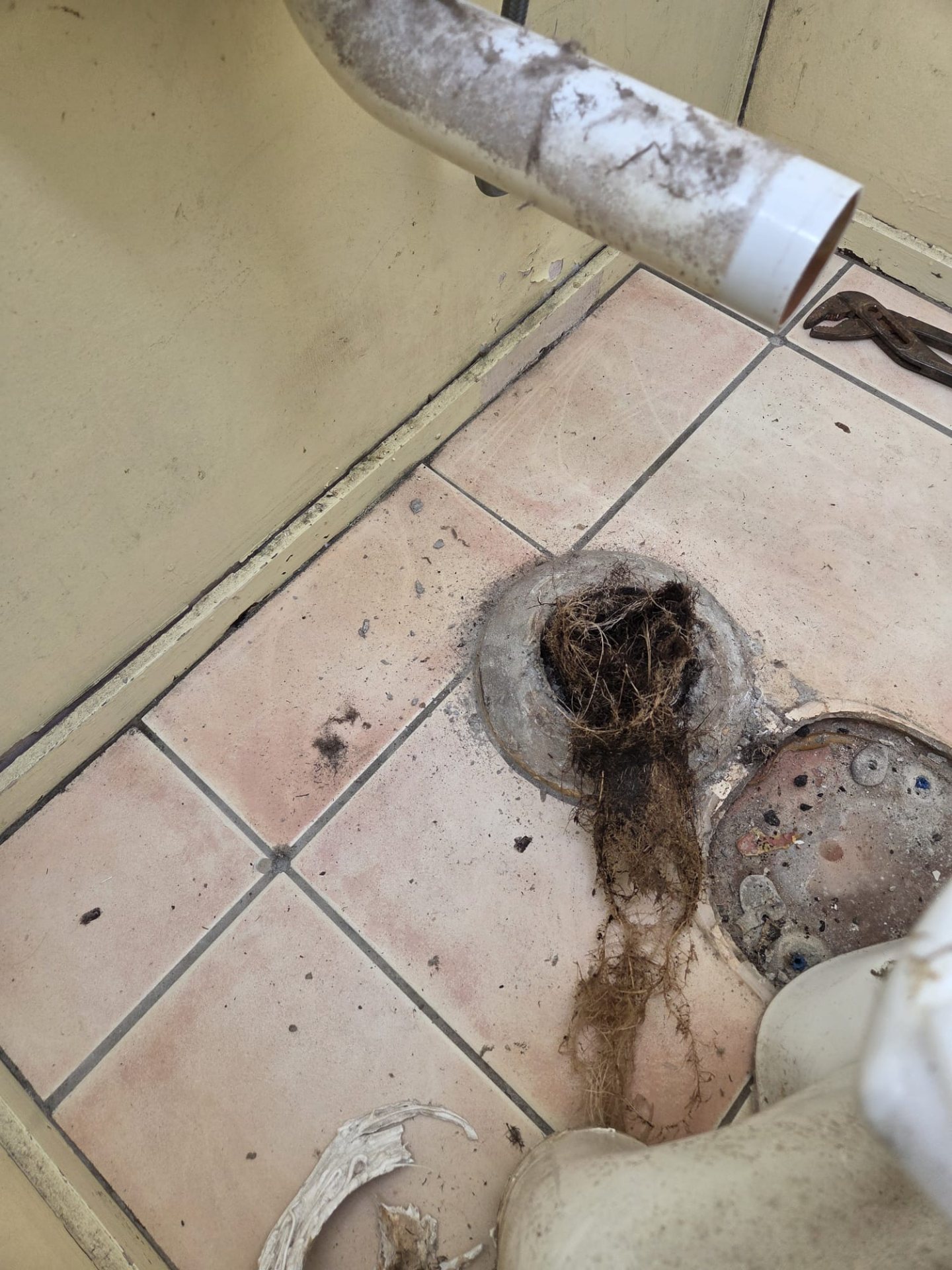
- Tree root intrusion — fine roots enter through joints and cracks, then grow into dense masses.
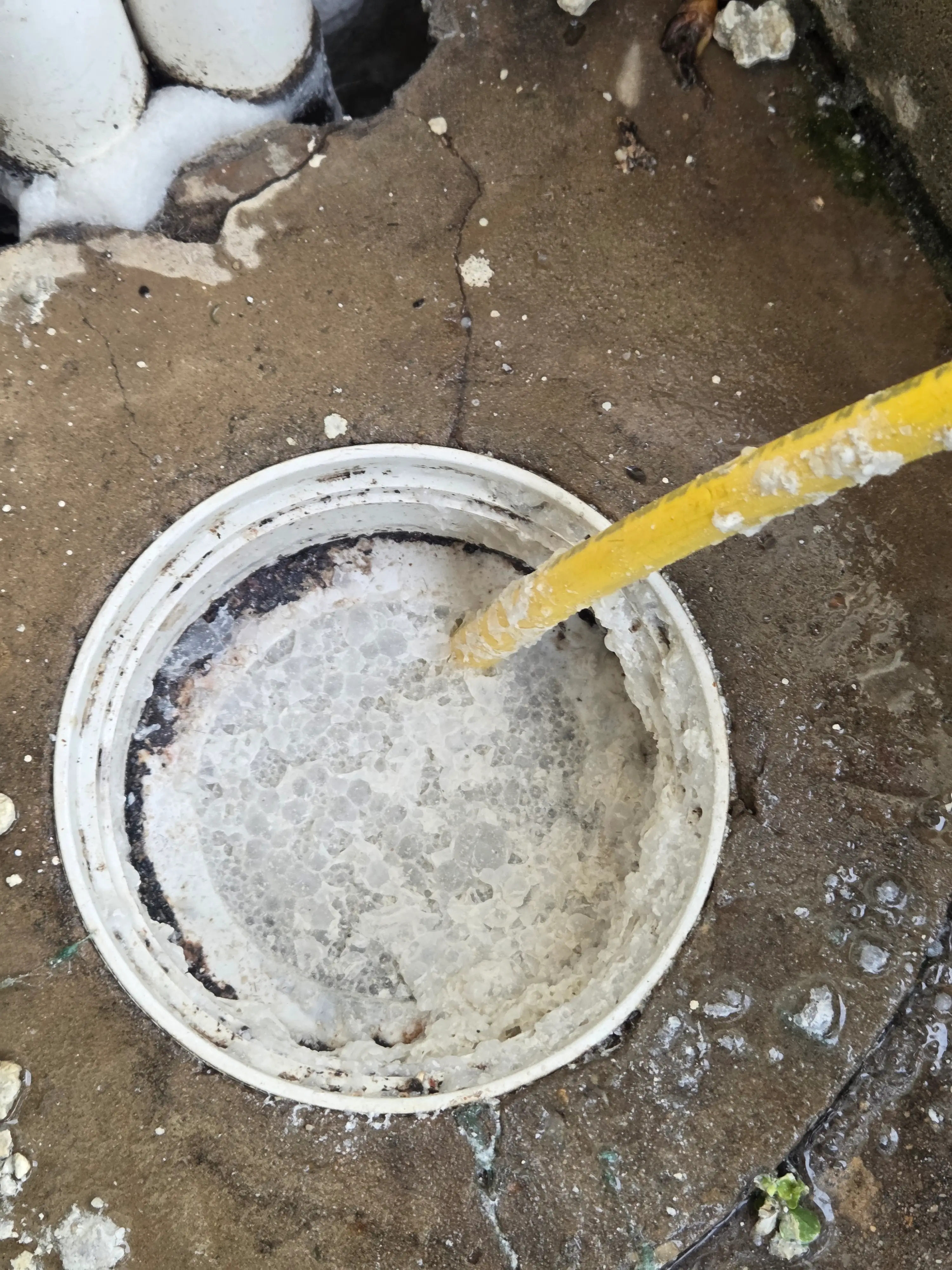
- Grease and fat build-up — common in kitchen lines, narrowing the pipe over time.
- Scale and mineral deposits — hard build-up on the pipe wall that restricts flow.
- Foreign objects — wipes, hygiene products, toys and other items that should never enter a drain.
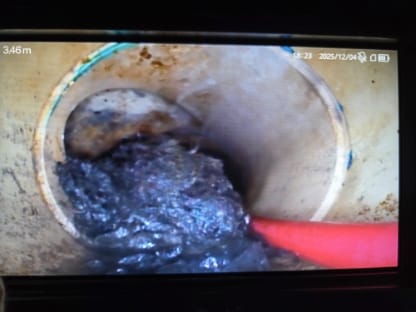
- Silt and debris — accumulated sediment, especially in stormwater lines after storms.
Falls, sags and bellies
Pipes rely on a consistent downward slope, or "fall", to keep waste moving. A camera can reveal where that slope has been lost:
- A sag or belly is a low point where the pipe dips, so water pools instead of flowing through.
- Standing water visible in the footage often signals a belly or a flat section.
- Poor original installation or ground movement in Brisbane's reactive clay soils are common causes.
Learn more in identifying pipe sag and bellies.
Pipe material and connections
The camera also tells you what your pipes are made of — PVC, earthenware, cast iron or other materials — which affects how they age and what repair options suit them. It can show junctions, connections to other lines, and points where different materials meet, which are often where problems begin.
A single inspection can turn "something is wrong with the drain" into a clear, itemised list of exactly what is happening and where.
Turning findings into a plan
Each finding points to a different response. Roots may call for cutting and then relining to seal the entry points. A belly may need re-laying that section. Scale may need mechanical cleaning. Because the inspection shows the type, severity and location of each issue, the resulting repair plan is specific rather than generic. To see how these findings are written up, read reading a CCTV drain report.
If your inspection has raised questions about the best fix, a licensed plumber can talk you through the options — reach out via the contact page or browse available services.