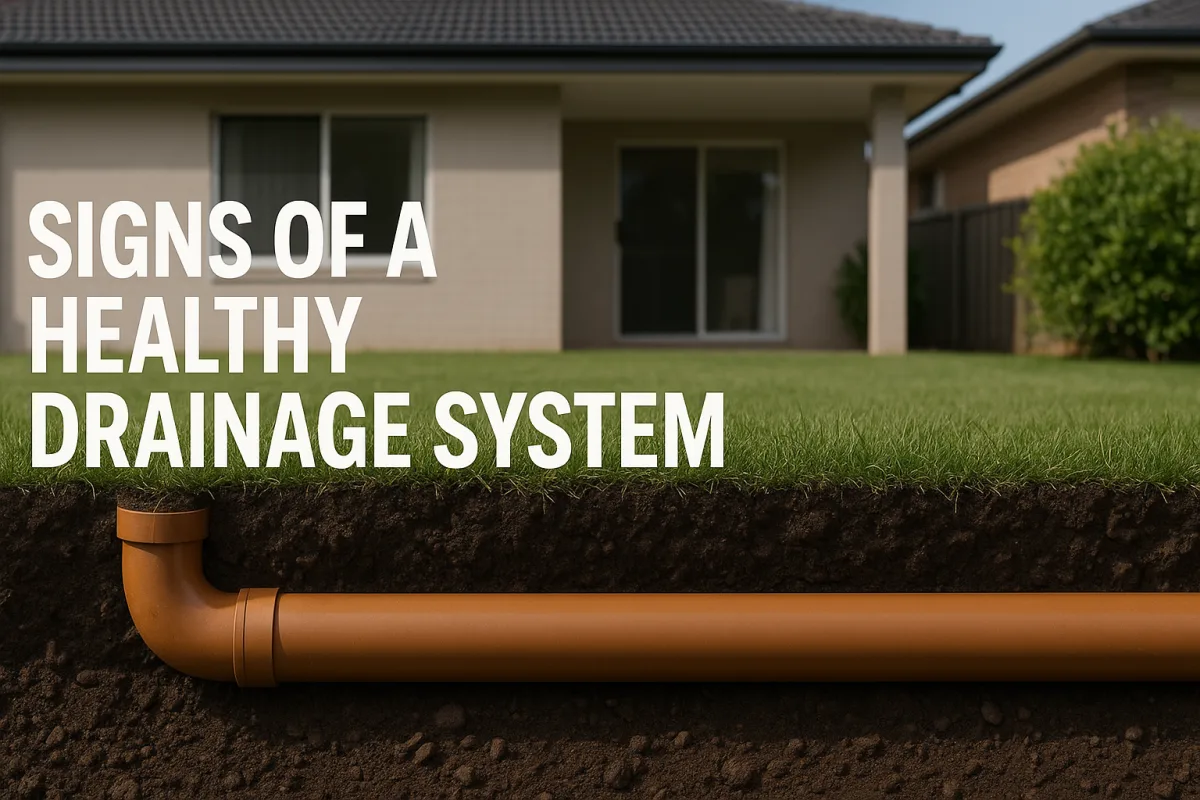
A drainage system does its best work when you never notice it. Water disappears quickly, there are no smells, and nothing gurgles or backs up. Knowing what a healthy system looks like gives you a baseline — so when something changes, you catch it early, while it is still a small, cheap problem rather than an emergency.
This lesson describes the positive signs of good drainage and the early warnings that mean it is time to pay attention.
What "healthy" looks like
A drainage system in good order shares a few reliable traits:
- Fast, full drainage — sinks, basins, showers and toilets empty quickly and completely, without lingering water.
- Quiet operation — no gurgling, bubbling or glugging from fixtures when water drains.
- No odours — healthy traps and vents keep sewer smells out of the house.
- Consistent behaviour — the system performs the same in dry weather and after rain.
- Dry ground — no persistent pooling, damp patches or soggy areas over drainage lines.
If your home ticks all these boxes, your drains are very likely in good shape.
Early warning signs
Problems rarely appear overnight. They usually announce themselves quietly first. Acting on these early signs is the difference between a minor clear and a major repair:
- Slow drainage — water taking longer than usual to disappear suggests a partial blockage forming.
- Gurgling sounds — air struggling through a partly blocked or poorly vented drain.
- Occasional odours — a whiff of sewer smell can mean a dry trap, a venting issue or a build-up in the line.
- Multiple slow fixtures — when several drains slow at once, the problem is likely further downstream in a shared line.
- Rising water in one fixture when another is used — a classic sign of a blockage in a shared branch.
The best time to deal with a drain problem is while it is still just an inconvenience. A slow drain today is often a full blockage next month.
Signs that call for prompt action
Some symptoms mean the problem has advanced and should be looked at without delay:
- Wastewater backing up into sinks, showers or toilets
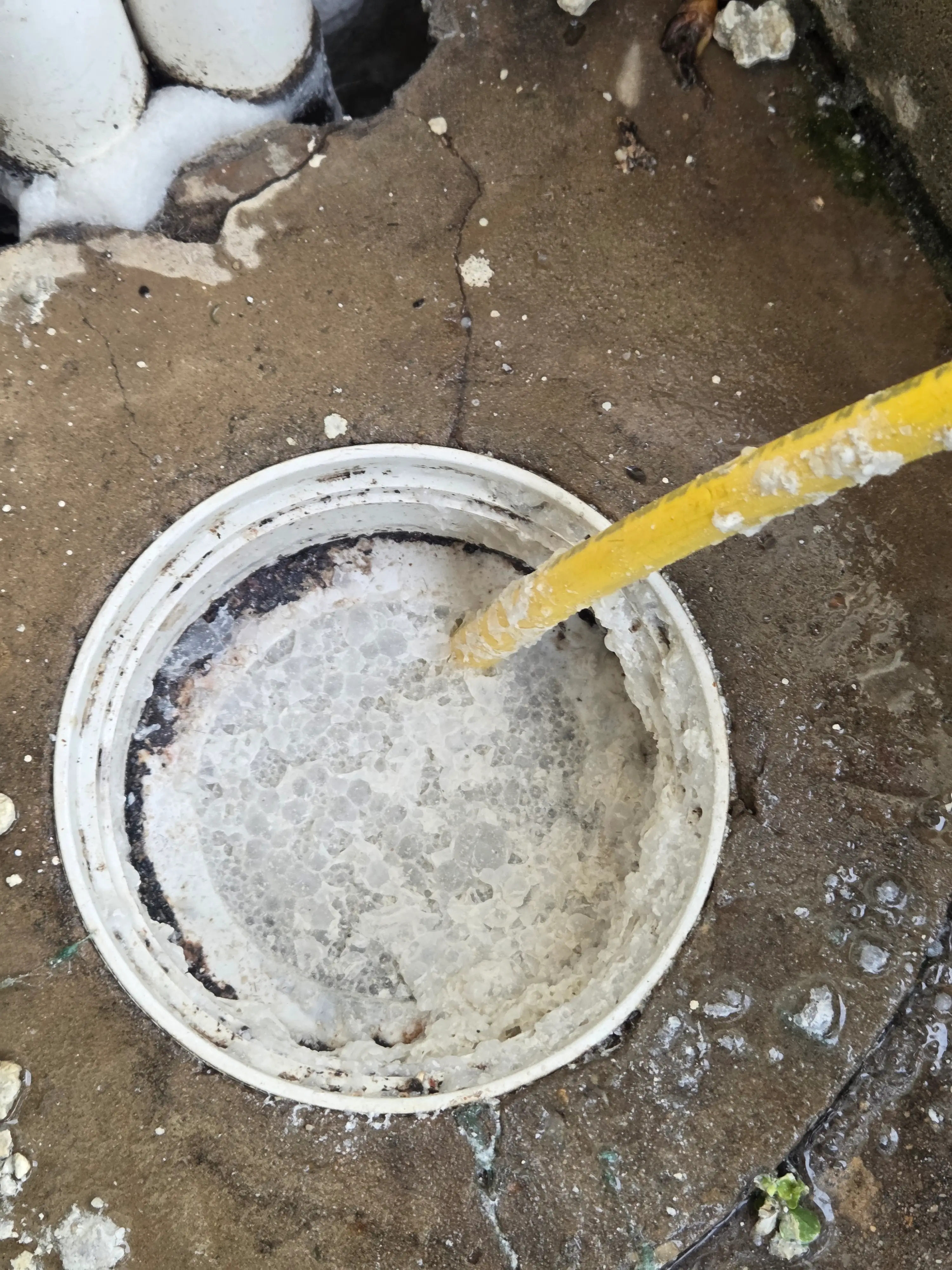
- Overflow from an outside gully during normal use or rain
- Persistent strong odours despite cleaning
- Soggy ground or unusually green patches over the drain line, which can indicate a leak
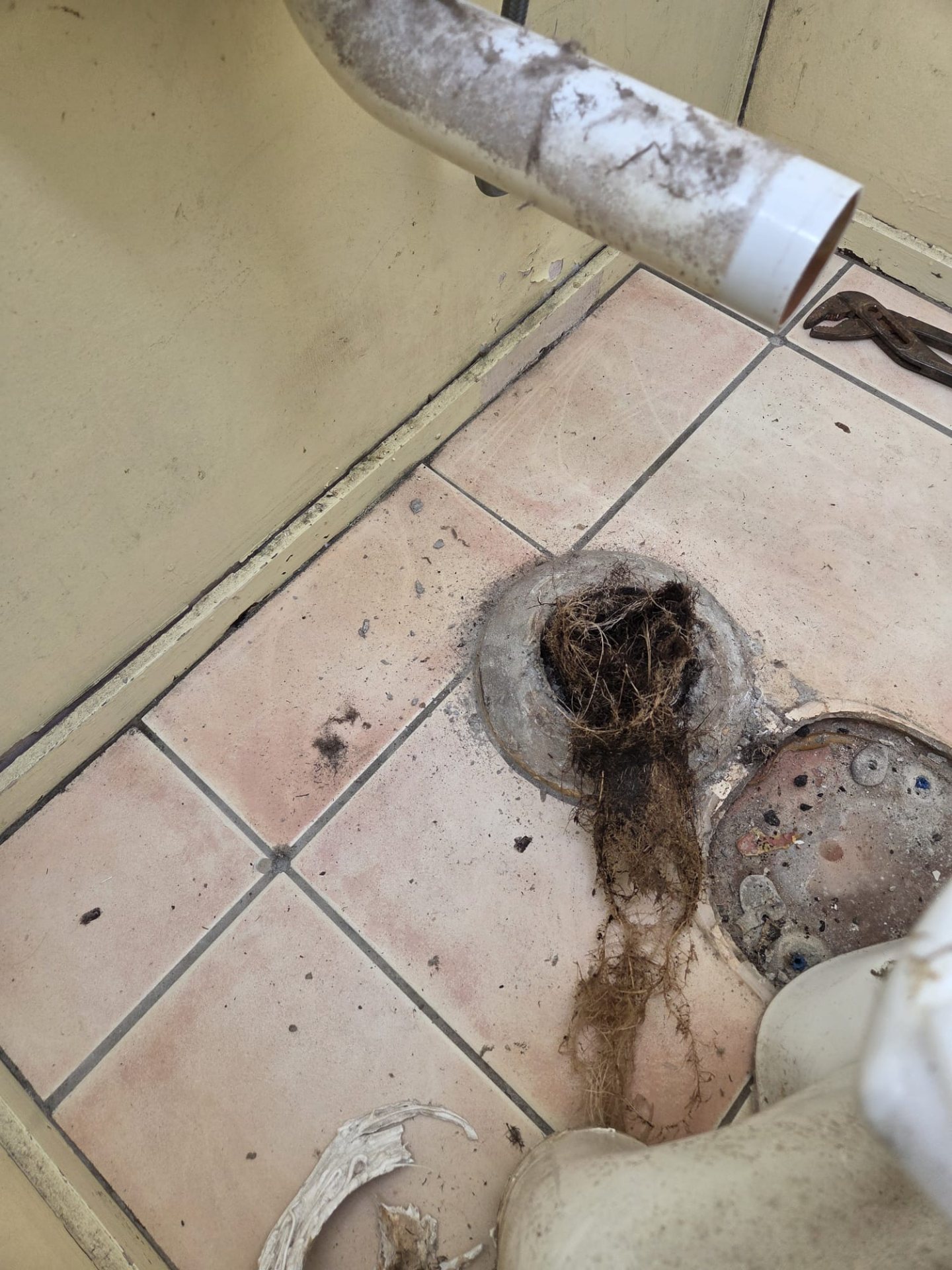
- Repeated blockages in the same spot, which often means an underlying fault like roots or a belly
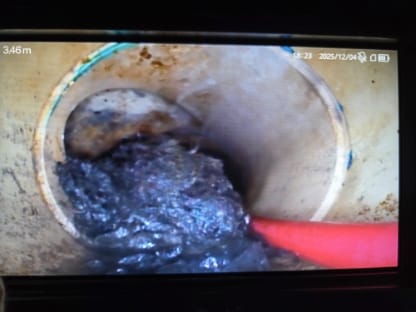
Recurring problems in particular are worth investigating properly rather than clearing again and again. A CCTV inspection can reveal the real cause once and for all.
Simple checks you can do
You can keep an eye on your drains with a few easy habits:
- Watch the water. Notice how quickly fixtures drain and whether that changes over time.
- Listen. A new gurgle when the washing machine empties or a toilet flushes is worth noting.
- Use your nose. Track down any recurring odour rather than masking it.
- Check outside. After rain, look for pooling or damp patches over where you know pipes run.
- Run rarely-used fixtures. Pouring water down a seldom-used floor waste or laundry tub keeps its trap sealed against odours.
Building a baseline
The real value of these checks is comparison over time. When you know how your drains normally behave, a change stands out immediately. Many homeowners only notice a problem when it becomes dramatic — but the earlier, subtler signs were usually there for weeks. Paying gentle attention turns you into the earliest possible warning system for your own home.
If you notice any of the warning signs described here and want them checked, a licensed plumber can diagnose the cause before it escalates. You can reach DrainSpy Brisbane through the contact page, or explore the services available.