Drainage systems everywhere face wear and tear, but Brisbane's climate gives local drains a particularly hard time. Intense summer storms, long dry spells, reactive clay soils and vigorous tree growth combine to stress pipes in ways that milder, more stable climates do not. Understanding these local pressures helps you anticipate problems and prepare before the wet season arrives.
This lesson looks at the specific ways Brisbane's weather and ground conditions affect your drains, and what you can do about each.
Heavy summer storms
Brisbane's summer brings sudden, intense downpours that can dump a large volume of rain in a short time. This tests every part of the stormwater system at once:
- Gutters and downpipes can be overwhelmed, causing overflow against walls and foundations.
- Stormwater pipes may reach capacity, leading to surface pooling and slow drainage.
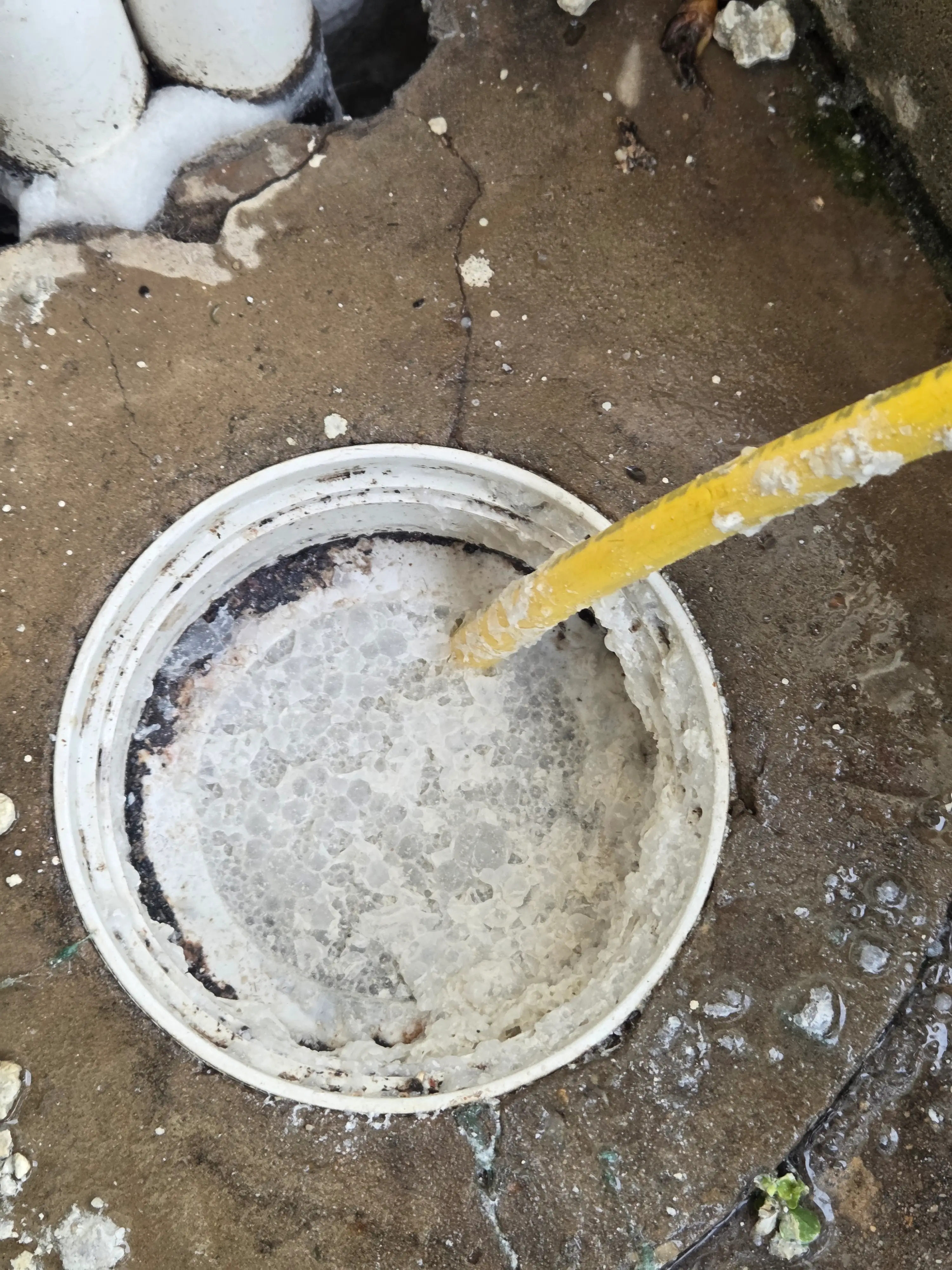
- Debris washed along by the rain can suddenly block outlets and grates.
- In severe events, the sewer network can surcharge where stormwater infiltrates it.
Roof and gutter drainage bears the brunt of these storms, which is why keeping it clear matters so much — see roof and gutter drainage basics for the essentials.
Clay soils and ground movement
Much of Brisbane sits on reactive clay soils that swell when wet and shrink when dry. This constant expansion and contraction moves the ground — and anything buried in it. Over time, that movement can:
- Crack rigid pipes or pull joints apart
- Create bellies or backfalls where a pipe settles unevenly
- Open small gaps that let roots and groundwater in
Reactive clay is one of the quiet, long-term enemies of buried pipework. The damage happens slowly and out of sight, often only revealed when a blockage or leak finally appears.
Older earthenware and early PVC pipes are especially vulnerable, because their joints are less forgiving of movement than modern materials.
Dry spells and tree roots
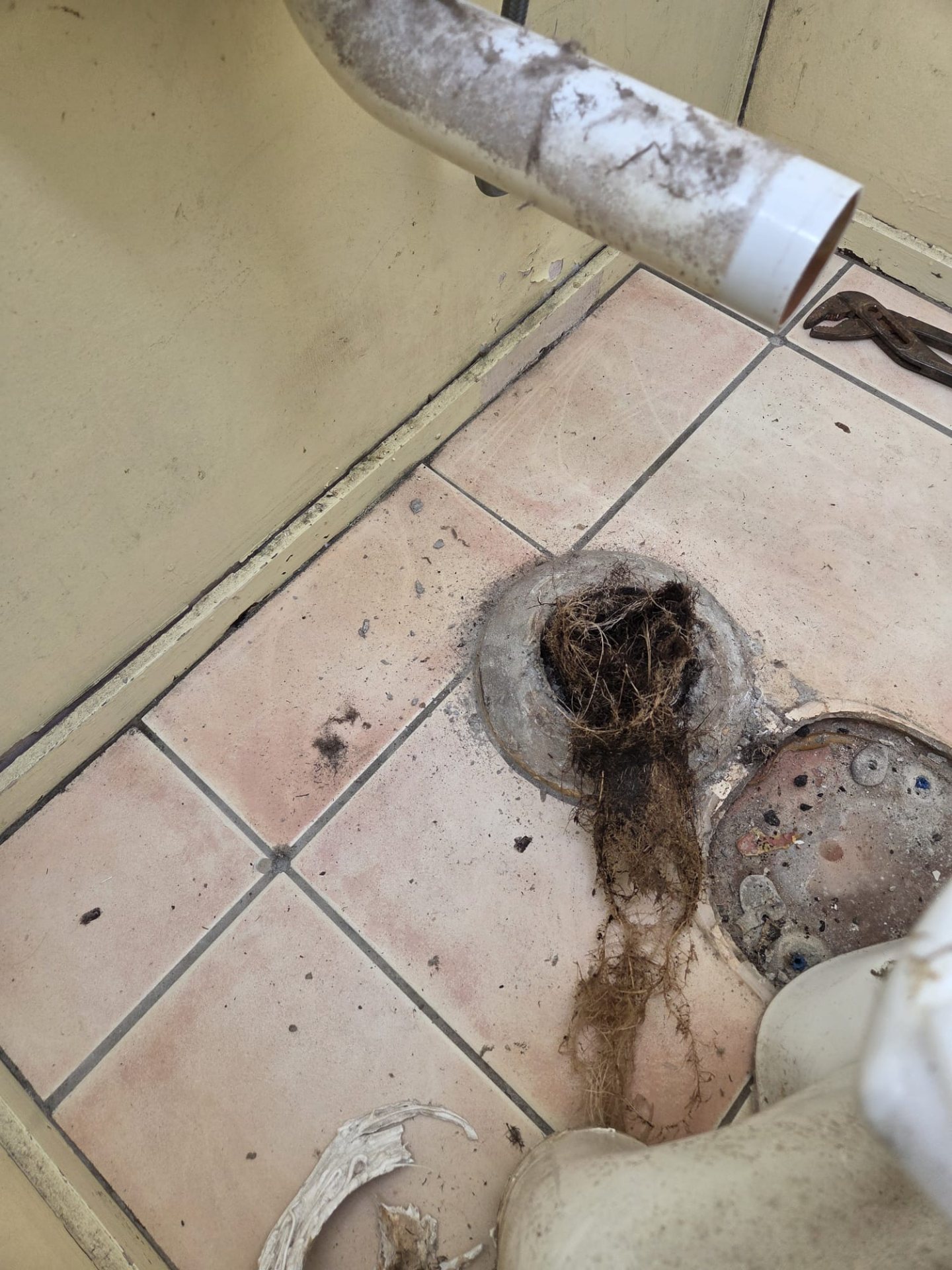
Brisbane's dry periods create their own problems. When soil dries out, trees and shrubs send roots searching for moisture — and the small amount of water and nutrients leaking from a pipe joint is exactly what they seek. Roots exploit tiny gaps, then grow and expand inside the pipe, causing blockages and further cracking.
Drought conditions also worsen clay shrinkage, accelerating the ground movement described above. The combination of thirsty roots and shifting soil makes established, leafy suburbs particularly prone to drain trouble. Managing trees near drainage lines and keeping pipes sealed are the best defences.
The wet-dry cycle
It is not just extreme weather that causes damage — it is the repeated swing between wet and dry. Each cycle flexes the soil and the pipes within it. Over years, this fatigue works joints loose, widens cracks and worsens existing faults. A pipe that copes fine for a decade can fail after a few sharp swings between drought and flooding rain.
Preparing for the seasons
You cannot change the weather, but you can prepare your drainage for it. Practical steps include:
- Before storm season — clear gutters and downpipes, and check that stormwater discharges properly away from the house.
- Check falls and grates — make sure surface drains and pits are clear so water can escape quickly.
- Manage trees — be mindful of planting thirsty species near drainage lines, and address root problems early.
- Investigate recurring issues — if the same drain blocks each wet season, have it inspected to find the underlying cause.
- Direct water away — ensure landscaping and paving slope water away from foundations rather than toward them.
When local conditions cause hidden damage
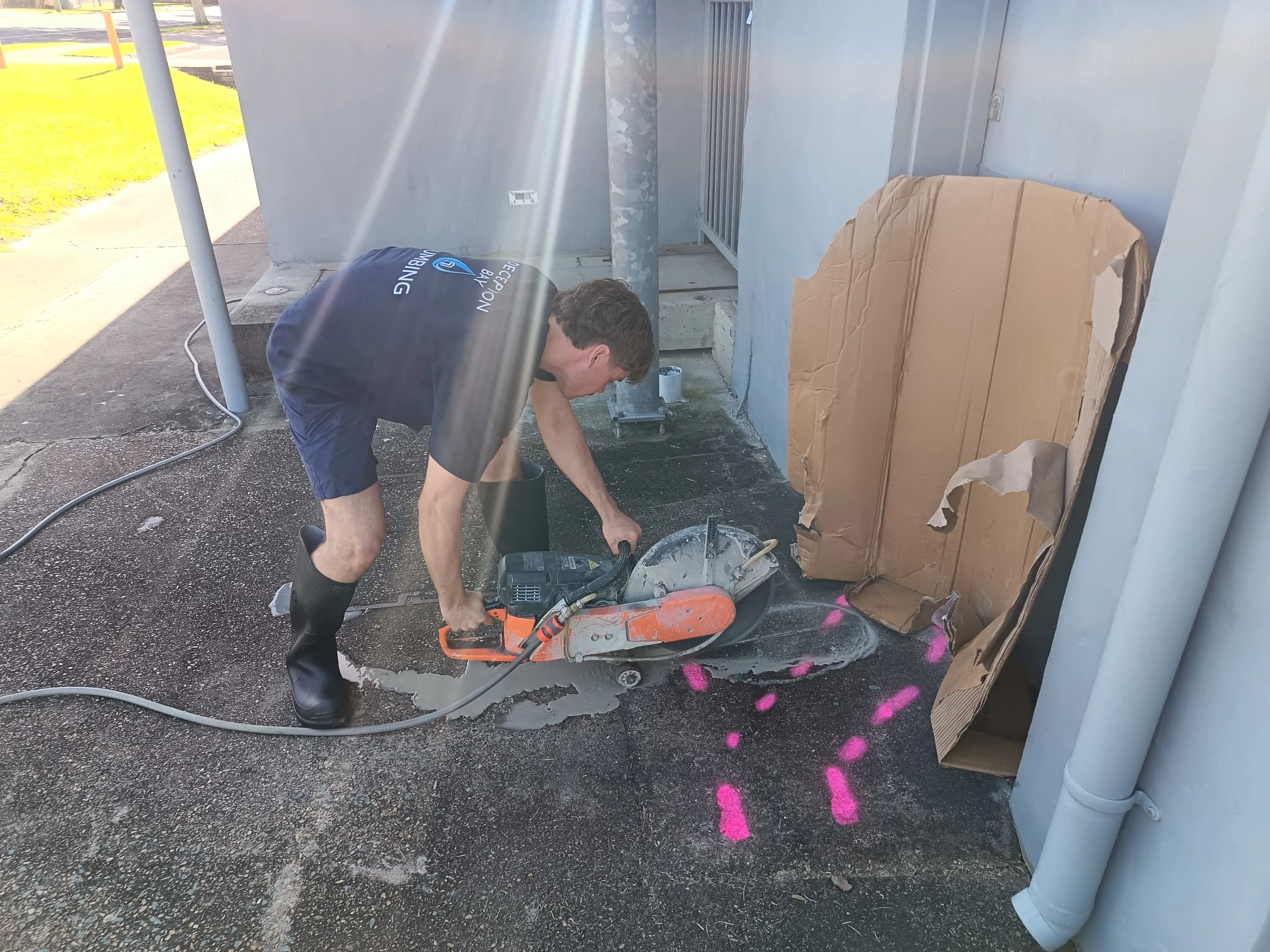
Because much of this damage happens underground and out of sight, it often goes unnoticed until a blockage, smell or pooling water appears. If your property is in an older or leafy Brisbane suburb, or you have noticed drainage getting worse over successive seasons, a camera inspection can reveal what the clay and roots have been quietly doing. You can explore local areas on the suburbs page.
If Brisbane's weather seems to be taking a toll on your drains, a licensed plumber can assess the situation and recommend a fix suited to local conditions. Get in touch with DrainSpy Brisbane through the contact page.