Have you ever noticed pipes sticking up through the roof of a house and wondered what they do? Those are drain vents, and they are essential to a healthy drainage system. Without them, your drains would gurgle, run slowly and let sewer smells into your home — even if every pipe was perfectly clear.
Why drains need to breathe
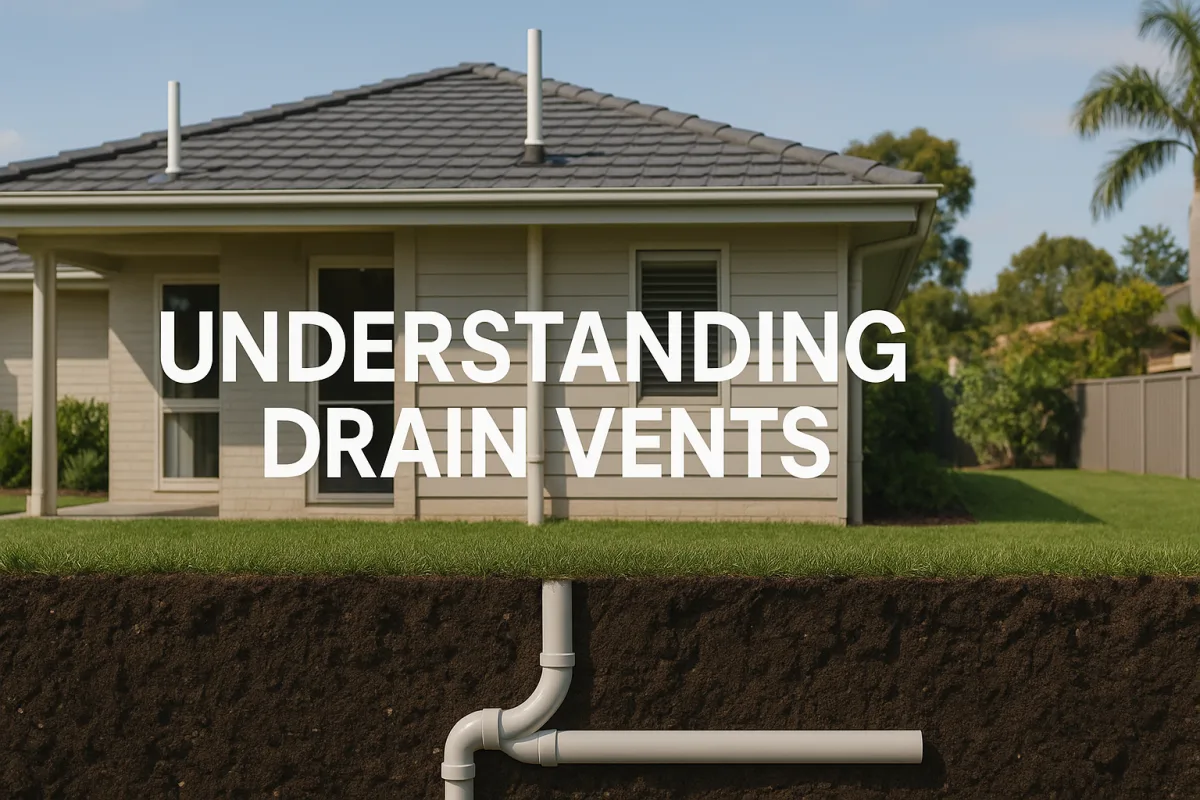
When water flows down a pipe, it pushes air ahead of it and leaves a trailing low-pressure zone behind it. If that air has nowhere to go, two problems arise: the flow slows because it is fighting trapped air, and the low pressure behind the water can suck the seals out of nearby traps. Vents solve both problems by connecting the drainage system to the open air, usually above the roofline.
Think of it like pouring liquid from a can. If there is only one hole, the liquid glugs out unevenly as air fights its way back in. Punch a second hole and it pours smoothly. A vent is that second hole for your drains.
Vents do not carry water — they carry air. By letting the system breathe, they keep water moving and trap seals intact.
How vents protect trap seals
As covered in what is a drain trap, every fixture relies on a water seal to block odours. When a large volume of water rushes past a branch, it can create suction strong enough to pull that seal down the drain — a process called siphoning. A properly placed vent relieves the suction by admitting air, so the seal stays put. This is why venting and trapping are really two halves of the same system.
Types of venting
Drainage systems use vents in a few configurations:
- Stack vents — the top of a vertical waste stack extended above the roof.
- Branch and group vents — pipes that vent one or more fixtures back to the main vent.
- Relief vents — extra vents that help balance pressure on larger or more complex systems.
The exact arrangement is governed by plumbing regulations and should be designed and installed by a licensed plumber. The goal is always the same: enough air, in the right places, to keep pressure balanced.
Signs of a venting problem
A blocked, undersized or missing vent produces telltale symptoms:
- Gurgling drains — air being pulled through trap seals makes a bubbling sound as fixtures drain.
- Slow drainage — fixtures empty sluggishly because trapped air resists the flow.
- Sewer smells — if seals are being siphoned dry, odours drift into the home.
- Bubbling toilets — the water level in the pan rises and falls as pressure fluctuates.
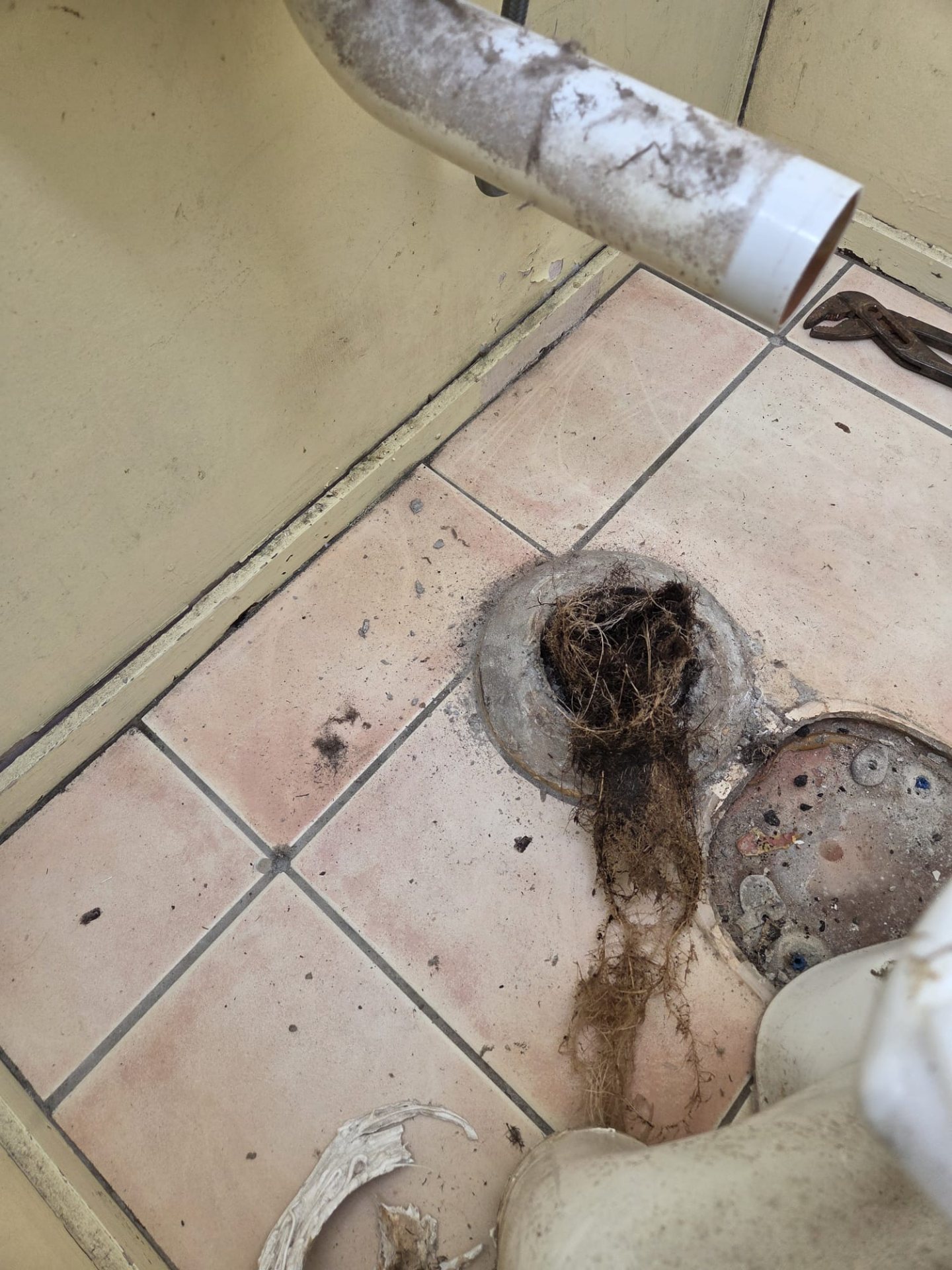
These symptoms overlap with those of a partial blockage, which is why a proper diagnosis matters. A blocked vent can sometimes be caused by leaves, a bird's nest, or debris at the roof opening; other times the venting was never adequate for the fixtures it serves.
Vents and the Brisbane climate
Local conditions can affect vents in small but real ways. Leaves from surrounding trees can gather at roof openings, and heavy storms can wash debris into exposed vent terminals. It is also worth remembering that the vent is part of the same system as the roof and gutters, so vent work is often best considered alongside general roof and stormwater maintenance.
Leave venting to the professionals
Because venting is tied to pressure balance and health protection, changes to the vent system are regulated work. Adding a fixture, extending a drain or renovating a bathroom all have venting implications. If you are experiencing gurgling, slow drains or smells that a clear trap does not fix, the vent is a prime suspect and worth having checked.
A licensed plumber can assess whether your drainage is properly vented and put things right if it is not. To discuss symptoms or plan renovation work, reach out through the contact page or browse the range of services.