Walk around the outside of most homes and you will find a grated dish set into the ground, usually near a wall, often collecting the odd leaf. This is a gully trap, and although it looks humble, it plays two important safety roles in the sewer system: it blocks odours and provides a safe overflow point outside the house.
What a gully trap is
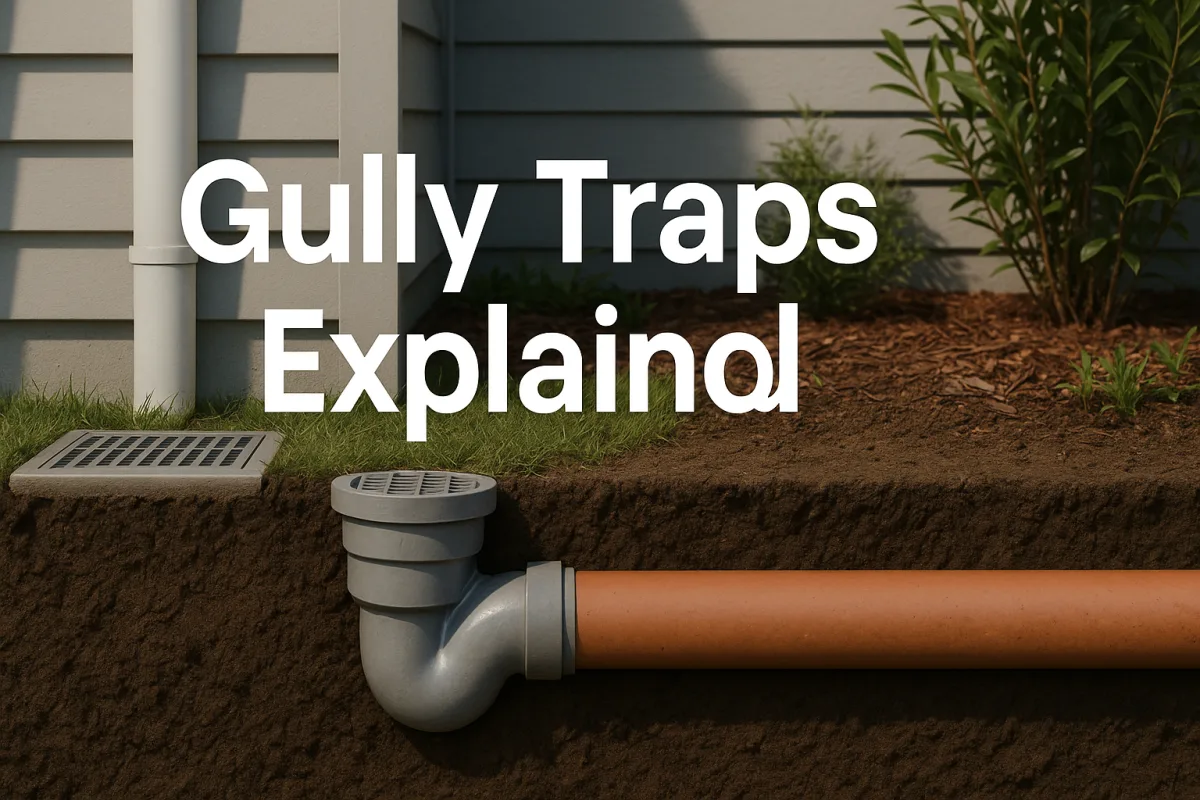
A gully trap is a water-sealed fitting installed at ground level, usually outdoors. Certain wastewater fixtures — often the ones that produce grey water, such as basins, baths, showers and laundry tubs — can discharge through the gully. Like the trap under your sink, it holds a water seal in a bend below the grate, and that seal is what stops sewer gases escaping into the yard. If you have read what is a drain trap, the principle will be familiar.
How the water seal works
Water flowing into the gully passes through the trap and on into the sewer drain, but a plug of water always remains in the bend. Because gases cannot pass through water, that seal keeps sewer odours contained. The grate on top lets water in while keeping out leaves and larger debris — at least when it is kept clean.
A gully trap is a guard at the boundary between your home's waste and the open air — a small pool of water doing a big job.
The overflow role
The second job of a gully trap is arguably its most important. The rim of the gully is designed to sit at a specific height — below the level of the lowest fixture inside the house but above the surrounding ground. This clever arrangement means that if the sewer drain blocks and backs up, wastewater surcharges out of the gully outside, onto the ground, rather than backing up into the house through a shower or floor waste.
In other words, the gully sacrifices a bit of the yard to protect your living spaces from a sewage backup. This is why the correct height of a gully is important, and why it should never be raised, paved over, or buried.
Keeping a gully trap healthy
Because it is open to the weather, a gully trap needs a little routine care:
- Keep the grate clear. Regularly remove leaves, dirt and debris so water can enter freely — especially important before Brisbane's storm season.
- Do not pave over or bury it. Covering a gully defeats its overflow function and hides a developing problem.
- Watch the seal. A dry gully that is rarely used can lose its water seal to evaporation and start to smell; a splash of water refreshes it.
- Keep the surrounds tidy. Mulch, soil and garden growth can gradually raise the ground around a gully, undermining its height relationship with the fixtures inside.
Signs of a gully problem
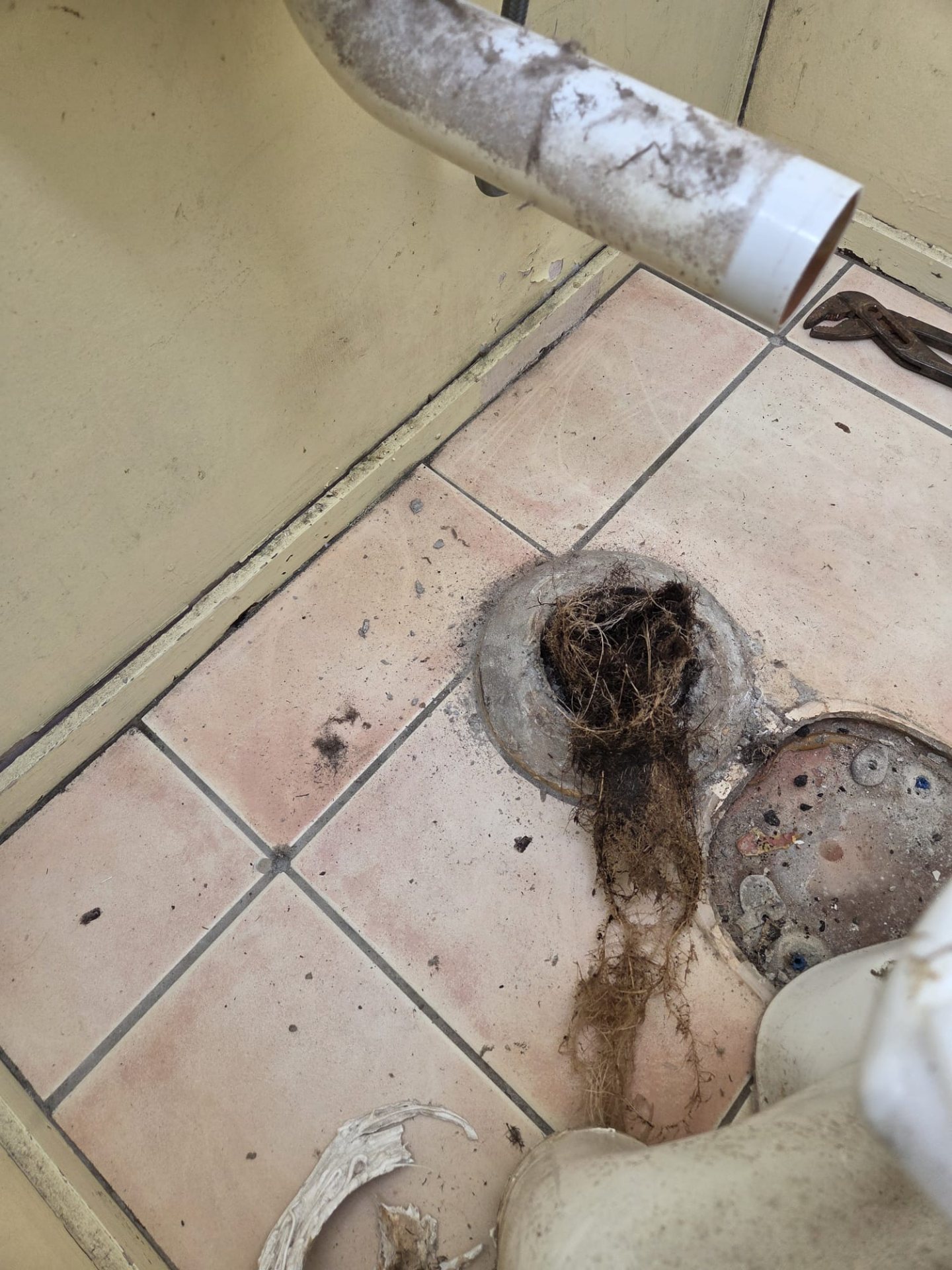
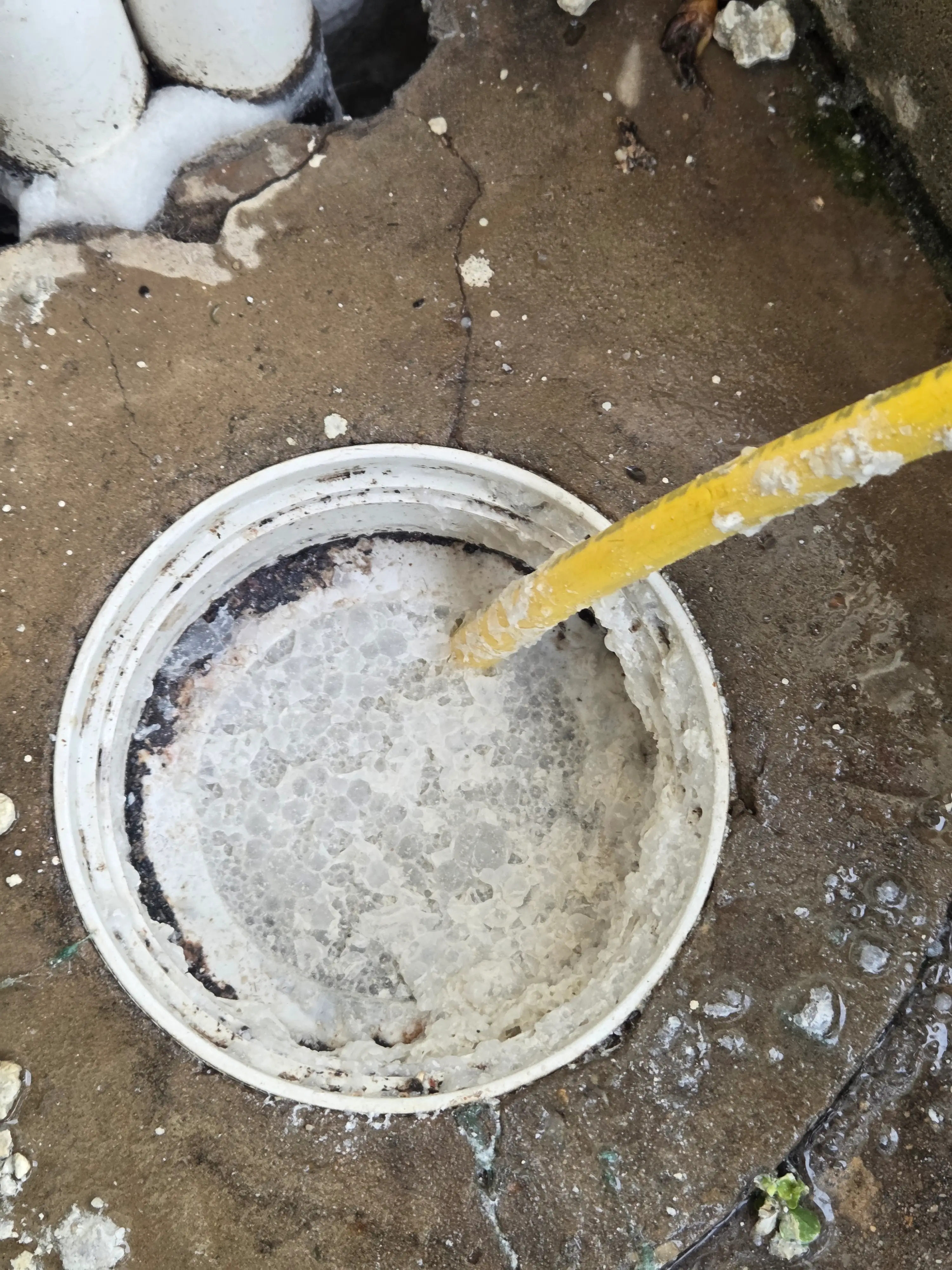
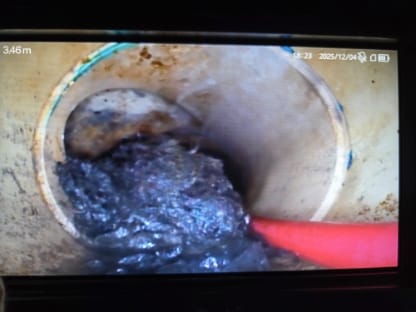
A few symptoms suggest a gully needs attention: a persistent smell around the gully (often a lost seal), water pooling and not draining away (a possible blockage downstream), or wastewater surcharging from the gully during use (a sign the sewer drain is blocked and the gully is doing its overflow job). That last one is actually the system working as intended — but it is also a clear signal to get the drain cleared promptly.
The takeaway
A gully trap is a quiet guardian: it keeps odours out and, crucially, keeps a sewer backup outside your home rather than inside it. Understanding its role explains why keeping it clear and at the right height genuinely matters.
If your gully is smelling, overflowing, or has been covered over, a licensed plumber can put it right. Get in touch through the contact page or explore the available services.