Drainage sits on a spectrum. At one end are simple maintenance tasks any homeowner can safely handle; at the other are jobs that legally require a licensed professional and can cause serious harm or damage if done wrong. Knowing where the line falls protects your home, your safety and your wallet — and keeps you on the right side of the rules.
This lesson explains what you can reasonably do yourself, when to call a licensed drainer or plumber, and why licensing matters so much in this trade.
What you can usually do yourself
Plenty of routine drainage care is safe DIY, provided you work sensibly and safely:
- Clearing leaves and debris from gutters and downpipes (with safe ladder use)
- Keeping outside grates, pits and gully traps clear of debris
- Using a plunger on a simple, isolated fixture blockage
- Cleaning removable sink and shower strainers and traps you can reach
- Flushing rarely-used fixtures to keep their traps sealed
- Watching for and noting early warning signs
These tasks are about maintenance and prevention. They do not involve altering the drainage system itself.
When to call a professional
Once a job goes beyond simple maintenance, it is time for a licensed drainer or plumber. Call one when you face:
- Recurring or stubborn blockages that keep coming back or do not clear with a plunger
- Wastewater backing up into sinks, showers or toilets
- Multiple fixtures affected at once, which points to a deeper problem
- Suspected broken, cracked or collapsed pipes
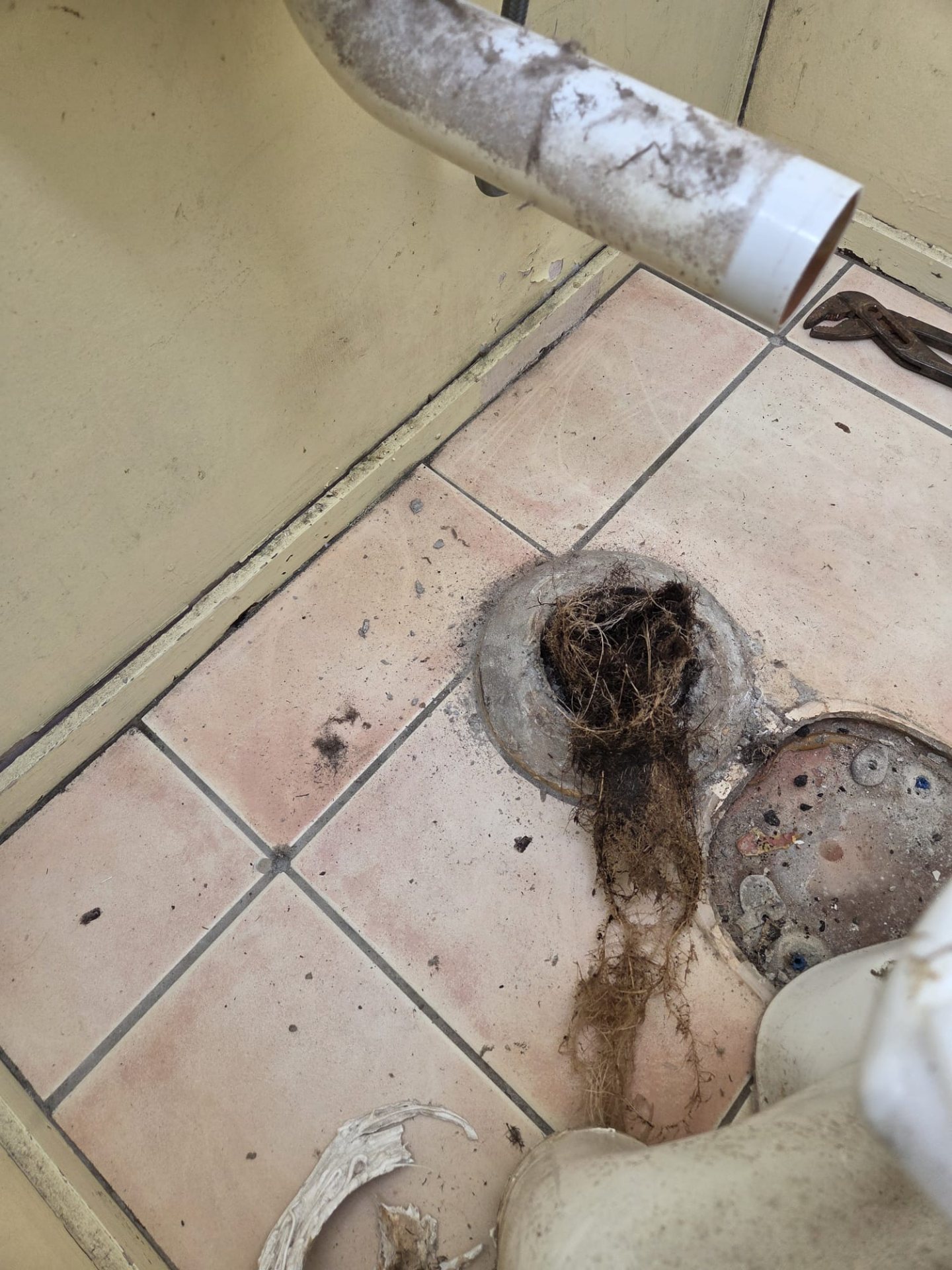
- Root intrusion or persistent problems in older lines
- Any work that alters, adds to or connects drainage, such as new fixtures, extensions or repairs
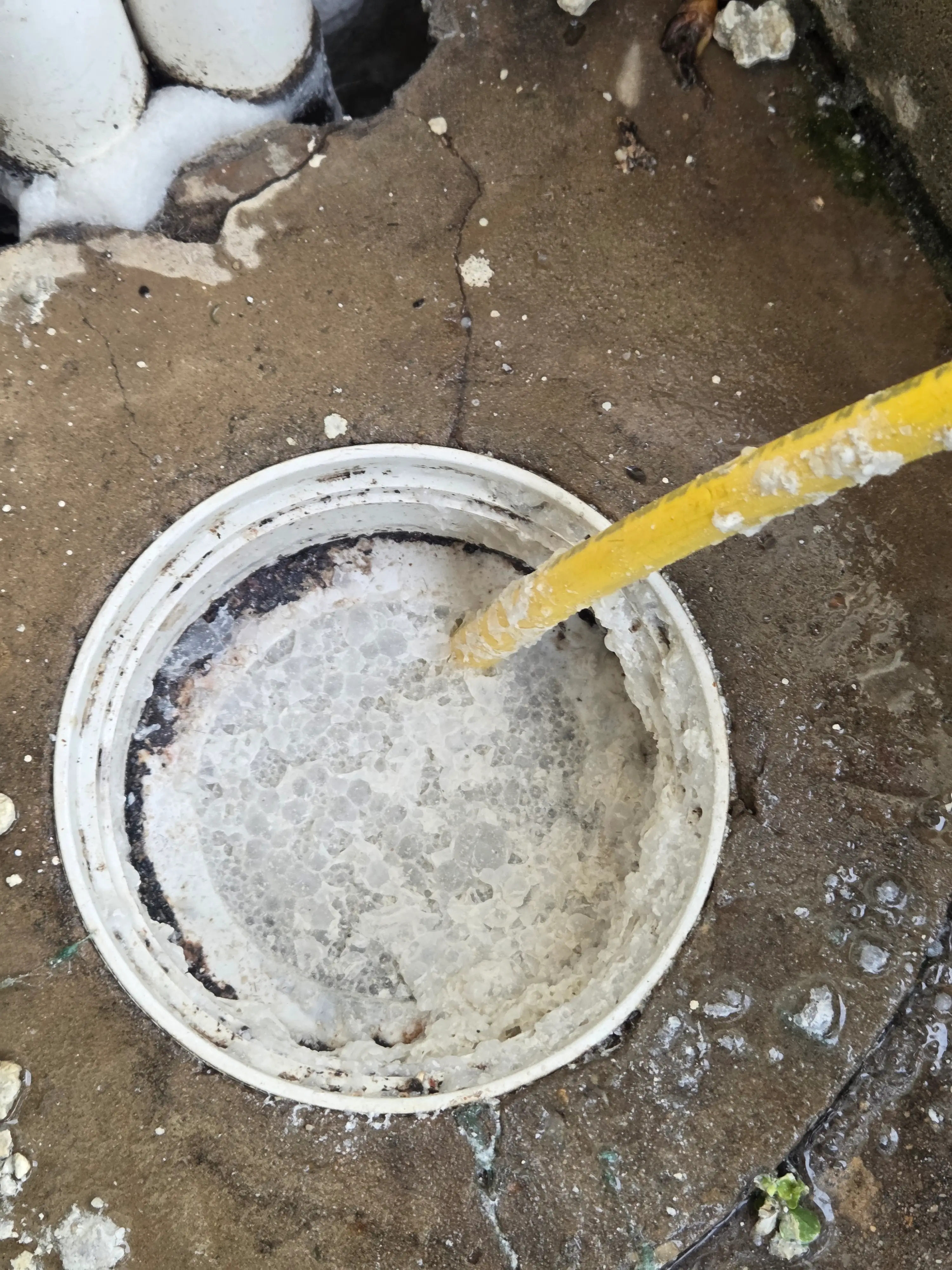
- Sewer smells, overflows or anything involving raw wastewater
A good rule of thumb: if the job involves opening up, altering or repairing the drainage system — rather than simply clearing or cleaning it — it is work for a licensed professional.
Why licensing matters
Drainage and plumbing are licensed trades for good reasons. Getting the work wrong can contaminate drinking water, release sewage, damage property, or create health hazards. Licensing exists to protect you and the wider community. Using a licensed professional means:
- The work is done to recognised standards and legal requirements
- The person is trained and accountable for the work
- You have proper documentation for insurance and future sale
- Risks to health and property are minimised
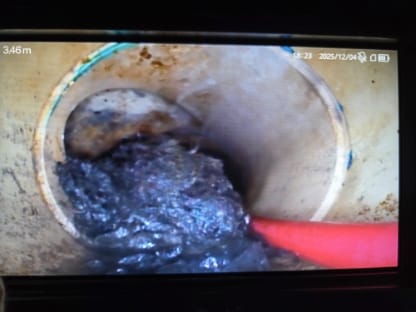
Beyond the legal side, licensed drainers have the equipment — cameras, locators and specialist tools — to diagnose and fix problems properly rather than guessing. The CCTV Drain Inspections series shows how that technology reveals the true cause of a fault.
What to expect when you call
Knowing what a professional visit involves takes the mystery out of picking up the phone. Typically:
- You describe the symptoms — when the problem started, which fixtures are affected, and any patterns.
- They investigate — inspecting the site and, for underground issues, often using a camera to see inside the pipes.
- They explain the cause — in plain terms, showing you what they have found where possible.
- They recommend a fix — matched to the actual problem, whether that is a clear, a repair or something more.
A trustworthy drainer will happily explain their findings and let you make an informed decision, rather than pressuring you.
Do not delay on serious signs
Some situations should not wait. Raw sewage backing up, widespread flooding of drains, or strong persistent odours are health and property risks that warrant prompt professional attention. Acting quickly limits damage and cost. When in doubt, it is always reasonable to ask a professional for advice.
If you are unsure whether your situation is DIY or a job for a professional, DrainSpy Brisbane is happy to help you work it out. Reach out through the contact page, browse the services available, or see examples of past work on the projects page.