Look under any sink and you will see a curved section of pipe shaped like a U or an S. That is a drain trap, and despite its simplicity it performs one of the most important jobs in your home: it stops foul sewer gases from drifting up through your fixtures and into the rooms you live in.
How a trap works
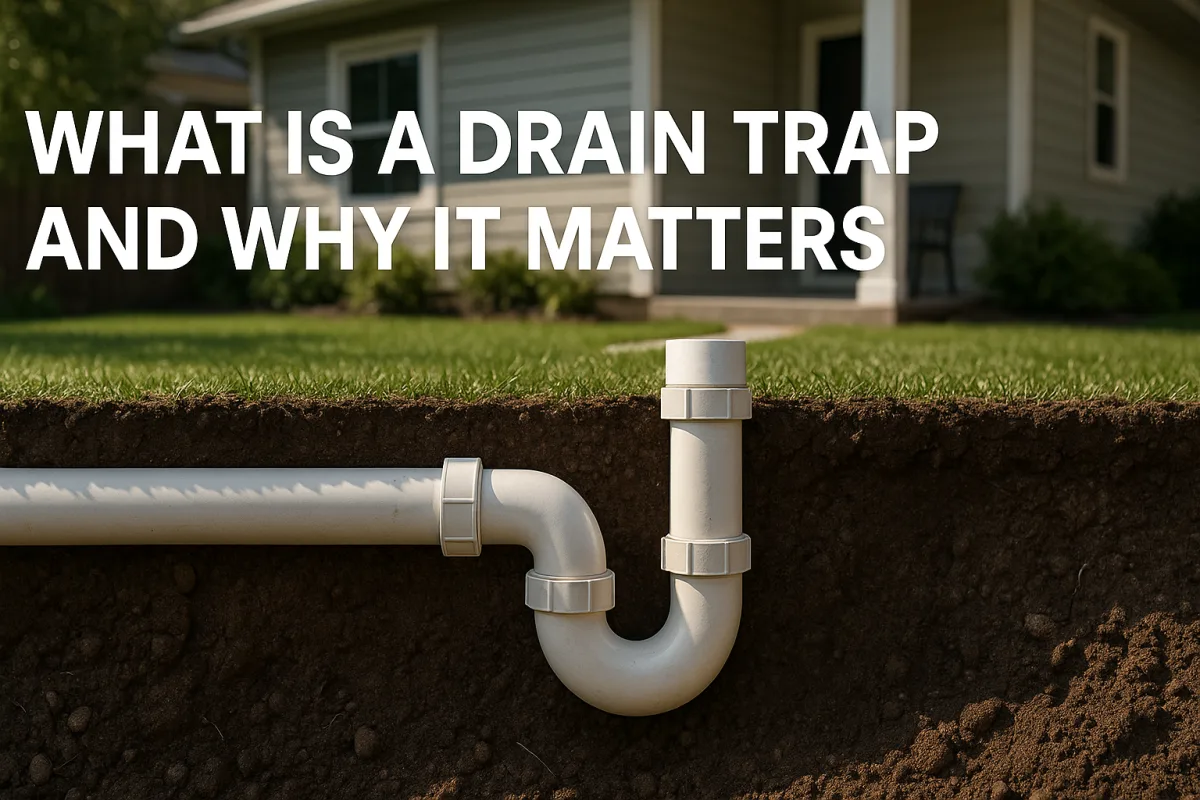
The trick is a small amount of water. The bend in the pipe holds a plug of water — the water seal — that sits permanently in the low point of the U. Waste water flows through and over this seal, but the seal itself never fully drains away. Because gases cannot pass through water, the seal acts as a barrier between the sewer and your home.
Every time you use the fixture, fresh water refreshes the seal. When the fixture is idle, the seal quietly stays in place, holding the line against odours. It is a beautifully simple piece of engineering with no moving parts.
A trap is just a spoonful of water held in a bend — but that spoonful is the only thing standing between you and the smell of the sewer.
Common types of trap
Traps come in a few standard forms, each suited to a situation:
- P-trap — shaped like a sideways P, with the outlet running horizontally into the wall. This is the most common and generally preferred design.
- S-trap — the outlet runs vertically down through the floor. Older homes often have these, but they are more prone to self-siphoning.
- Bottle trap — a compact cylindrical trap often used under basins where space is tight.
- Floor waste and gully traps — larger traps set into floors and the ground, protecting drains that serve showers, laundries and outdoor areas.
Why traps lose their seal
A trap only works if the water seal is intact. Several things can break it:
- Evaporation — a fixture that is rarely used, such as a spare bathroom or floor waste, can slowly dry out, letting odours rise. This is common after a home has been vacant.
- Self-siphoning — a fast rush of water can pull the seal out behind it, especially with S-traps or where venting is poor.
- Induced siphoning — water flowing in another pipe can create suction that draws a nearby trap dry, often a sign of a venting problem.
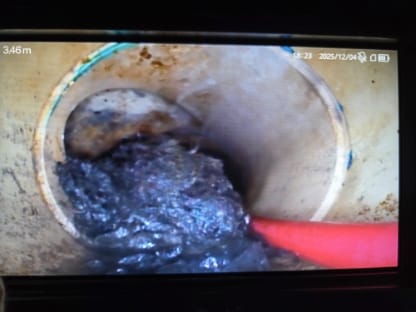
- Blockages and back-pressure — a partial clog downstream can push air and gases back through the seal.
Many of these issues connect to the venting system, which balances air pressure so seals are not siphoned away. That relationship is explained in understanding drain vents.
Signs of a trap problem
The classic symptom of a failed trap is a persistent sewer smell near a particular fixture, even when it is clean. Other clues include gurgling as the fixture drains, or odours that come and go with the weather or with the use of other fixtures nearby. If a smell appears near a rarely-used floor waste, the simplest first step is often to pour water down it to refill the seal.
Keeping traps healthy
A few easy habits help traps do their job:
- Run water through rarely-used fixtures and floor wastes every few weeks to top up the seal.
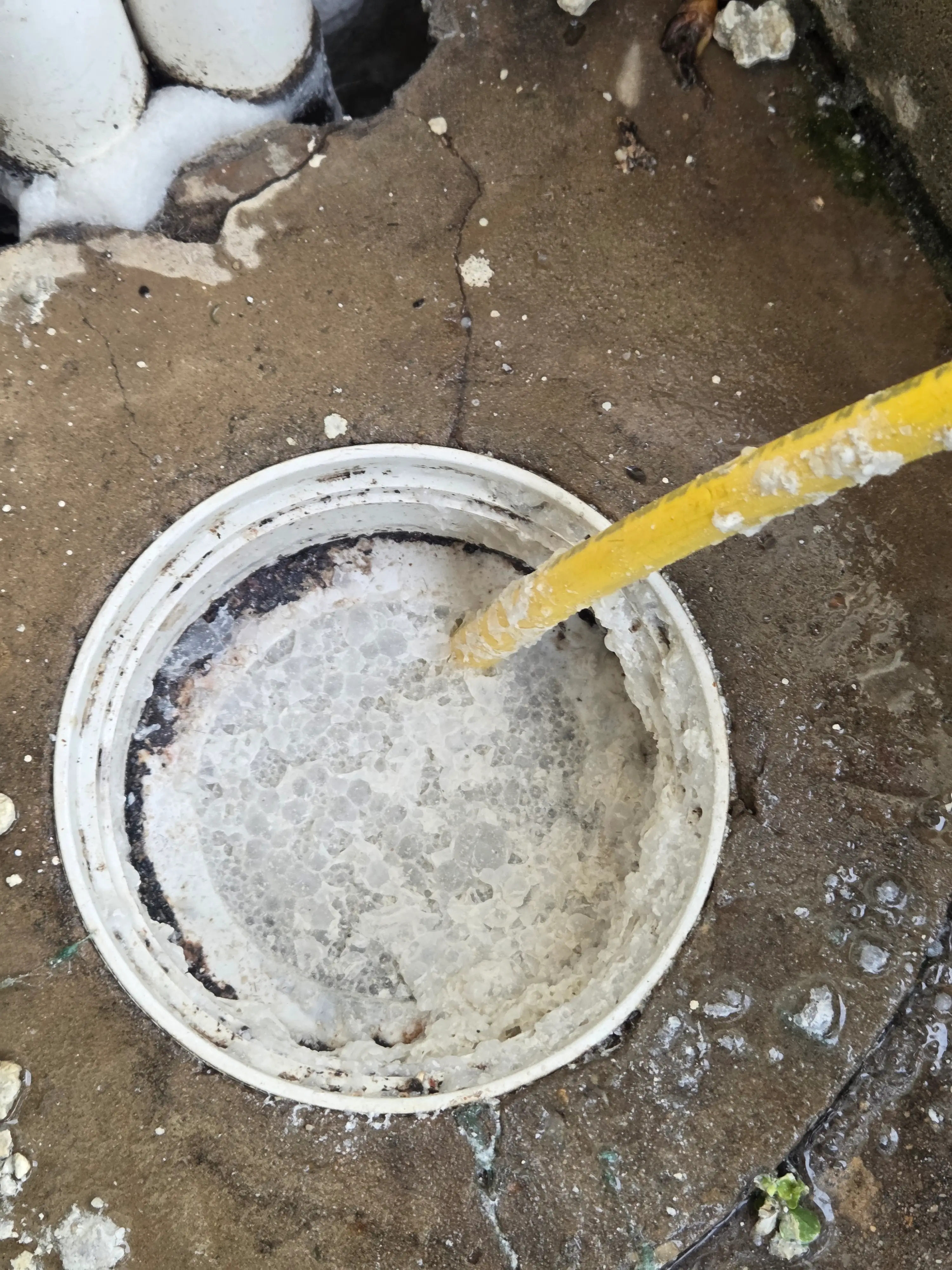
- Avoid pouring fats, oils and grease down the kitchen sink, as these build up in the trap and beyond.
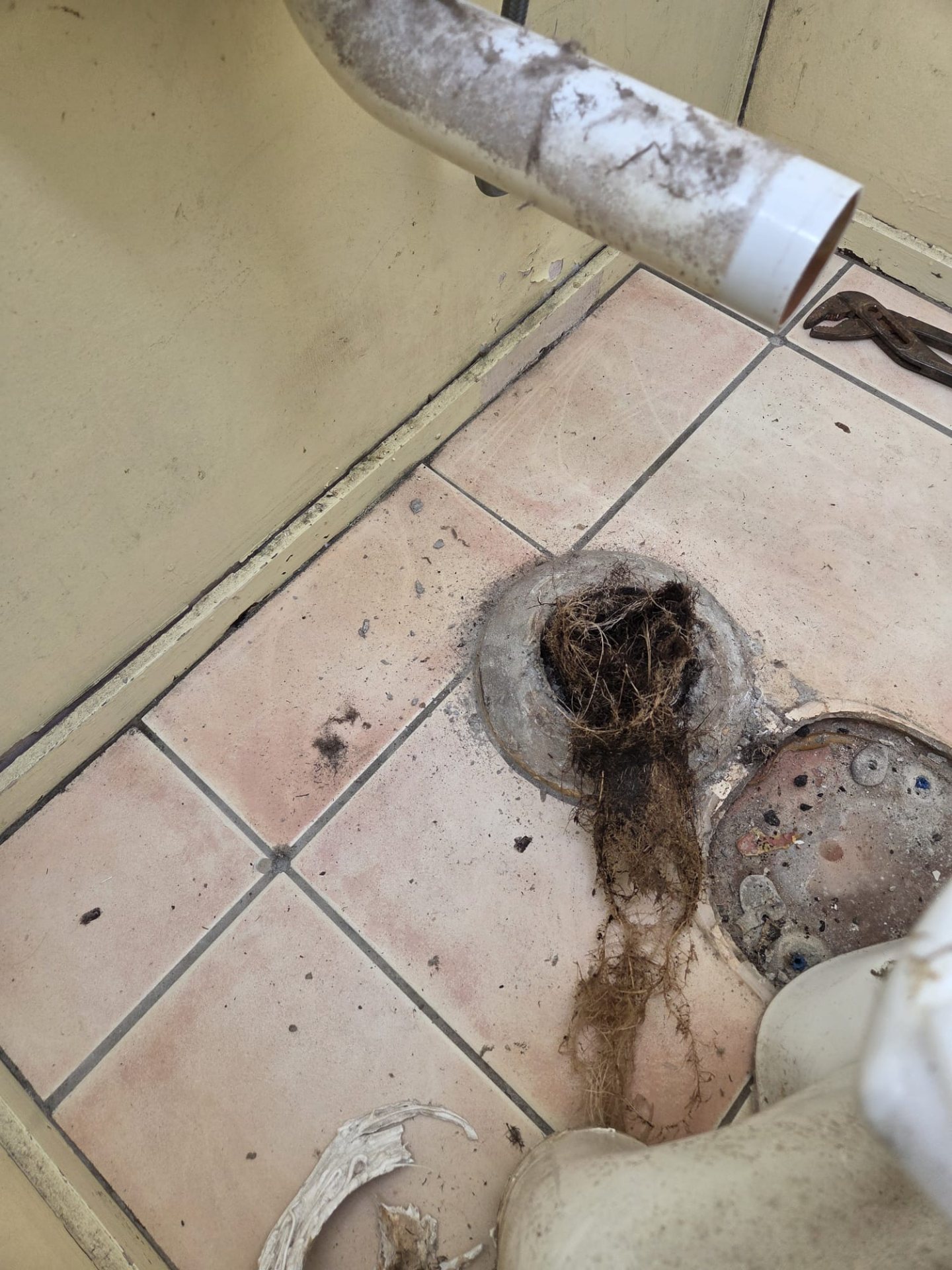
- Use drain strainers to keep hair and food scraps out of the trap.
- If smells or gurgling persist after refilling a seal, have the venting and drain checked rather than masking the smell.
Traps are simple, but a persistent smell or gurgle can point to a deeper venting or blockage issue that is worth investigating properly. If you are dealing with stubborn drain odours, a licensed plumber can find the cause — you can get in touch via the contact page or explore the available services.