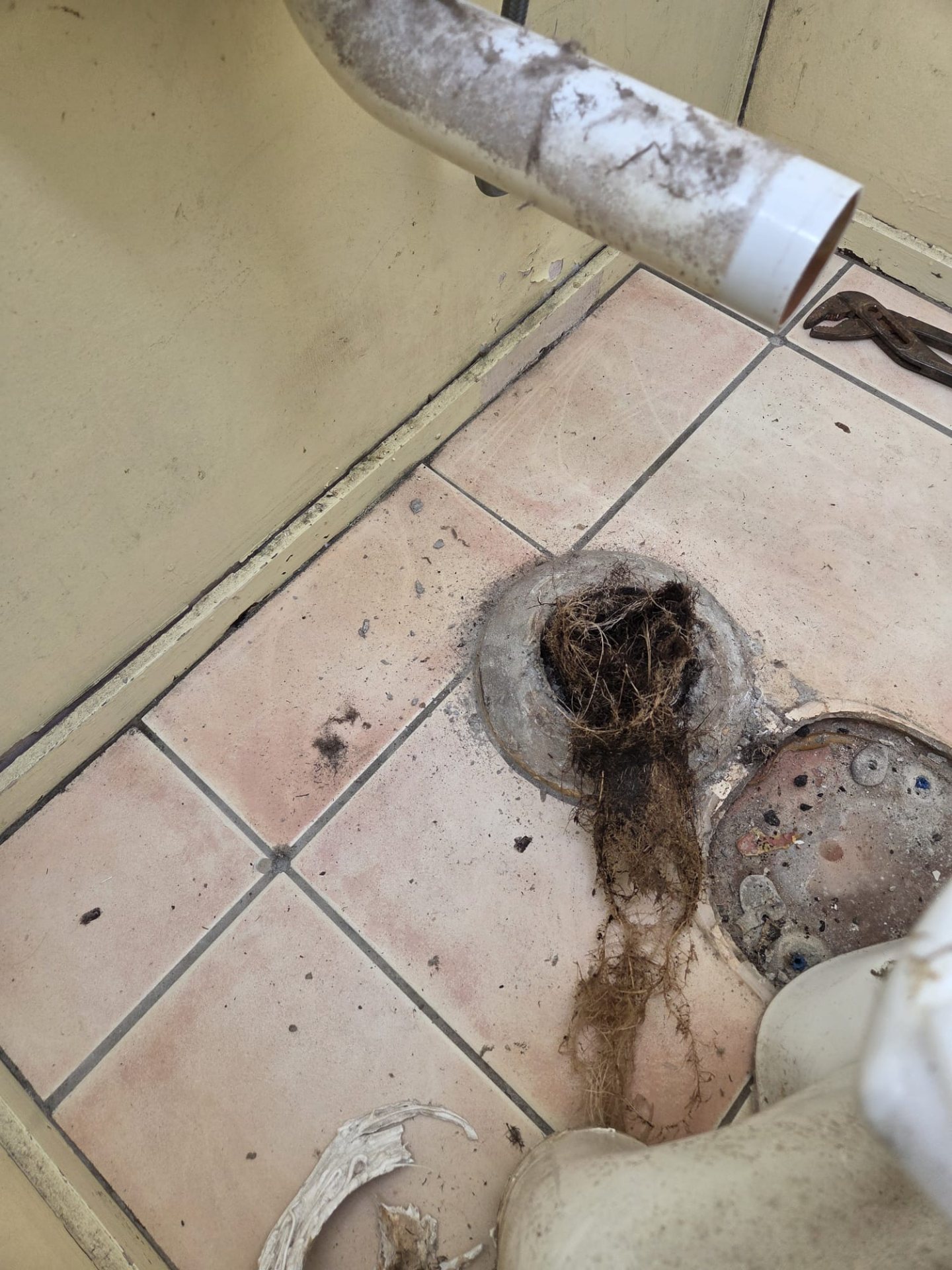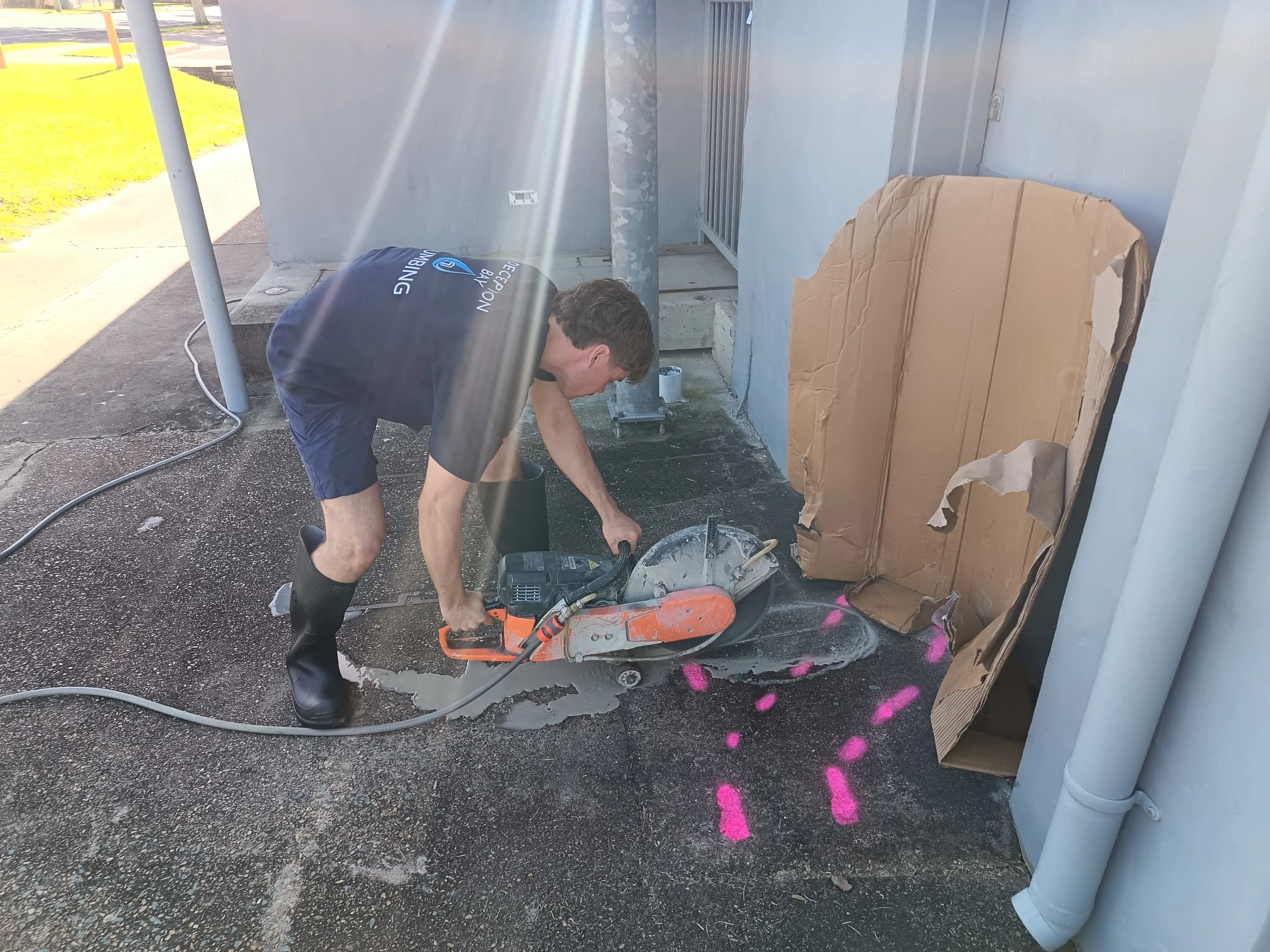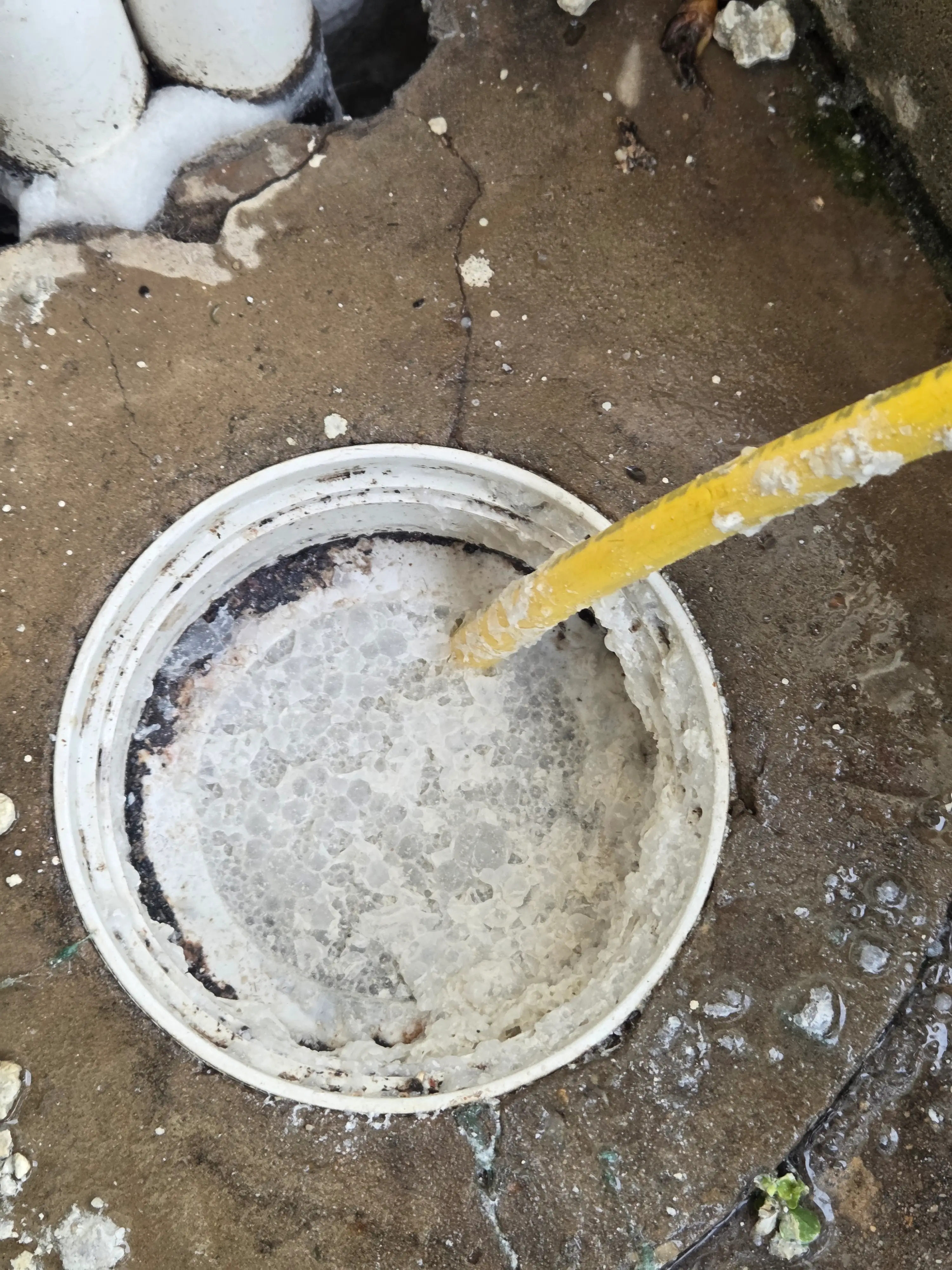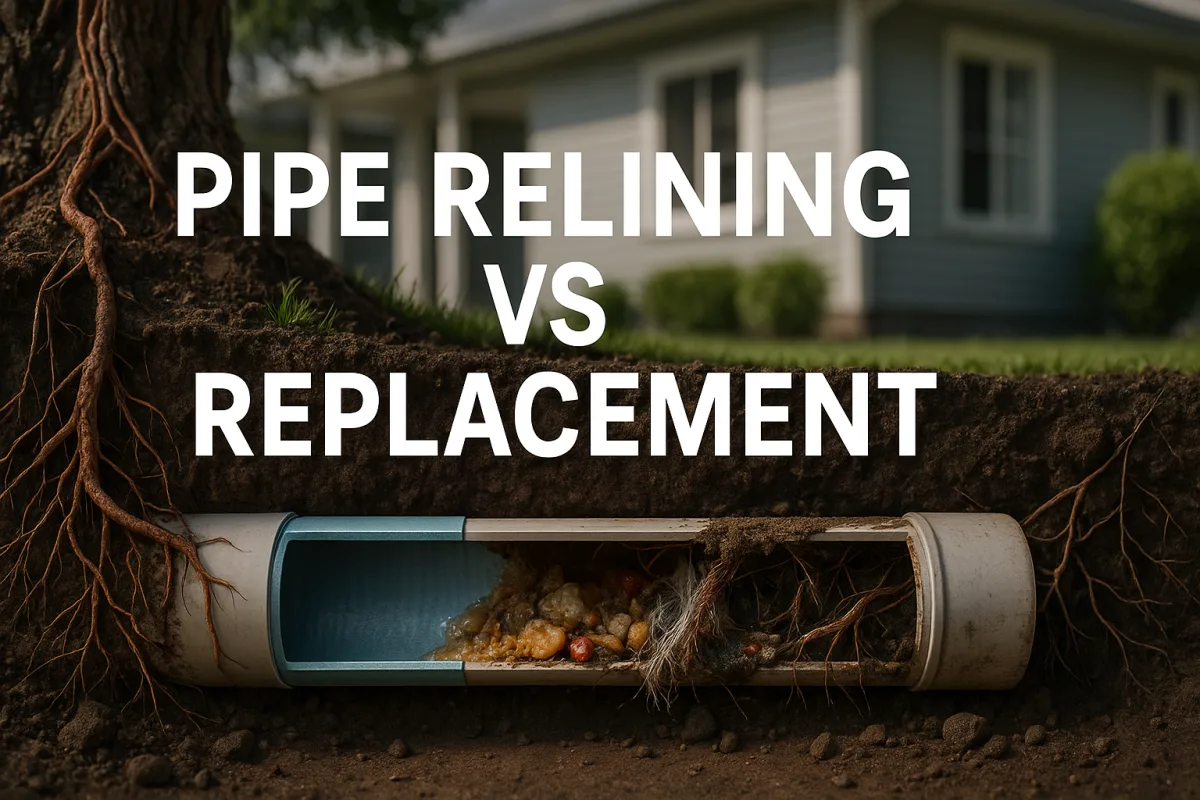
When a drain is not just blocked but damaged — cracked, leaking, root-invaded or partly collapsed — clearing it is only a temporary fix. The pipe itself needs repair. Today there are two broad options: relining the existing pipe from the inside, or replacing the pipe by excavating and installing new. Neither is universally "better"; the right choice depends on the pipe's condition, its location and access.
How pipe relining works
Relining, often called cured-in-place pipe (CIPP) lining, repairs a pipe from within, usually without digging it up. In simple terms:
- The damaged pipe is first cleaned, commonly with high-pressure water jetting, and inspected with a camera.
- A flexible liner coated in a special resin is inserted into the pipe through an existing access point.
- The liner is inflated so it presses against the old pipe wall.
- The resin is cured (hardened) in place, forming a new, smooth pipe inside the old one.
- Any branch connections are reopened, and a final camera check confirms the result.
The outcome is essentially a new pipe within the old, sealing cracks and blocking the joints that roots exploited.
How replacement works
Traditional replacement means excavating down to the damaged pipe, removing it, and laying new pipe in its place before backfilling. Where the pipe runs under lawn it can be relatively straightforward; under driveways, paths, established gardens or building slabs it becomes far more involved. A related "trenchless" replacement method, pipe bursting, pulls a new pipe through the path of the old one while fracturing the old pipe outward, needing only small access pits.
Comparing the two
| Factor | Relining | Replacement |
|---|---|---|
| Excavation | Little or none in most cases | Often significant (unless pipe bursting) |
| Surface disruption | Low — paths and gardens usually preserved | Higher — may need to lift paving or dig gardens |
| Suitable when | Pipe is largely intact and holds its shape | Pipe is collapsed, badly deformed or misaligned |
| Pipe capacity | Slightly reduced bore, but smoother flow | Full new bore |
| Restoration | Minimal reinstatement afterwards | Backfilling and resurfacing needed |
The pros and cons
Relining advantages:
- Usually no major digging, so lawns, driveways and gardens stay intact.
- Faster and less disruptive on suitable pipes.
- The smooth new interior resists future root intrusion and improves flow.
Relining limitations:
- The pipe must be structurally able to hold the liner — a fully collapsed pipe usually cannot be relined.
- Severely deformed or badly misaligned sections may not be suitable.
Replacement advantages:
- Handles the worst cases, including collapse and major misalignment.
- Allows re-grading a pipe with poor fall or re-routing where needed.
Replacement limitations:
- More disruptive, especially under hard surfaces or structures.
- Requires reinstatement of whatever was dug up.
The condition of the existing pipe is the deciding factor. If it can hold a liner, relining is often less disruptive; if it has failed structurally, replacement is the reliable answer.
Factors that decide the right choice
A licensed plumber weighs several things after a camera inspection:
- Extent of damage — isolated cracks and root intrusion often suit relining; collapse points to replacement.
- Pipe location and access — a pipe under a Brisbane driveway or mature garden makes trenchless methods very appealing.
- Pipe alignment and fall — if the grade is wrong, replacement lets it be corrected.
- Length and number of affected sections.
Because the decision hinges on what the camera shows, an accurate diagnosis comes first — see the CCTV Drain Inspections series. To discuss which approach suits your pipe, explore the available services or get in touch via the contact page.