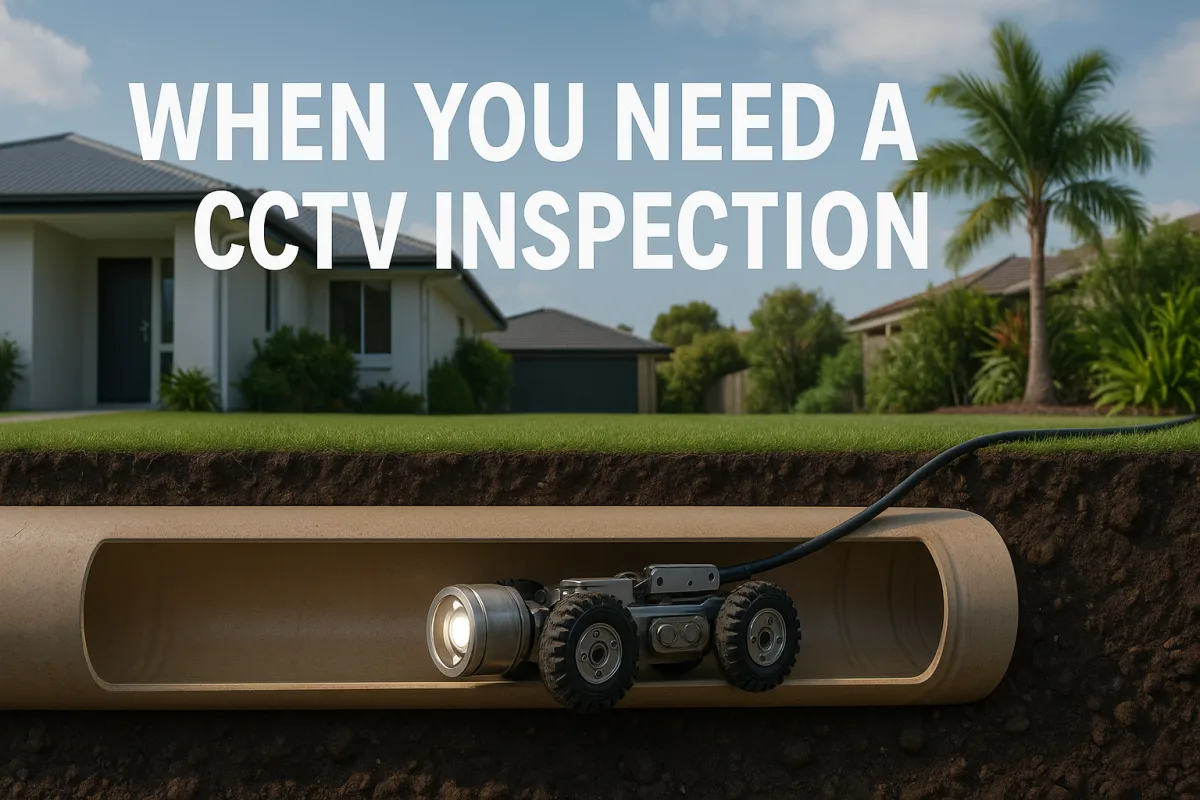
A CCTV inspection is not something most people book on a whim, but there are clear moments when it becomes the sensible next step. Knowing those triggers helps you act before a small drainage issue turns into a flooded yard or a backed-up bathroom. This lesson covers the symptoms and situations that make an inspection worthwhile.
Warning signs from your drains
Your plumbing usually tells you when something is wrong. Watch for:
- Recurring blockages — if the same drain keeps clogging despite being cleared, something structural or persistent is likely behind it.
- Slow drainage — sinks, showers or toilets that empty sluggishly can indicate a partial obstruction or a sagging pipe.
- Gurgling sounds — air struggling past a blockage often makes bubbling or gurgling noises in fixtures.
- Bad smells — persistent sewer odours inside or outside can point to a cracked pipe, trapped waste or a venting problem.
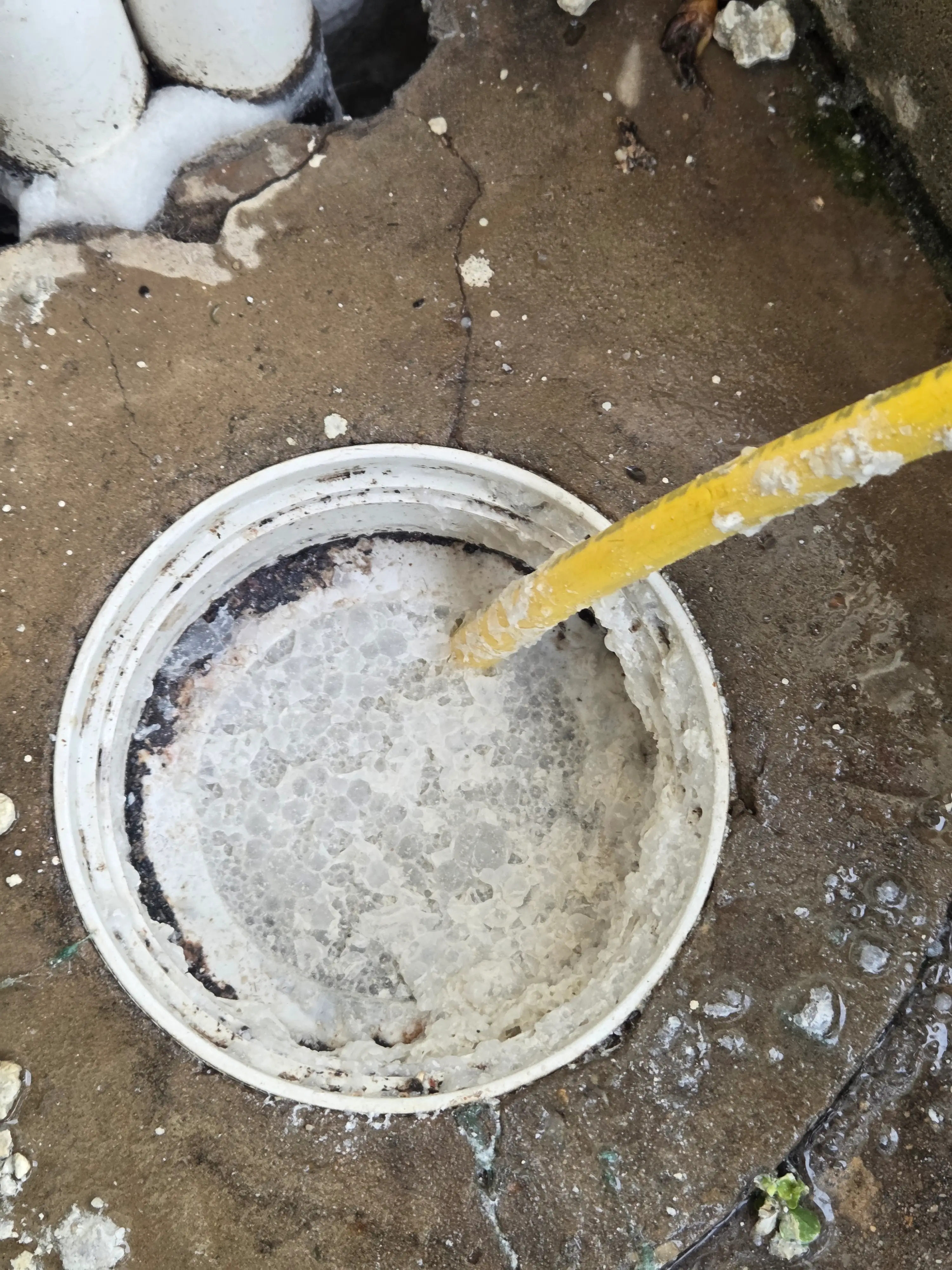
- Overflowing gullies or backing up — waste water surfacing at an outdoor drain or coming back up a fixture is a strong signal of a downstream blockage.
Signs in your yard
Sometimes the clue is outside. Unexpectedly lush or green patches of lawn, soft or soggy ground, or sudden sinkholes can all suggest a leaking or broken underground pipe feeding water into the soil. In Brisbane's clay soils, a persistent leak can also cause ground movement that shows up as cracks in paths or paving.
Situations where a camera makes sense without symptoms
You do not have to wait for a problem. An inspection is a smart move when:
- You are buying a property and want to know the true condition of the drains.
- You have large or mature trees near the pipe route and want to check for root intrusion.
- You are planning a renovation, extension or landscaping that will sit over or near drainage.
- You have just been through a major storm and want to check for damage or debris.
- You are about to invest in a repair and want to confirm the cause first.
Why acting early pays off
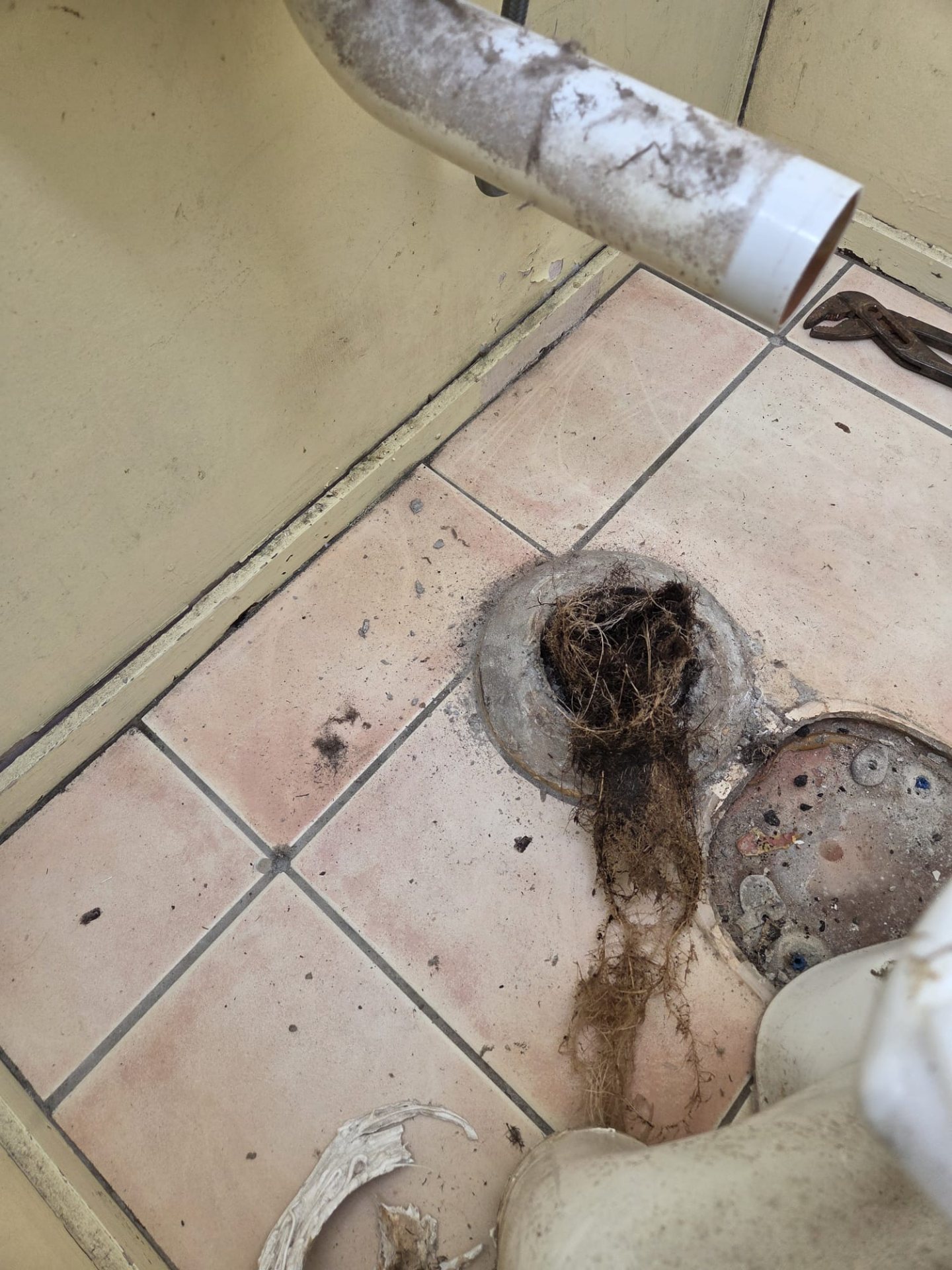
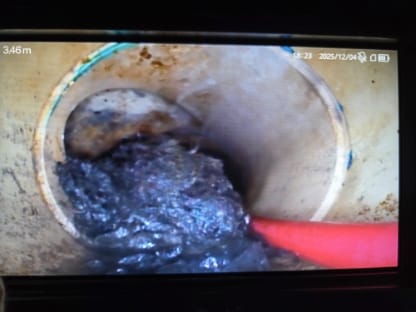
Drainage problems rarely fix themselves. A hairline crack lets in fine roots, which grow, trap debris, and eventually block or break the pipe. Catching that early means a smaller, cheaper repair and less mess. Waiting often means an emergency at the worst possible time — frequently during heavy summer rain, when plumbers are busiest.
If a drain problem keeps coming back, the question is not whether to inspect, but how much you will spend clearing the same fault before you finally look at it.
Making the call
As a rule of thumb, book an inspection if a drain has blocked more than once, if you notice several warning signs together, or if you are about to make a decision — buying, building or repairing — where the condition of the pipes matters. If you are weighing it up, the difference between camera work and guesswork is explored in CCTV inspection vs guesswork.
Not sure whether your symptoms warrant a camera? Describe what you are seeing to a licensed plumber via the contact page and they can advise whether an inspection is the right step.