The good news about drainage is that most problems are preventable. Blockages, backups and much of the damage that leads to expensive repairs come down to a handful of everyday habits. Get these right and your drains will largely look after themselves; get them wrong and you invite recurring trouble. This lesson sets out the practical do's and don'ts every homeowner should know.
None of this is complicated — it is simply about being mindful of what goes down the drain and keeping an eye on the system.
Do: mind what goes down the drain
Your drains are designed for water, human waste and toilet paper — and not much else. Good habits here prevent most blockages:
- Do scrape food scraps into the bin or compost before washing dishes.
- Do let fats and oils cool and solidify, then bin them, rather than pouring them down the sink.
- Do use drain strainers in sinks and showers to catch food and hair.
- Do flush only the "three P's" — pee, poo and (toilet) paper.
Don't: treat drains as a bin
Many blockages come from items that should never enter a drain. Avoid these entirely:
- Wet wipes — even "flushable" ones do not break down like toilet paper and are a leading cause of blockages.
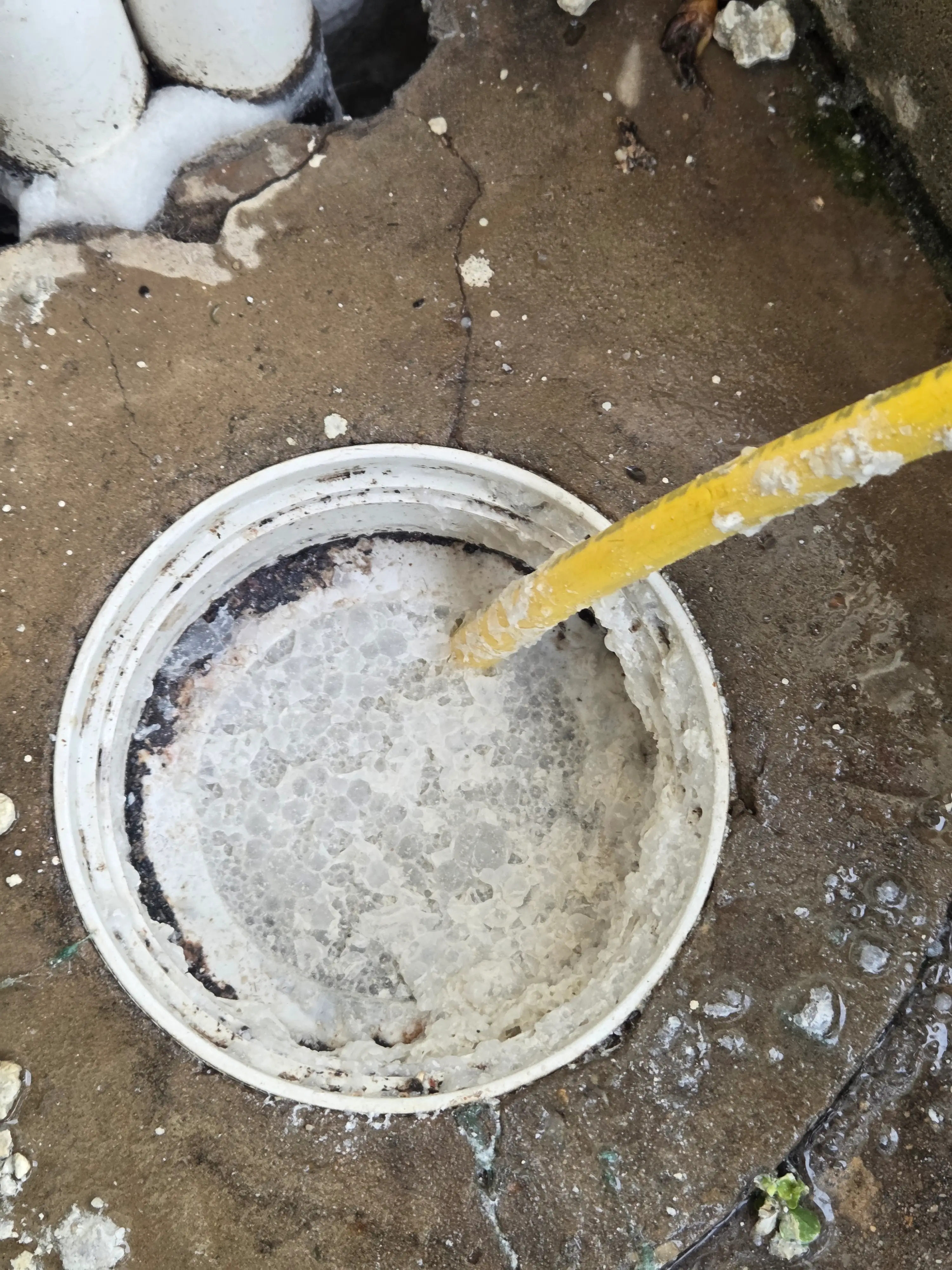
- Fats, oils and grease — they congeal in pipes and trap other debris.
- Sanitary and hygiene products — these belong in the bin.
- Coffee grounds, rice and pasta — they swell or clump and build up over time.
- Paint, solvents and harsh chemicals — bad for pipes, the treatment system and the environment.
If in doubt, bin it. The few seconds saved by tipping something down the drain is never worth the cost of a blockage or a damaged pipe.
Do: maintain your system
A little regular attention keeps drainage healthy:
- Clear gutters and downpipes before and during the storm season.
- Flush rarely-used fixtures occasionally to keep their traps sealed against odours.
- Run hot water through kitchen drains after washing greasy dishes to help move residue along.
- Keep grates and pits clear of leaves and debris so water can escape.
- Act on early warning signs like slow drainage rather than waiting for a full blockage.
Don't: ignore the warning signs
Small symptoms are your drainage system asking for help. Ignoring them lets a cheap fix become an expensive one. Do not dismiss:
- Slow-draining sinks, showers or toilets
- Gurgling sounds when water drains
- Recurring odours
- Water pooling where it should not
The signs of a healthy drainage system lesson covers what to watch for in more detail.
Do: think before you dig or plant
What happens above and around your pipes matters too:
- Do check where drains run before digging for landscaping, fences or a pool.
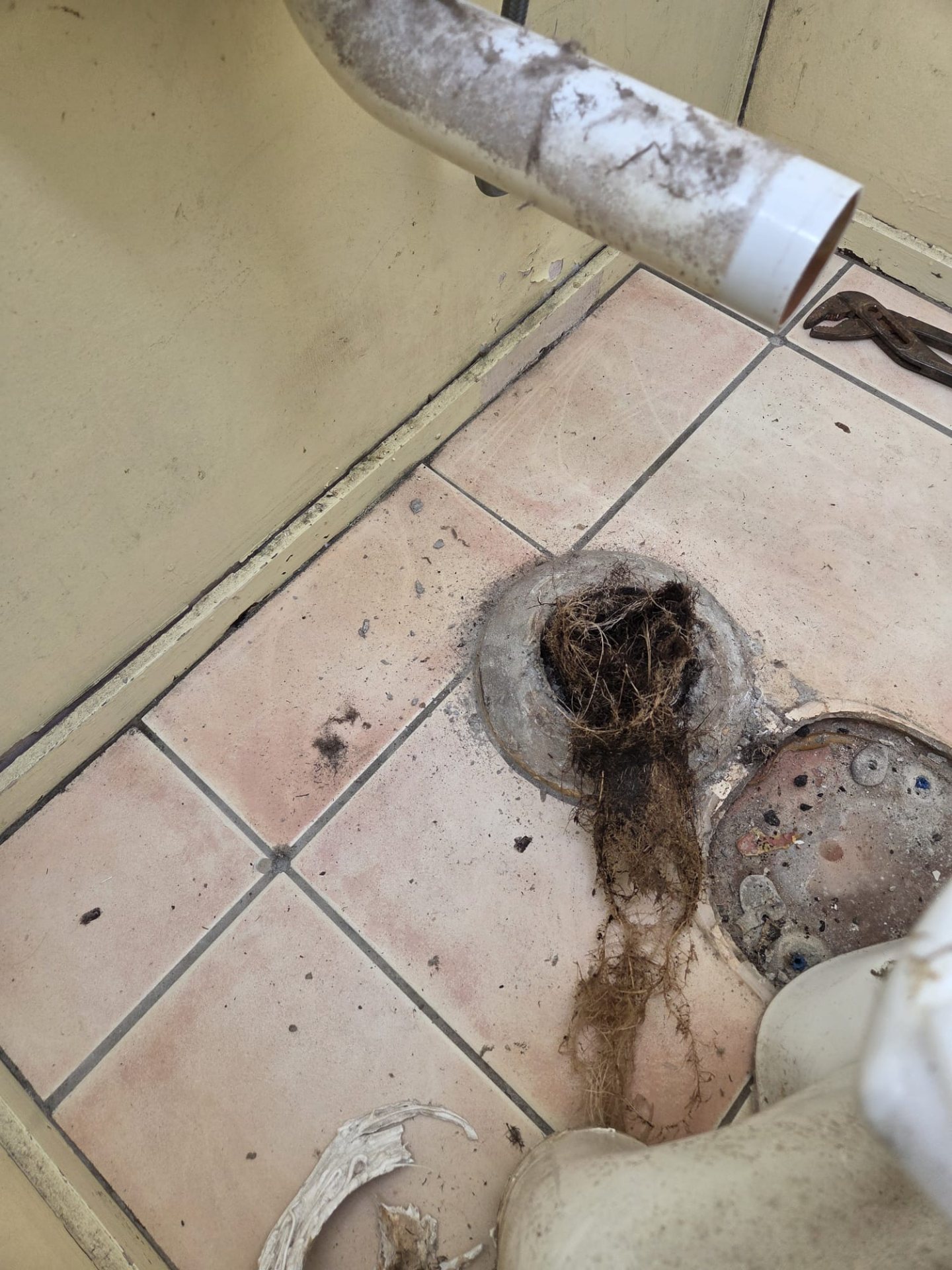
- Do be careful planting trees near drainage lines — roots are a major cause of pipe damage in Brisbane.
- Do keep heavy loads and structures off disposal fields and shallow pipes.
Knowing your layout helps — see how to read your property drainage plan.
Don't: rely on harsh chemical drain cleaners
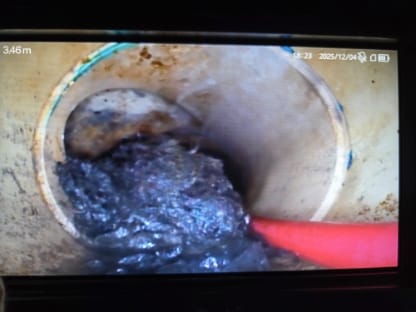
It is tempting to reach for a caustic drain cleaner at the first sign of a slow drain, but frequent use can damage pipes, is often only a temporary fix, and does nothing about the real cause. For a stubborn or recurring blockage, a proper clear and, if needed, a camera inspection to find the underlying problem is a far better investment than repeated doses of chemicals.
The payoff
These habits cost almost nothing and take very little time, yet they prevent the majority of drainage headaches. A household that minds what goes down the drain, maintains the system, and acts on early signs will rarely face an emergency. Prevention really is cheaper than repair.
If you are already dealing with a recurring problem despite good habits, a licensed plumber can find and fix the underlying cause. Get in touch with DrainSpy Brisbane through the contact page.