Beneath almost every Australian home run two separate drainage networks that must never be mixed. One handles rainwater; the other handles wastewater. Confusing them — or worse, illegally connecting one to the other — can cause flooding, pollution and expensive rectification. This lesson explains the difference clearly so you know what you are looking at.
What stormwater drains carry
The stormwater system collects rain. Water falls on your roof, runs into gutters and downpipes, and is then directed away from the house through underground pipes to the street, a legal discharge point, or a soakage system. Yard drains, driveway grates and channel drains also feed the stormwater network.
Crucially, stormwater is generally not treated. It flows relatively quickly to creeks, rivers and ultimately Moreton Bay. That is why it must stay clean: whatever enters a stormwater drain ends up in the environment.
What sewer drains carry
The sewer system carries wastewater — everything from toilets, showers, basins, kitchens and laundries. This water is contaminated and must be treated before it can be safely returned to the environment. Sewer flows travel to a treatment plant, where solids and pollutants are removed.
Because sewage is treated, the network is designed to be sealed and odour-controlled, using traps and vents throughout. You can read how those work in what is a drain trap and understanding drain vents.
Why the two must stay separate
Keeping stormwater and sewer apart matters for two reasons:
- If stormwater enters the sewer, heavy rain can overwhelm the treatment system, causing overflows of untreated sewage into homes, streets and waterways.
- If sewage enters the stormwater, untreated waste flows directly into creeks and the bay, polluting the environment and creating a health hazard.
For these reasons, cross-connections between the systems are prohibited. During renovations it is important that new downpipes go to stormwater and new fixtures go to sewer — a licensed plumber ensures this is done correctly.
A simple rule of thumb: rain goes to the environment via stormwater, and waste goes to treatment via the sewer. The two paths must never cross.
How to tell them apart
On most properties you can identify the systems with a little observation:
- Follow the downpipes. Where gutter downpipes enter the ground, that pipe is stormwater.
- Look for grated pits and channel drains. Open grates in driveways, paths and lawns are almost always stormwater inlets.
- Find the gully and vents. A grated gully dish near the house and a vent pipe on the roof indicate the sewer system.
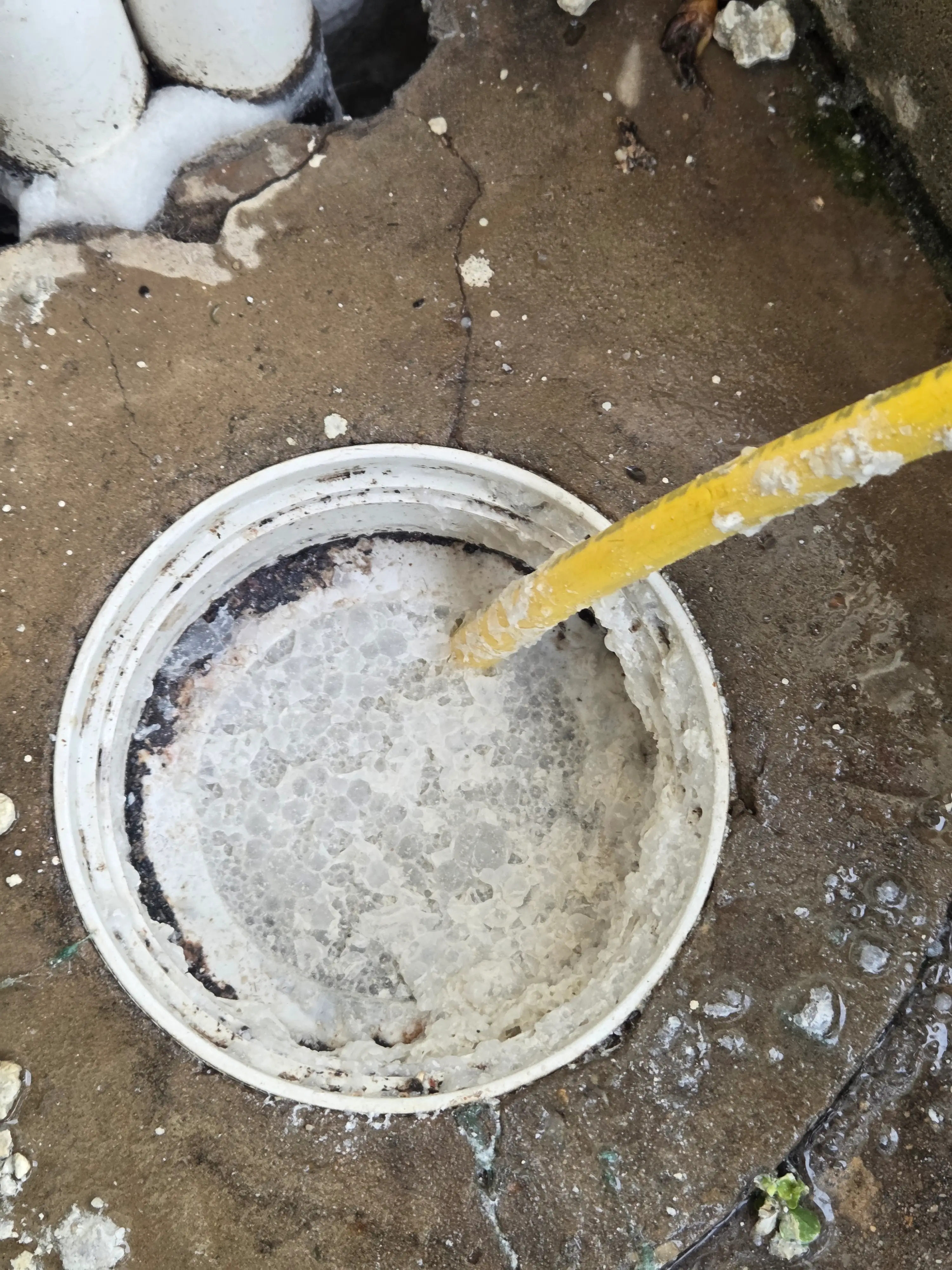
- Locate inspection openings. Capped access points in the ground usually belong to the sewer drain.
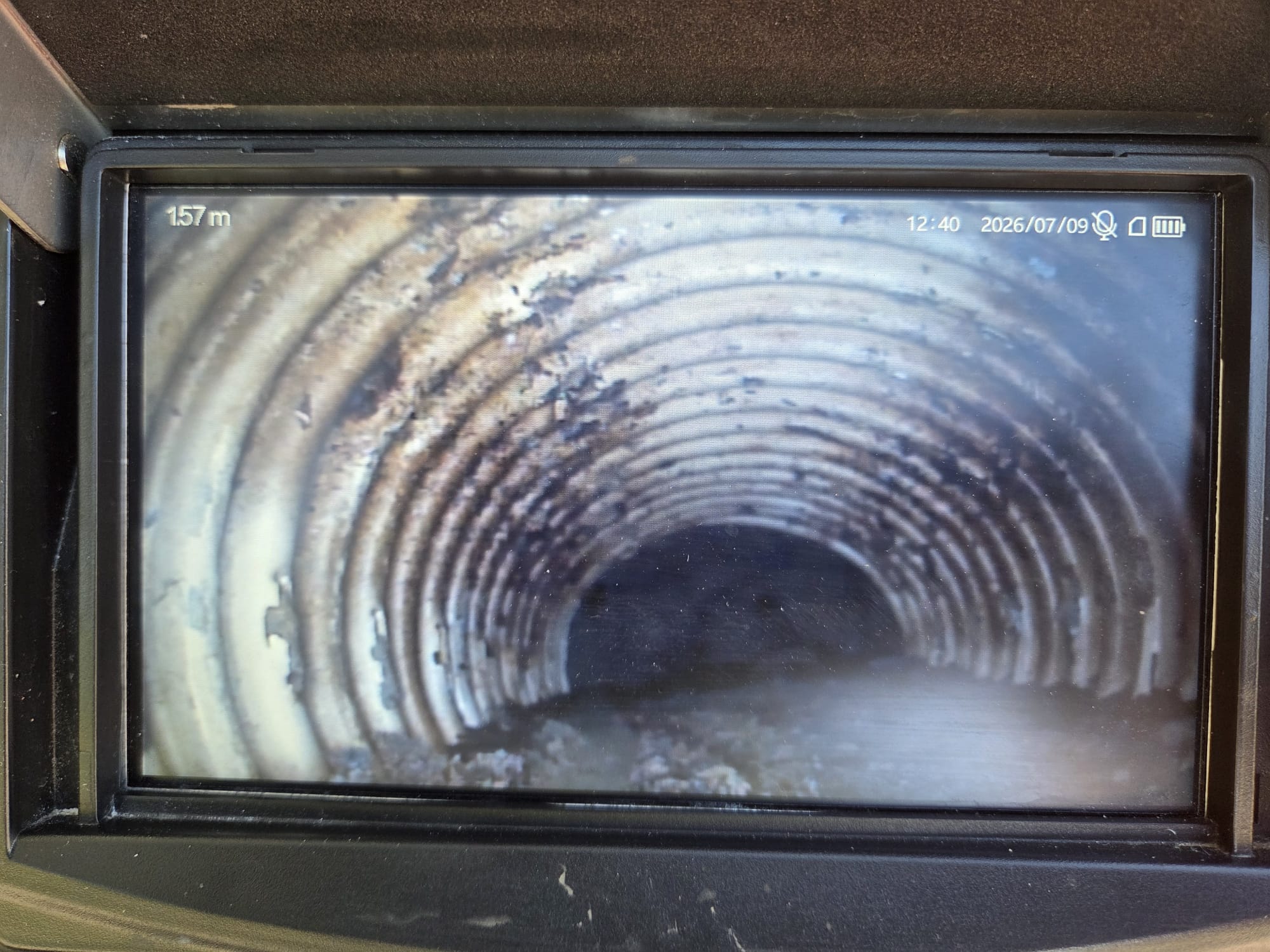
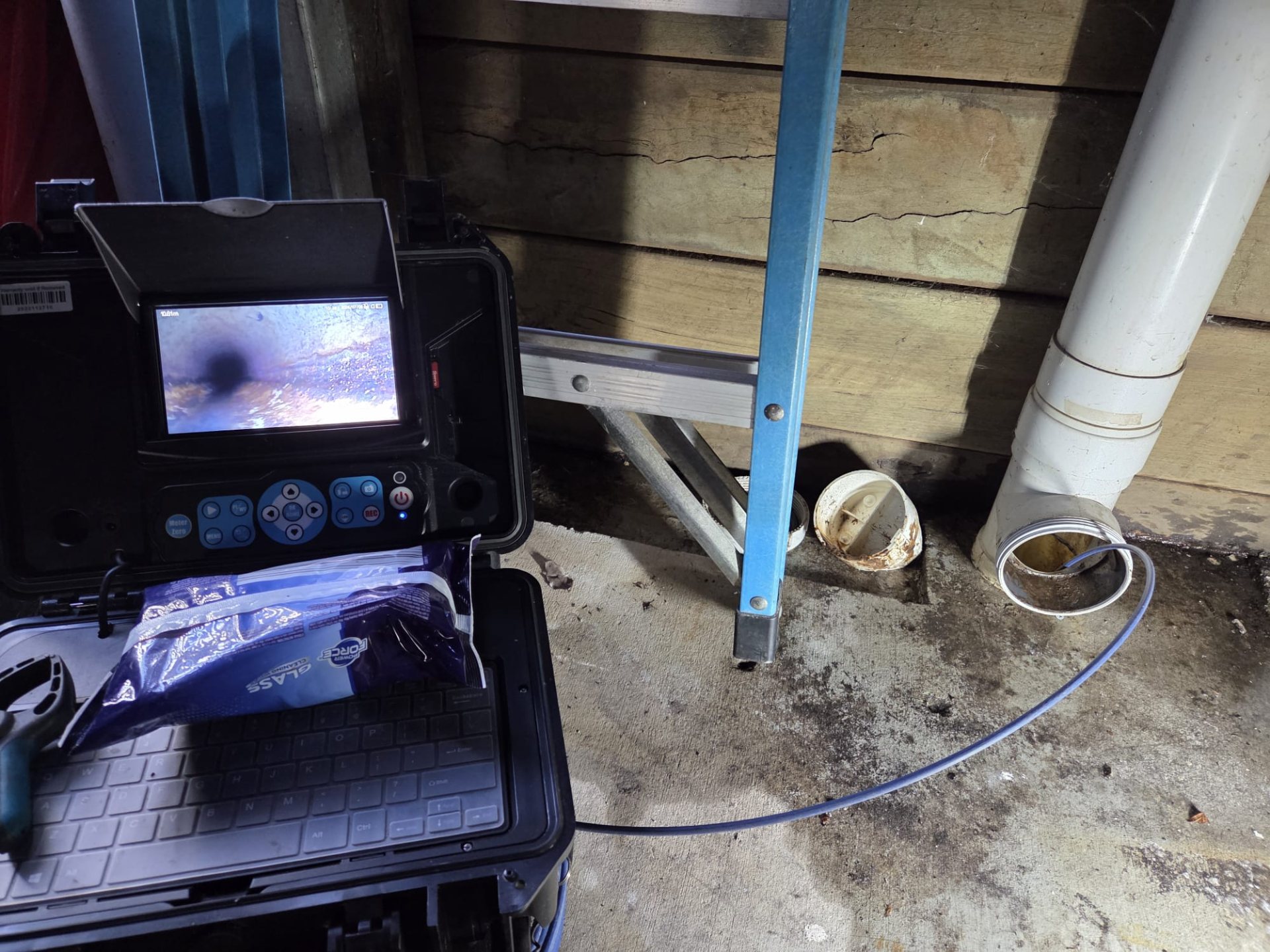
If you are ever unsure, do not guess — a plumber can trace the lines properly, sometimes with a camera as described in the CCTV series.
A quick comparison
| Feature | Stormwater | Sewer |
|---|---|---|
| Carries | Rainwater and surface runoff | Wastewater from fixtures |
| Treated? | Generally no | Yes, at a treatment plant |
| Discharges to | Creeks, rivers, the bay | Treatment, then the environment |
| Typically managed by | Local council | The water authority |
Who is responsible?
As a general guide, property owners are responsible for the drainage pipes within their own boundary, while the public networks beyond the connection point are managed by the relevant authorities — councils commonly look after public stormwater infrastructure, and the water utility looks after sewer mains. Responsibilities can vary, so if a shared or boundary issue arises it is worth confirming who owns which section before work begins.
Brisbane's intense storms make a well-maintained stormwater system especially important, while its mature suburbs place demands on ageing sewer lines. If you suspect a cross-connection or want your systems checked and mapped, a licensed plumber can help — reach out through the contact page.