When a drain blocks, backs up or breaks, one of the first questions is: whose problem is this? The answer decides who arranges the repair and who pays for it. While the fine detail varies by location and situation, the underlying principles are consistent across Australia, and understanding them saves confusion and delay when something goes wrong.
This lesson explains the general split in responsibility. It is educational guidance only — for a specific dispute or unusual situation, confirm the position with your local council or water utility, since exact rules and boundaries differ.
The basic principle: the connection point
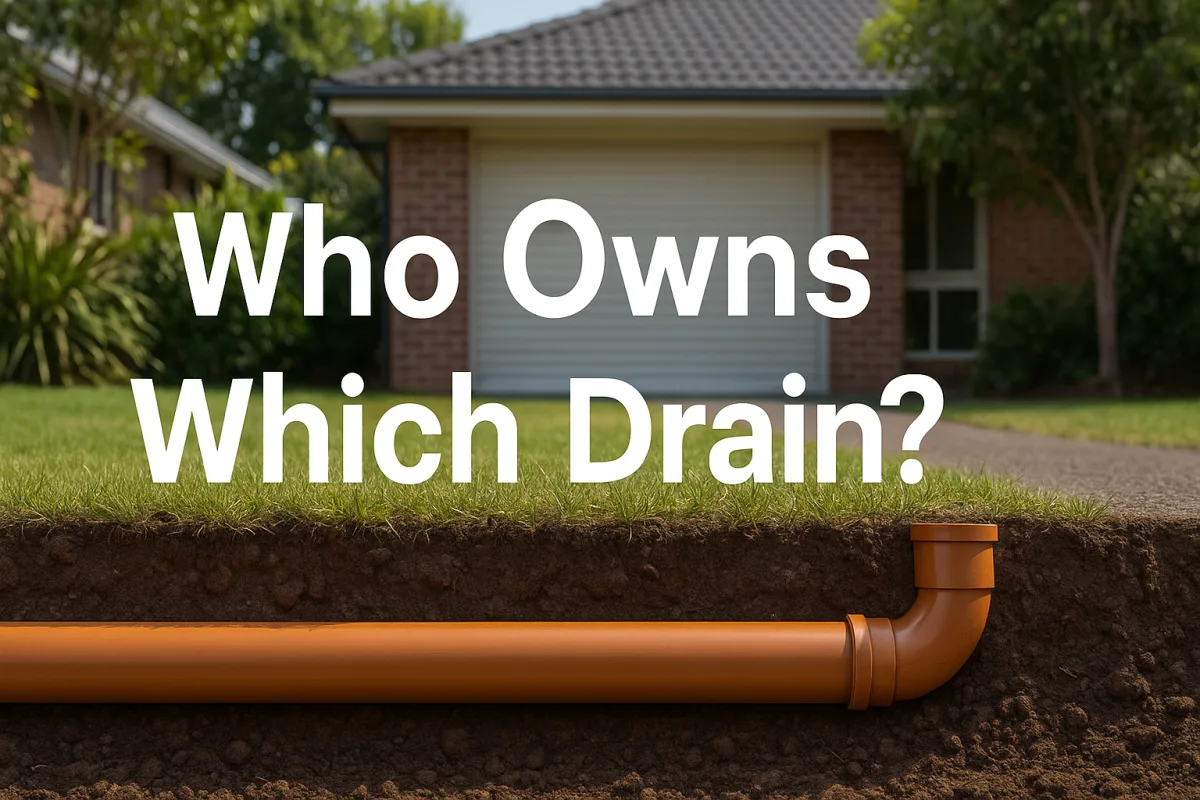
Drainage responsibility usually hinges on a boundary called the connection point — the place where your private drain joins the shared network. As a broad rule:
- On your side of the connection — the drains within your property are yours to maintain and repair.
- Beyond the connection, in the shared network — the pipes are maintained by the responsible authority, generally the water utility for sewer mains.
Think of it as your driveway versus the public road: what is on your land is yours; the shared infrastructure belongs to the authority that runs it.
What the property owner usually looks after
As a general rule, you are responsible for the drainage infrastructure on your own property, which typically includes:
- The house drain carrying wastewater from your fixtures to the connection point
- Gully traps, inspection openings and overflow relief gullies on your land
- Your stormwater pipes, gutters and downpipes
- Managing tree roots on your property that may damage your pipes
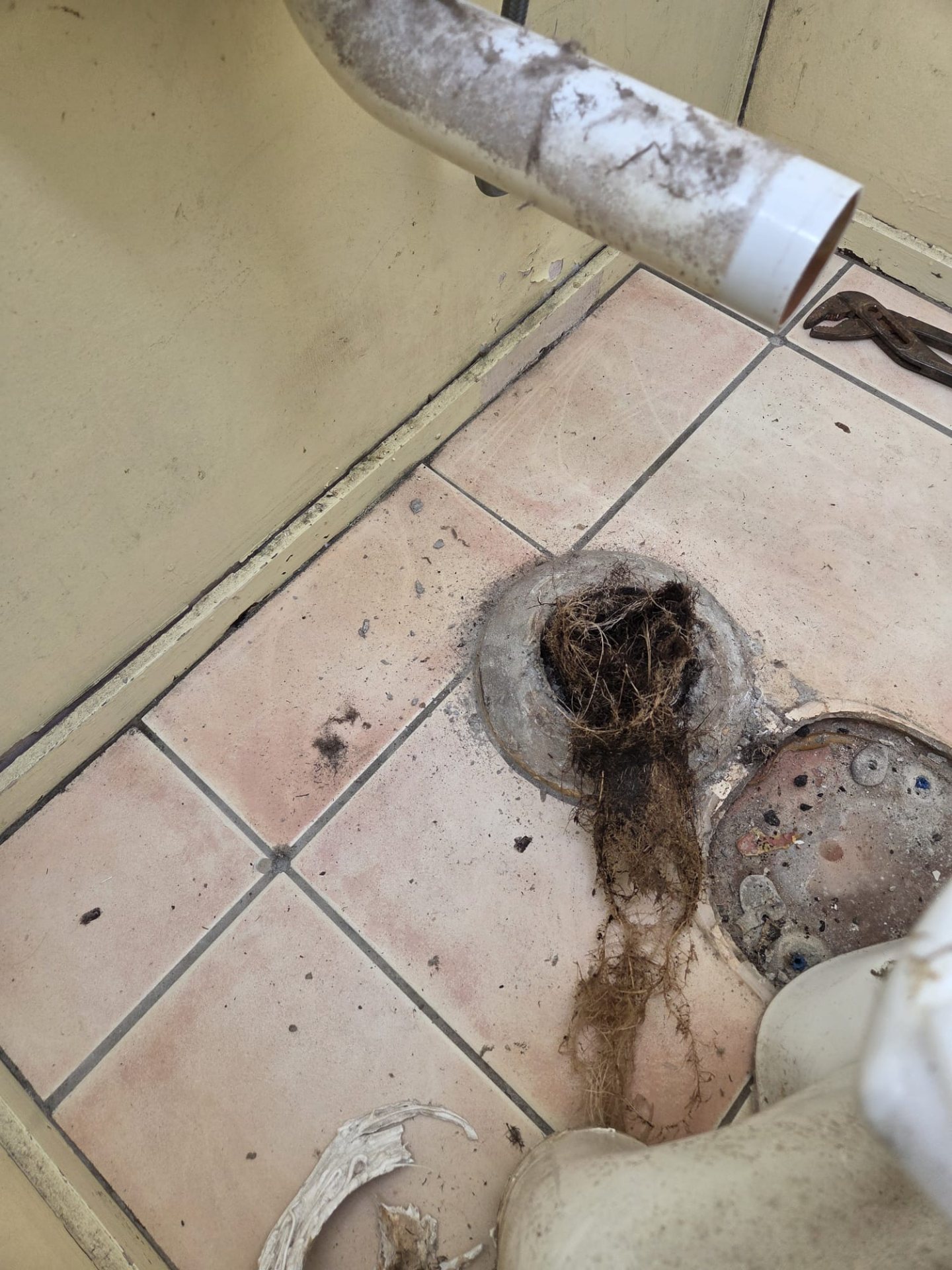
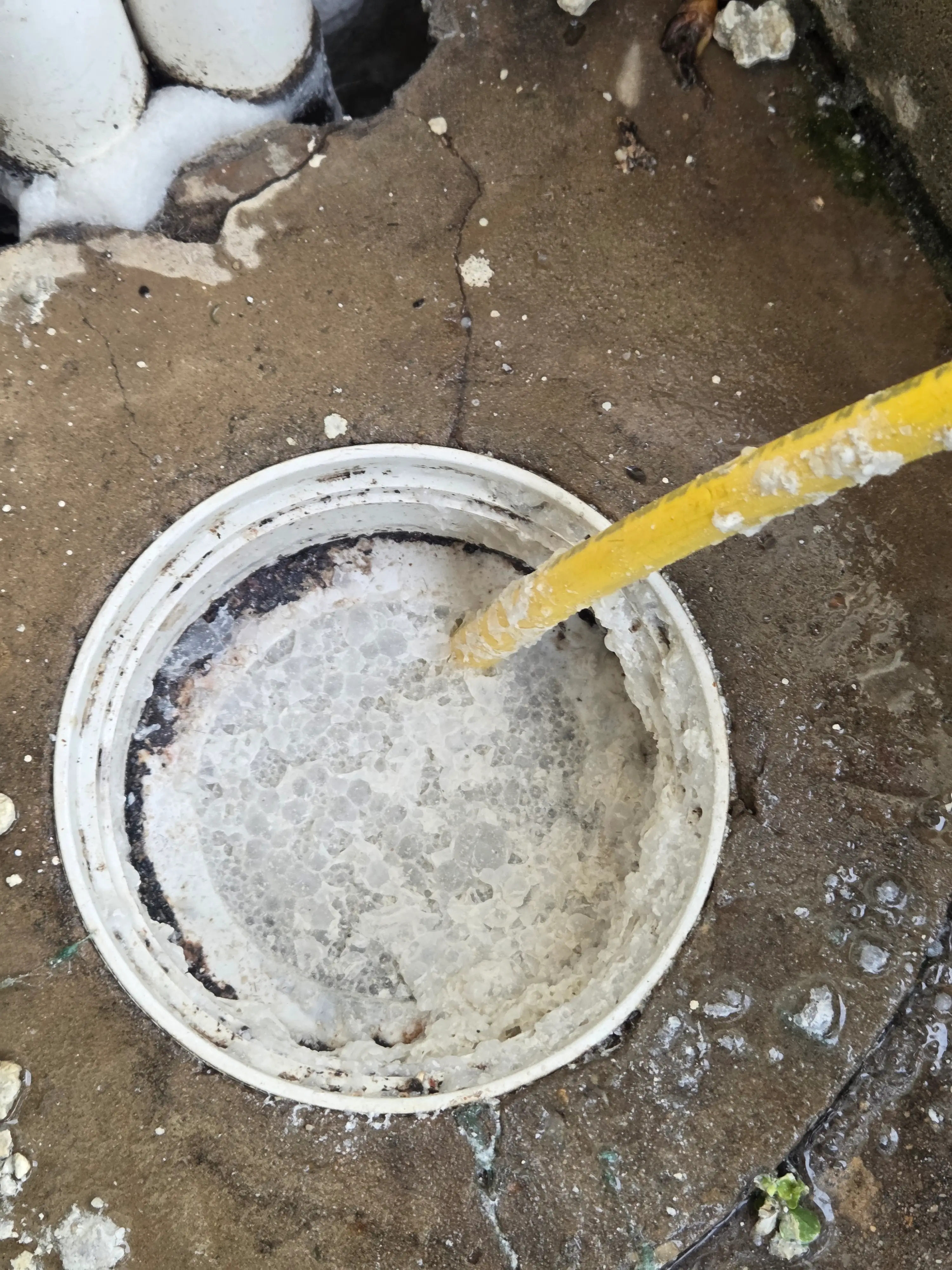
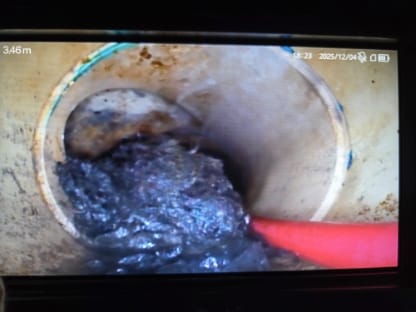
Blockages caused by what goes down your drains — grease, wipes, foreign objects — are firmly on the owner's side. Keeping these lines healthy is squarely your job, and the drainage do's and don'ts lesson covers how.
What councils and utilities usually manage
Shared infrastructure is generally the responsibility of a public authority:
- Water utility — typically responsible for the sewer main and the wider wastewater network beyond your connection point.
- Local council — often responsible for public stormwater infrastructure, kerb-and-channel and street drainage.
The precise division between council and utility differs by area and by whether the issue is sewer or stormwater, so treat these as general categories rather than firm rules.
A useful rule of thumb: if a problem affects only your property, it is probably yours; if it affects the street or several properties, the shared network — and its authority — is more likely involved.
Working out who to call
When trouble strikes, a little diagnosis points you to the right party:
- Check the scope. Is only your home affected, or are neighbours affected too? Widespread problems suggest the shared network.
- Check the location. Is the blockage or break on your side of the connection point, or beyond it? Your side is yours.
- Check the timing. Backups during heavy rain across a street can indicate the wider system is surcharged.
- When unsure, ask. The water utility can advise whether a sewer issue is on their side, and a licensed plumber can locate and confirm faults on yours.
Grey areas
Some situations are less clear-cut — shared drains serving multiple properties, easements running through a block, or pipes whose ownership has changed over the years. In these cases, the drainage plan and a professional locate help establish where a fault actually sits, which in turn clarifies responsibility. Reading your plan is covered in how to read your property drainage plan.
If you are unsure whether a problem is yours or the authority's, a licensed plumber can locate the fault and help you determine who is responsible before any work begins. You can reach DrainSpy Brisbane through the contact page for guidance.