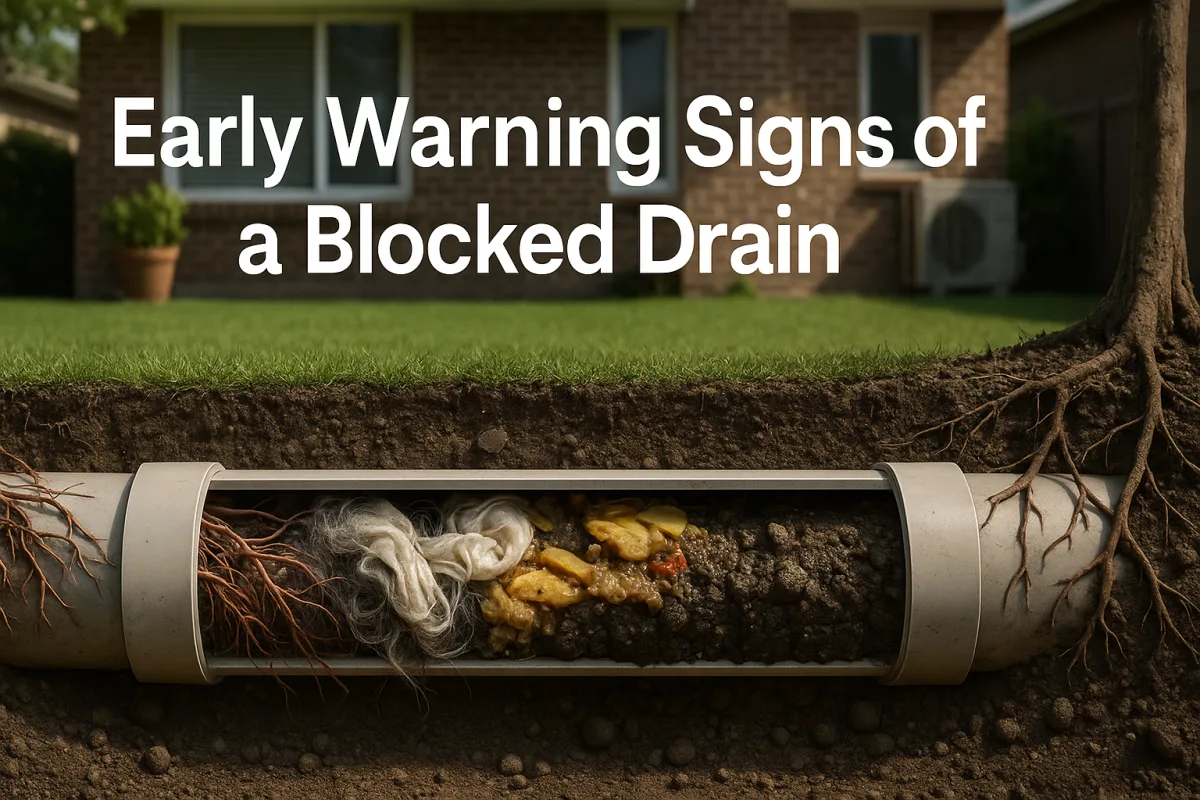
A drain almost never blocks without warning. Long before waste water backs up over a floor, your plumbing usually drops a series of hints that something is restricting the flow. Learning to read these early signs lets you act while the fix is cheap and simple, rather than waiting for a messy, stressful emergency. This lesson walks through the signals worth watching, and what each one tends to mean.
Water draining slowly
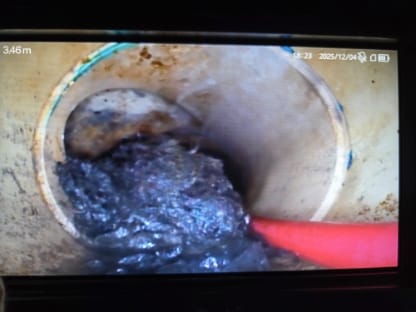
The most common early sign is water that takes longer than usual to disappear. A sink that once emptied in seconds now leaves a pool. A shower base that holds water around your feet. This slowing is caused by a partial restriction — grease, hair, scale or debris — narrowing the pipe. The flow still gets through, just not freely. Slow drainage is your best early-warning opportunity, because a partial blockage is far easier to clear than a complete one.
Gurgling sounds
Gurgling or bubbling noises from a drain, toilet or plughole happen when air is trapped and forced past a partial blockage. As water tries to flow, it displaces trapped air, which escapes with a distinctive gurgle. Pay attention to where the sound comes from:
- Gurgling at a single fixture usually means a local clog nearby.
- Gurgling in one fixture when you use another — for example, the toilet bubbling when the basin drains — suggests the restriction is further down a shared line.
- Gurgling from a floor waste or the lowest drain in the house can point to a developing main-line problem.
Unpleasant odours
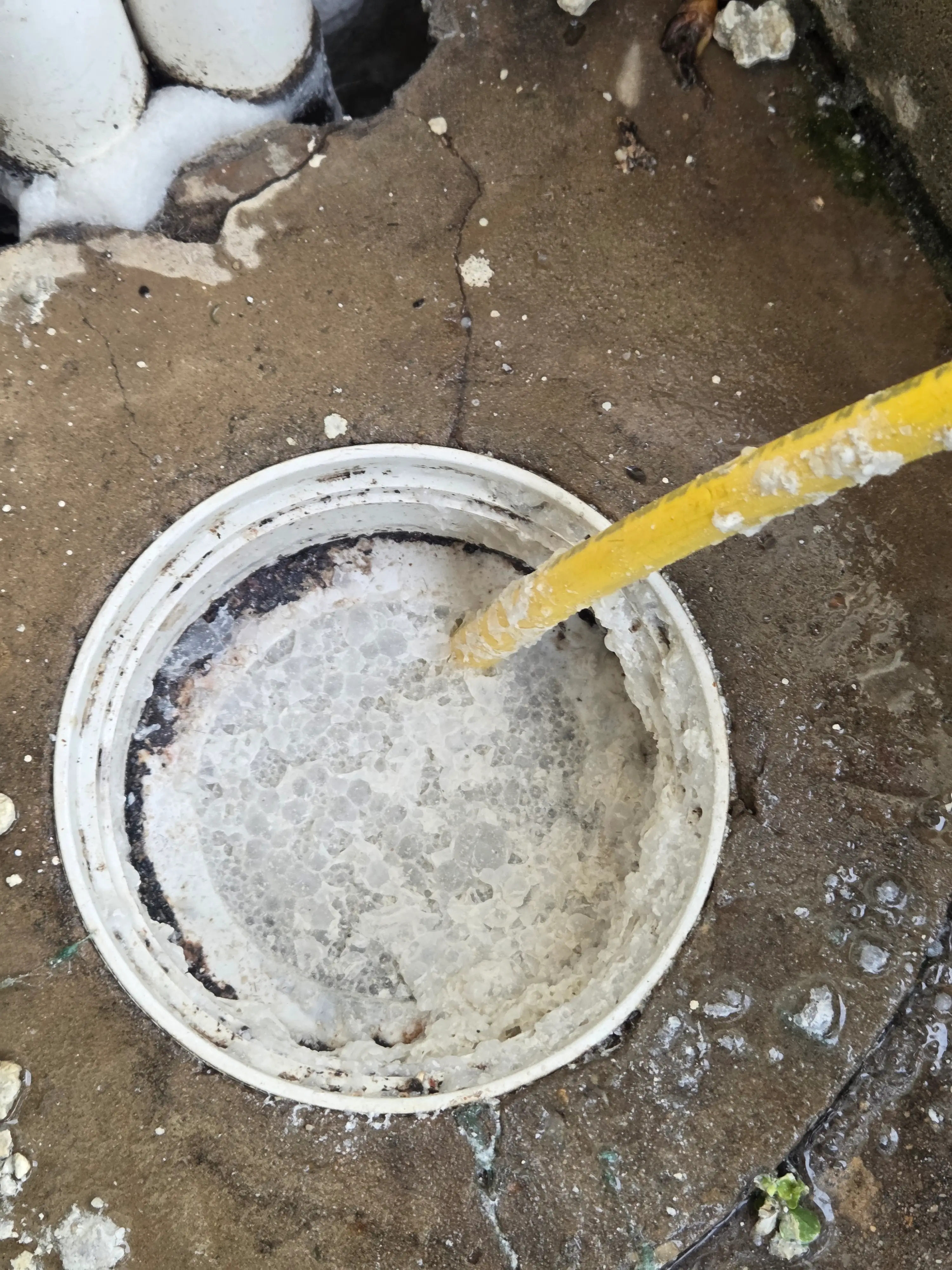
A persistent sewer or rotten smell around drains often means waste is sitting in the pipe instead of flowing away. Trapped food, grease and organic matter decompose and release gas. A healthy drain with a working water trap should not smell. If a fixture smells even after cleaning the visible parts, the cause is likely deeper in the line. Odours combined with slow drainage are a clear prompt to investigate.
Rising or fluctuating water levels
Watch your toilet bowl and floor wastes. If the toilet water level rises when flushed, drops unusually low, or bubbles, the drain is struggling. Water appearing at a floor waste when you run a shower or washing machine is a more serious sign that the main line cannot cope and waste is finding the lowest available outlet. This is one signal you should not ignore.
The lowest drain in the house is the canary in the coal mine. If it gurgles or overflows when you use fixtures elsewhere, the blockage is likely in the main line, not the fixture you are using.
Multiple fixtures affected at once
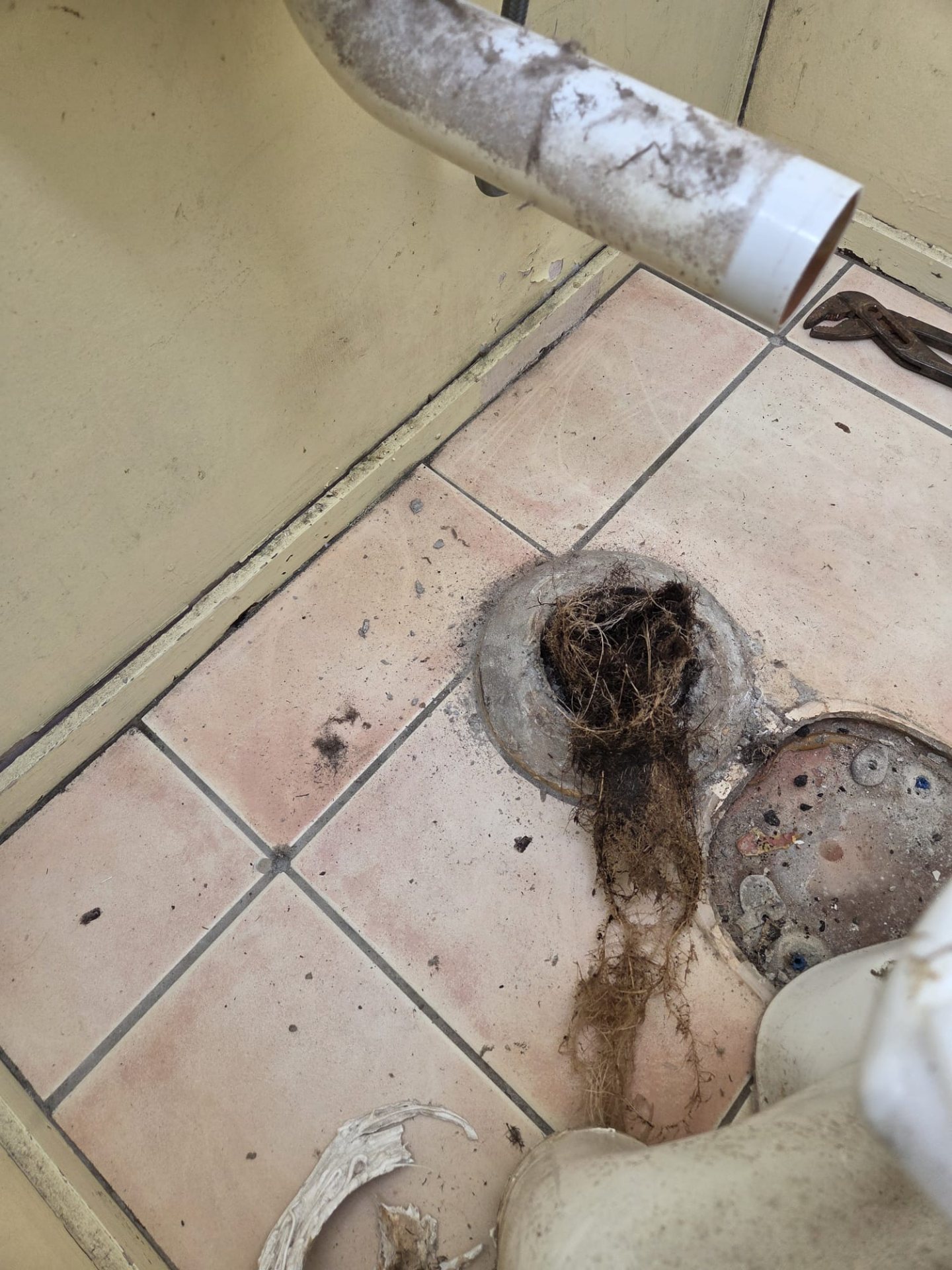
One slow fixture is usually a local problem. Several slow or gurgling fixtures at the same time — especially on the same side of the house — point to a shared branch or the main sewer line. This pattern raises the likelihood of tree roots, a pipe sag or a structural fault, and it is worth a professional look sooner rather than later. You can read more in the lessons on tree roots in drains and collapsed and cracked pipes.
Reading the signs together
No single sign is conclusive on its own, but together they tell a story. Use this quick reference:
| Sign | Likely meaning |
|---|---|
| One slow fixture | Local clog near that fixture |
| Gurgling across fixtures | Restriction in a shared or main line |
| Persistent odour | Waste sitting in the pipe |
| Water at floor waste | Main line struggling — act promptly |
| Recurring blockage | Possible structural fault or roots |
When to call a professional
Early, mild signs at a single fixture are often something you can address yourself. However, seek a licensed plumber if you notice water backing up at floor wastes, several fixtures affected together, sewage smells that persist, or blockages that keep returning after clearing. Catching these patterns early can save you from an overflow at the worst possible moment.
If your drains are showing warning signs and you would rather know exactly what is going on, a professional can help you get ahead of it. Reach out via the contact page to discuss what you are seeing.