Not every blocked drain needs an urgent call, but some do — and knowing the difference protects your home, your health and your budget. An emergency is a situation where waiting risks property damage, sanitation problems or safety. A minor slow drain, by contrast, can usually wait for a convenient time. This lesson helps you judge which is which and act sensibly.
Signs it is a genuine emergency
Treat a blockage as urgent if you see any of these:
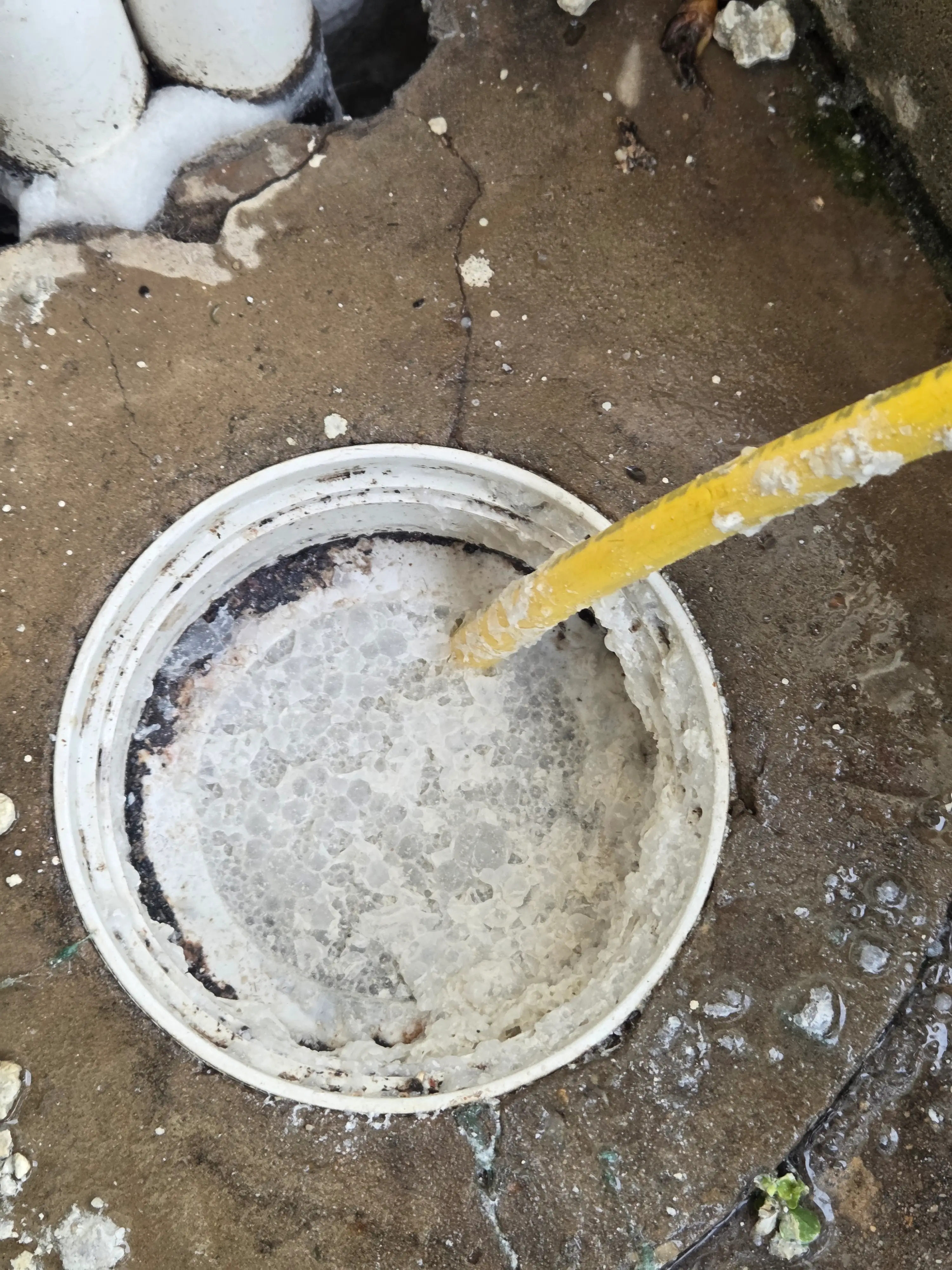
- Sewage backing up into showers, baths, floor wastes or the toilet, which is a health hazard.
- Multiple fixtures affected at once, pointing to a blocked sewer main that will keep overflowing as water is used.
- An overflowing overflow relief gully outside, or waste surfacing in the yard.
- Water pooling near electrical fittings or appliances, which is a shock and safety risk.
- A complete inability to use the toilet in a household with no alternative.
- Strong, persistent sewer odours indoors, suggesting gases are not venting properly.
Any time raw sewage enters the living space, treat it as an emergency. It is a genuine health risk, not just an inconvenience.
What can usually wait
Some problems are annoying but not urgent, and can be booked for a normal appointment:
- A single slow-draining basin or shower with no backup.
- A minor gurgle in one fixture that still drains.
- A drain you have partly cleared that is flowing, if only sluggishly.
These still deserve attention — a slow drain often gets worse — but they rarely require an after-hours call.
Immediate steps in an emergency
- Stop using water. Do not flush toilets, run taps, shower, or use the washing machine or dishwasher — every litre adds to the backup.
- Turn off appliances that discharge to the affected drain.
- Keep people and pets away from any sewage, and avoid contact.
- Protect belongings by moving them clear of rising water where safe to do so.
- Stay clear of electrical hazards. If water is near power points or appliances, do not touch them; isolate power only if safe.
- Contain the mess with towels or a bucket, and ventilate the area if odours are strong.
- Call a licensed plumber and describe exactly what you are seeing.
Why sewage backups are a health hazard
Wastewater carries bacteria and other pathogens. Contact with backed-up sewage, or breathing the air in a heavily contaminated room, can make people ill. That is why sewage in the home is always treated as urgent, and why cleaning up should be done carefully with gloves and protection, or left to professionals for anything significant.
After the emergency
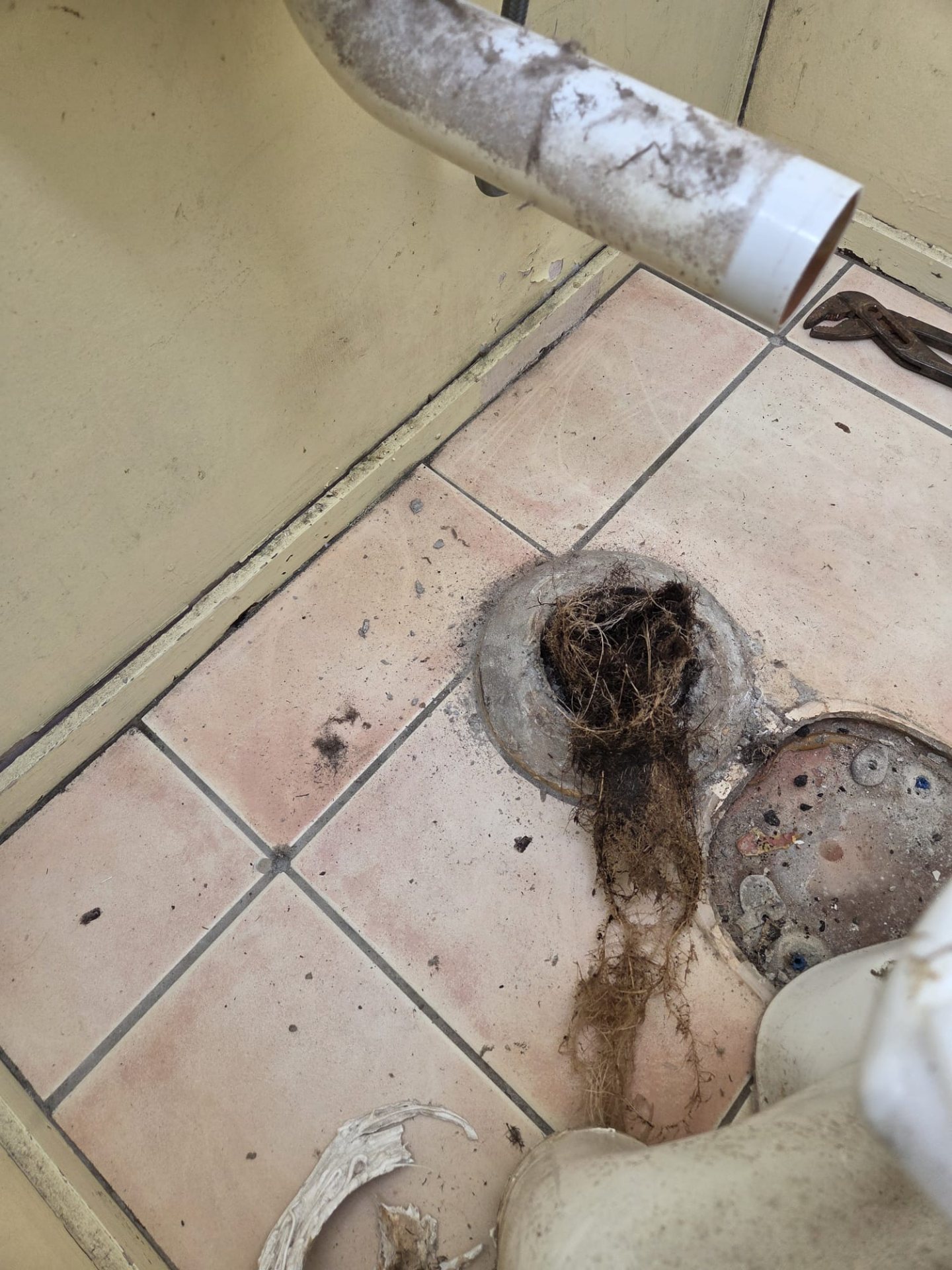
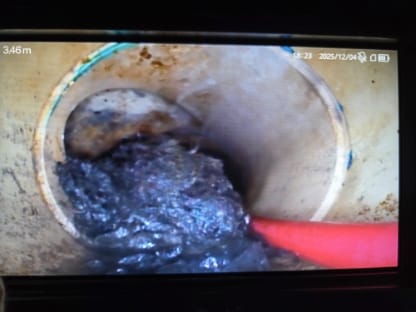
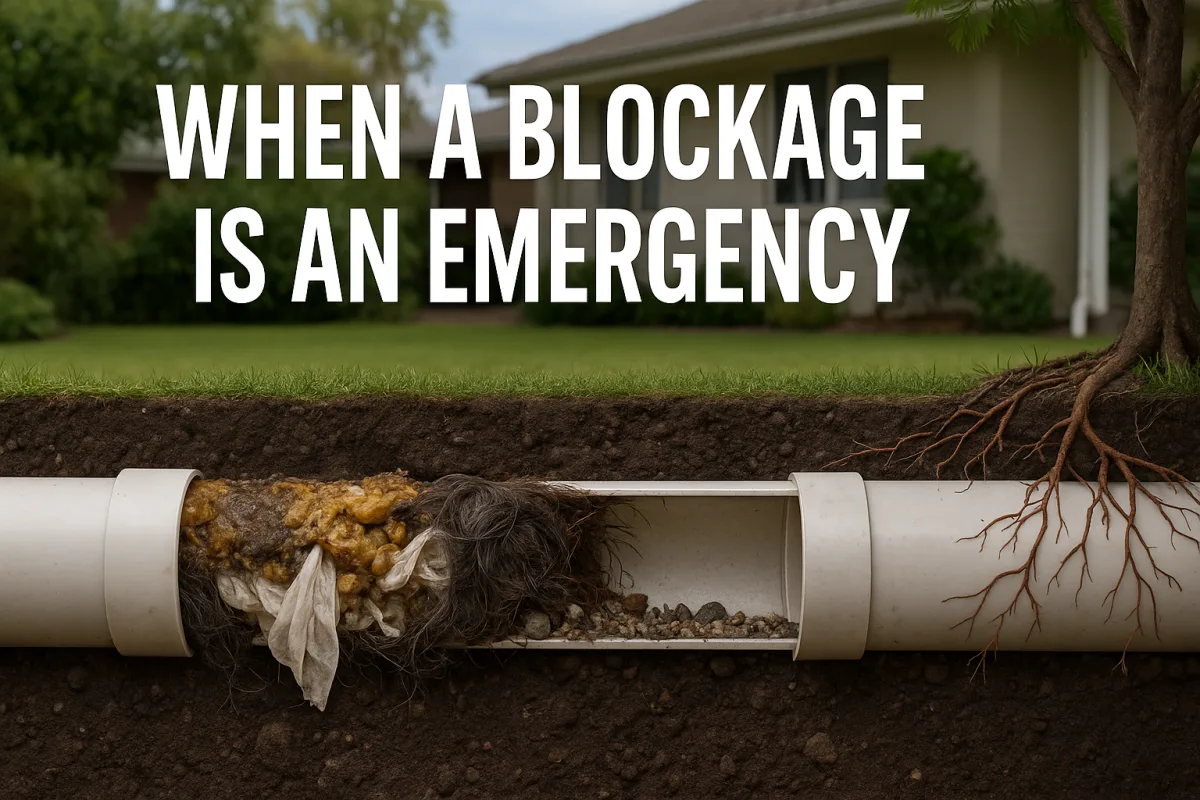
Once the immediate blockage is cleared, do not assume it is over. Emergencies that arrive suddenly often have a structural cause such as roots or a collapsed pipe. A follow-up camera inspection can reveal whether the blockage will return, and good maintenance habits reduce the odds of a repeat. If you are facing a backup now, contact a licensed plumber promptly through the contact page.