Drains rarely fail without warning, yet most people only think about them once something backs up. A light, regular maintenance routine changes that. It takes only a few minutes at a time, prevents the majority of blockages, and helps you catch small problems while they are still cheap to fix. Here is a straightforward schedule you can adapt to your home.
Weekly (a few minutes)
- Clear strainers and stoppers in the kitchen sink, showers and basins — remove hair and food scraps before they head down the pipe.
- Wipe out any grease from pans and plates into the bin before washing.
- Run a hot-water flush through the kitchen drain after the biggest wash-up of the week.
Monthly (fifteen minutes)
- Flush little-used drains. Run water through spare bathroom or laundry fixtures and floor wastes so their traps stay full and do not let sewer odours in.
- Check for slow drainage. Note any fixture that has started to drain more slowly — an early warning worth acting on.
- Freshen smelly drains with a baking soda scrub and hot rinse if needed (a deodoriser, not an unblocker).
- Inspect visible pipes under sinks for damp patches or drips.
Seasonally (tuned to Brisbane)
Brisbane's storm season makes some tasks time-critical:
- Before summer storms: clean gutters and downpipes, and clear leaves from outdoor grates and pits so stormwater can escape during heavy rain.
- After major storms: check that outdoor drains flowed freely and clear any debris washed into grates.
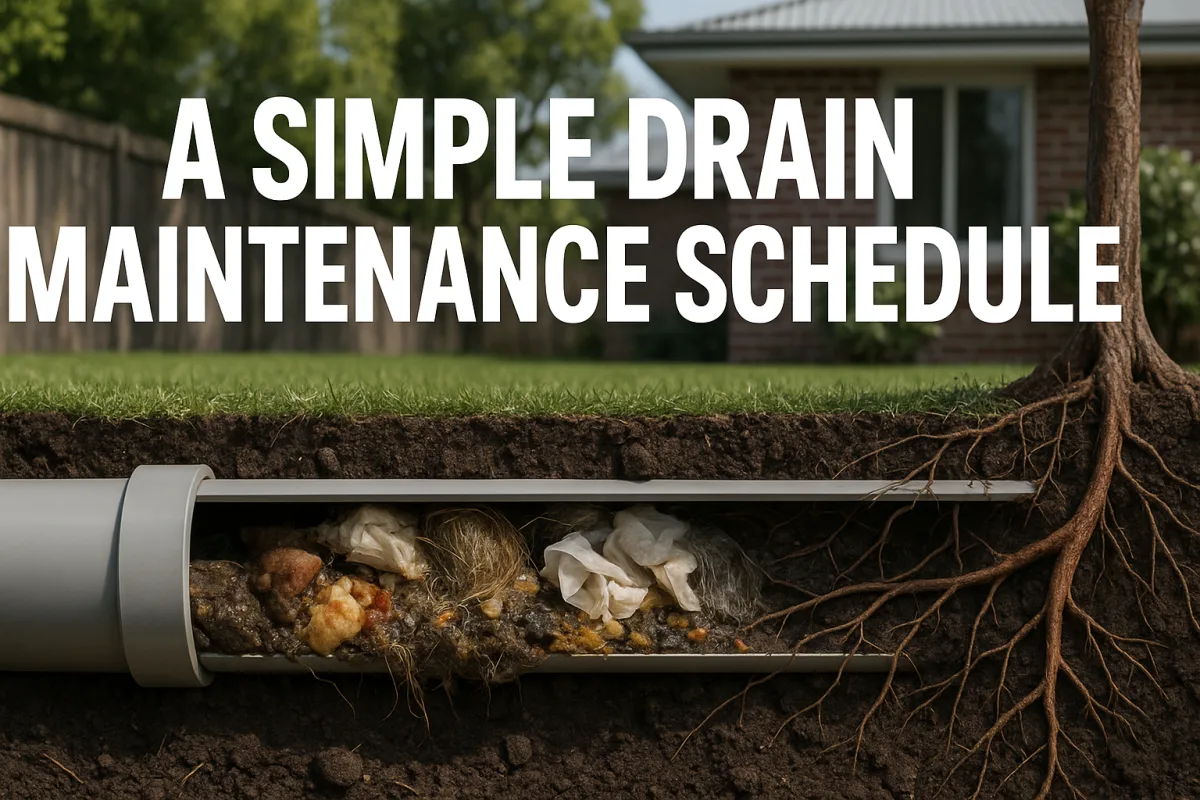
- In drier months: keep an eye on drains near large trees, as roots search hardest for moisture when the soil dries and clay shrinks.
Yearly
- Review recurring issues. If any drain has blocked more than once in the year, treat it as a sign of an underlying cause, not bad luck.
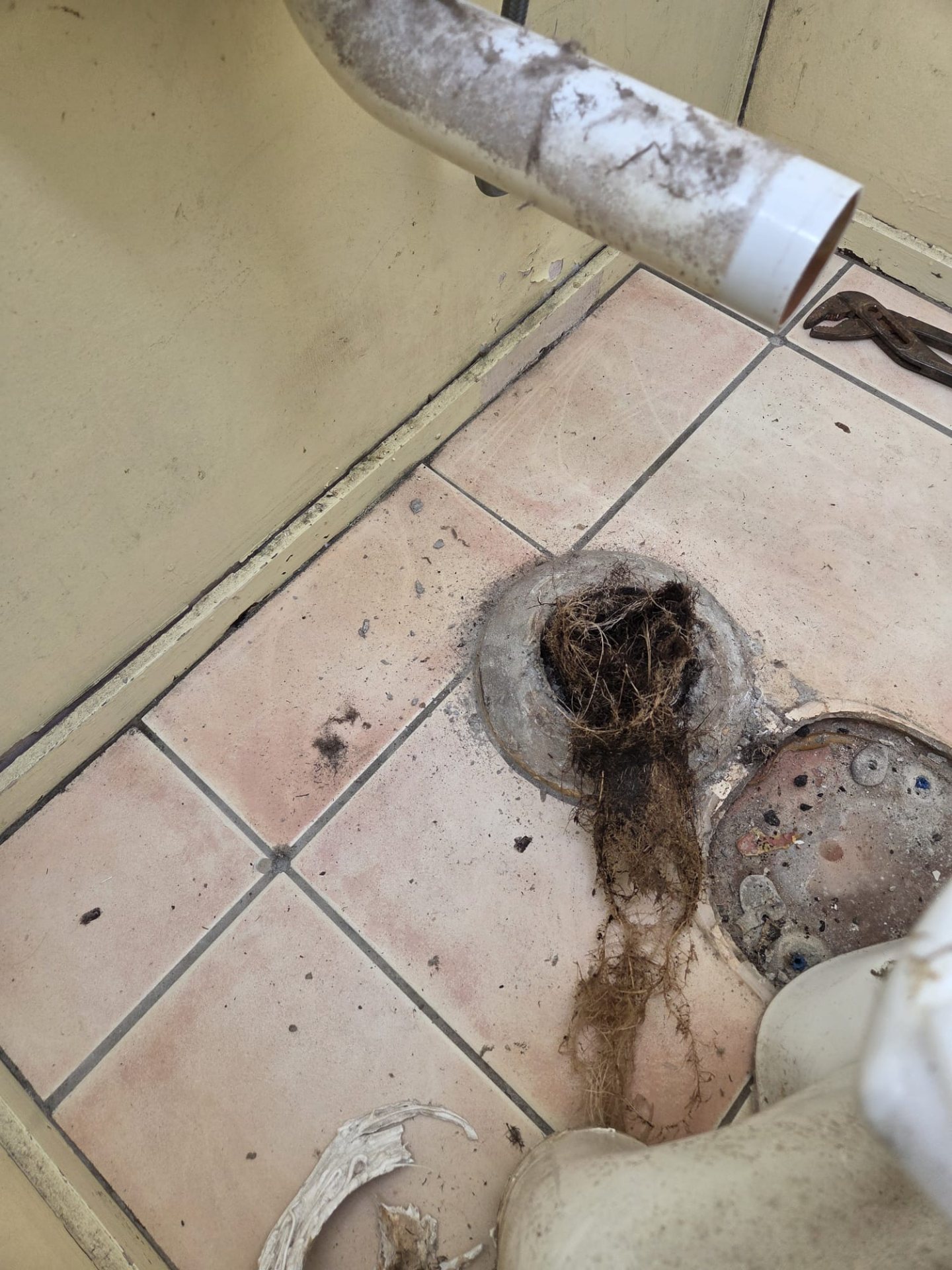
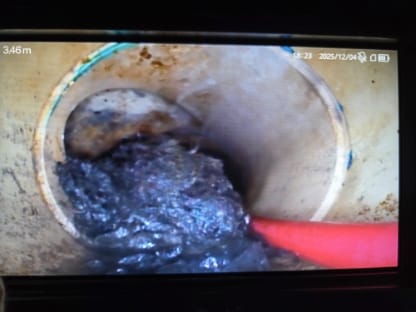
- Consider a professional check if your property is older, heavily treed, or has a history of blockages. A camera inspection can reveal roots or damage before they cause a failure.
- Test the overflow relief gully area outdoors is clear and accessible so it can do its job if the main ever backs up.
A drain that blocks twice in a year is telling you something. Investigating the cause once is cheaper than clearing the symptom forever.
When to bring in a professional
Home maintenance handles prevention, but some things need trained help:
- Blockages that keep returning despite good habits.
- Multiple fixtures affected at once — a sign of a blocked sewer main.
- Persistent odours, gurgling or slow drainage across the house.
- Any suspicion of roots or a damaged pipe, best confirmed with a CCTV inspection.
Why a schedule pays off
The maths is simple. A few minutes of upkeep prevents most blockages, and catching a small issue early avoids the cost and disruption of an emergency later. Combined with good daily habits from how to prevent blocked drains, a modest routine keeps a typical home trouble-free for years. If you would like advice tailored to your property, reach a licensed plumber via the contact page.