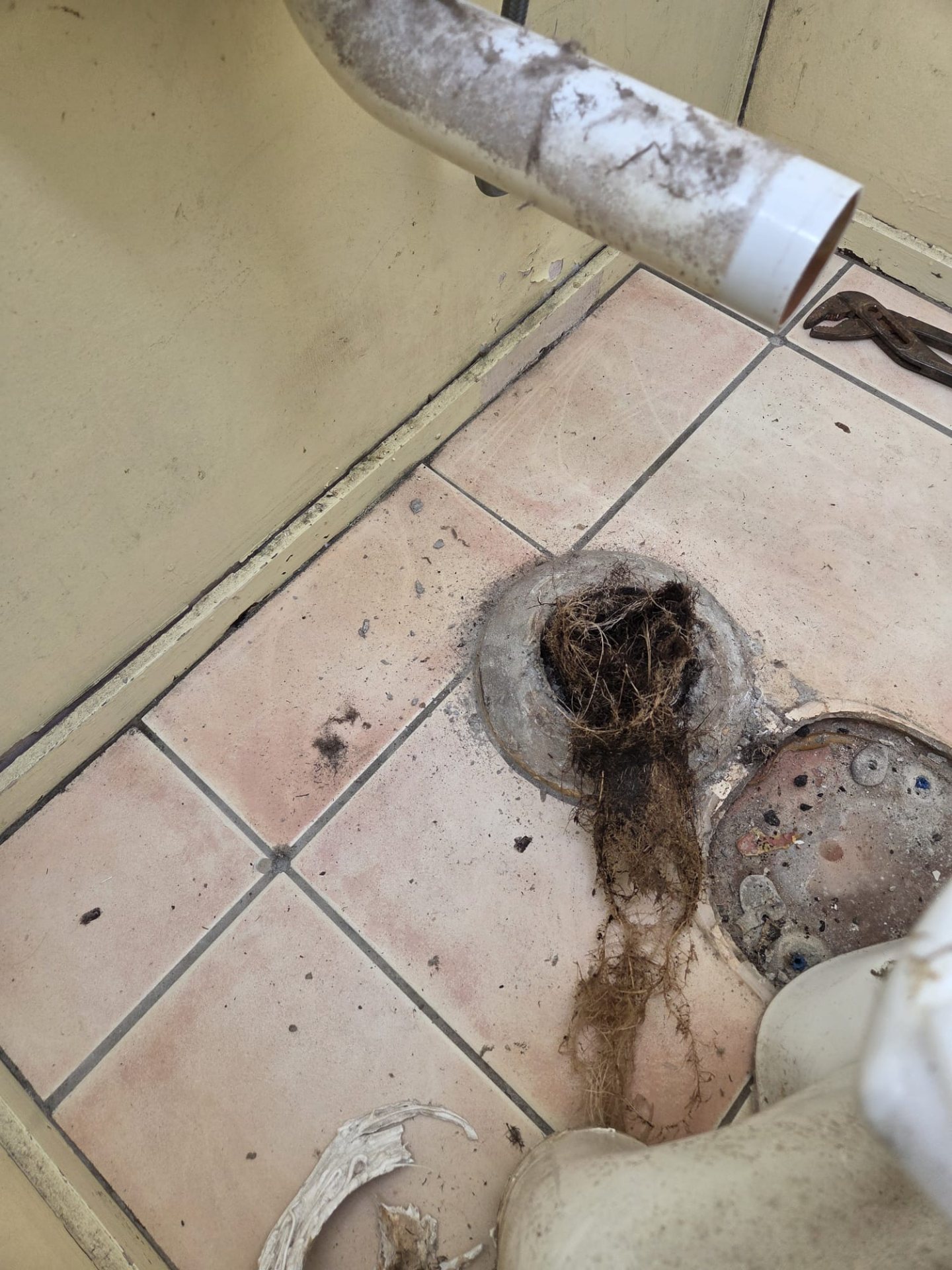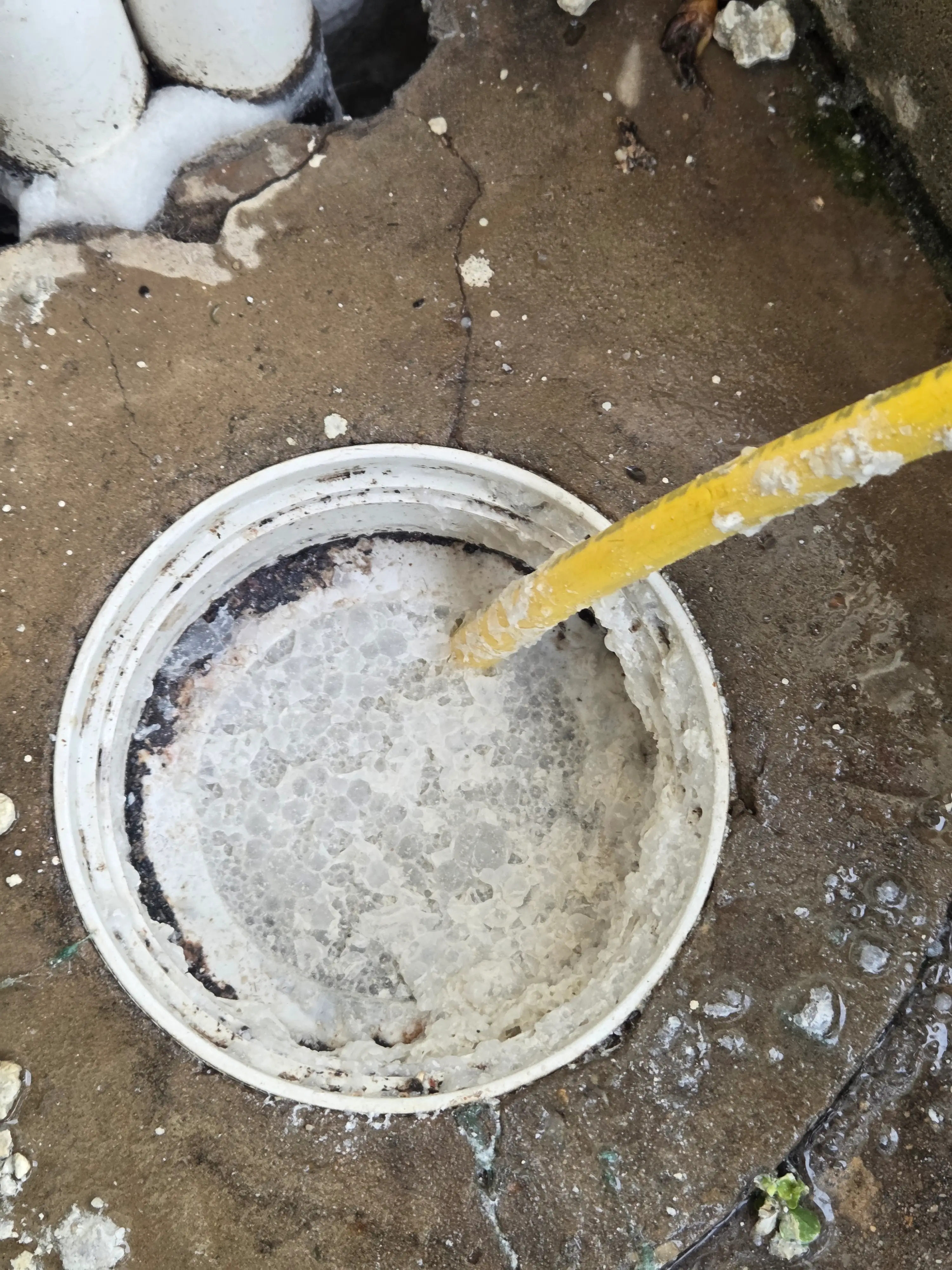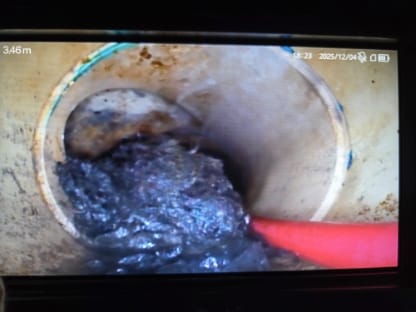
Some blockages are caused by build-up over time. Others are caused in a single moment — the instant something goes down the toilet or drain that was never meant to. Foreign objects and so-called "flushable" wipes are among the most frustrating causes of blocked drains precisely because they are so avoidable. Understanding what does and does not break down in the sewer system is one of the most useful pieces of drainage knowledge a household can have.
The "flushable" wipe problem
Wet wipes marketed as "flushable" are one of the biggest modern causes of drain and sewer blockages. The word on the packet means only that the wipe will disappear from view when you flush — not that it breaks down like toilet paper. Toilet paper is designed to disintegrate within seconds in water. Most wipes, by contrast, are made from strong, cloth-like fibres that hold together for a very long time.
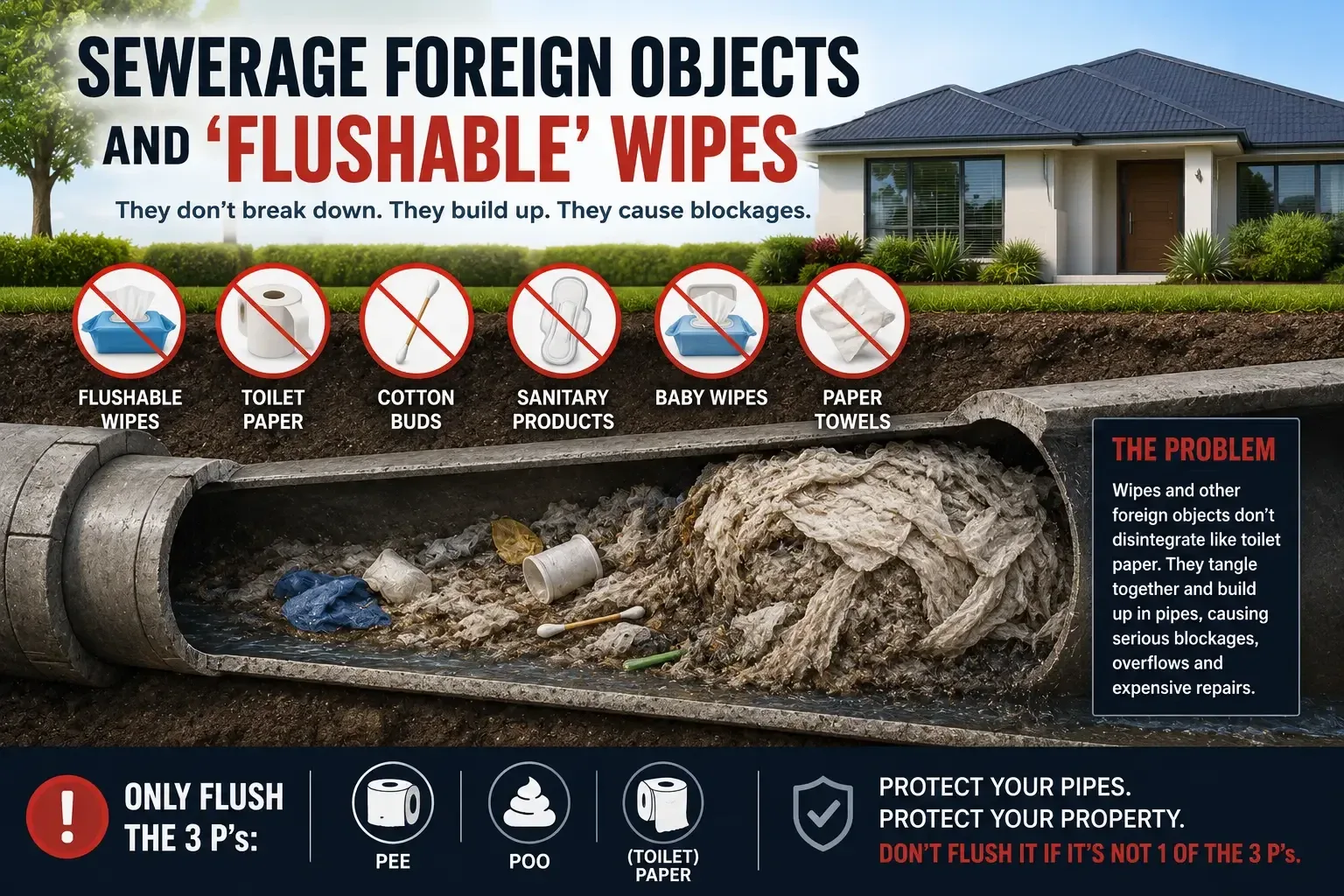
Once in the pipe, wipes snag on joints, roots and rough sections, then catch more wipes and debris behind them. In sewers around the world they combine with congealed fat to form large, dense masses that block pipes and pumps. What looks like a convenient flush becomes a stubborn blockage that often needs professional removal.
The only "wipe" that is truly safe to flush is no wipe at all. If in doubt, bin it — toilet paper is the only paper product designed to break down in your drains.
Everyday objects that block drains
Beyond wipes, a surprising range of items ends up in toilets and drains, each capable of causing a blockage:
- Sanitary products and nappies — designed to absorb and swell, exactly the wrong quality in a drain.
- Cotton buds, cotton pads and dental floss — small but they tangle and snag readily.
- Paper towel and tissues — much tougher than toilet paper and slow to break down.
- Children's toys and small household items — a very common cause of a completely blocked toilet.
- Food scraps, coffee grounds and cat litter flushed to "save" the bin.
- Excess toilet paper — even the right product can block if used in large wads.
Any of these can lodge in the pipe and form the anchor for a growing blockage.
How wipes and fat make it worse
The real trouble starts when two problems meet. Fat poured down a kitchen sink hardens on the pipe wall, and wipes flushed from the bathroom snag on that fat. The wipes trap more fat and debris, the mass grows, and eventually the pipe chokes. This combination is behind many of the large blockages that plague sewers. Keeping both fat and wipes out of the system is the most effective prevention. You can read more about the fat side of this in the grease and fat blockages lesson.
A simple rule for the toilet
There is an easy rule of thumb that avoids almost all of these blockages: only ever flush the "three Ps" — pee, poo and (toilet) paper. Everything else belongs in the bin. Keep a small covered bin in the bathroom so wipes, sanitary items and cotton buds have somewhere to go, and the temptation to flush disappears.
What to do if an object is stuck
If a solid object such as a toy has gone down the toilet and caused a blockage, resist the urge to keep flushing — that only risks an overflow. For a soft blockage, a plunger or toilet auger may shift it. A hard object lodged in the trap or pipe often needs to be physically removed, sometimes by taking the toilet off its seal, which is best left to a licensed plumber to avoid damage. For more detail, see the blocked toilet lesson.
If something is stuck and normal methods are not working, forcing it can make matters worse. Reach out through the contact page and a professional can remove it safely.