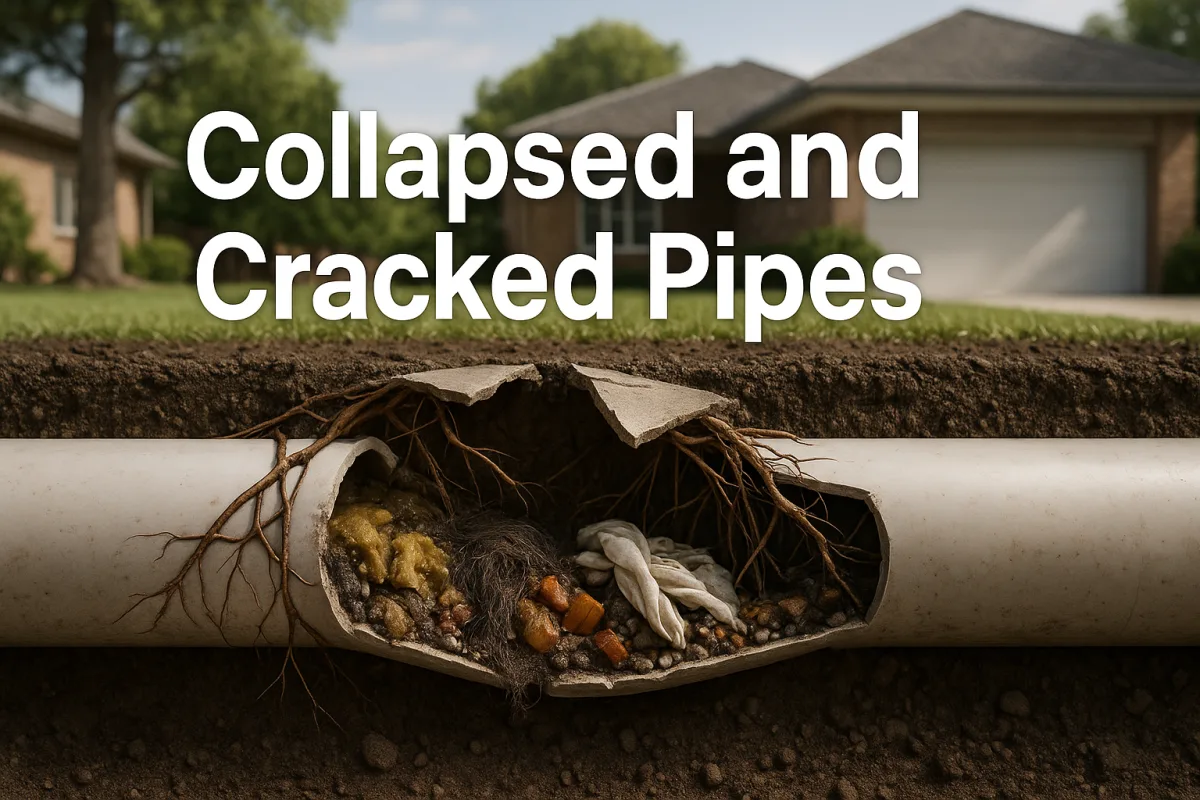
Most blockages sit inside a sound pipe and can be cleared. A collapsed or cracked pipe is a different problem altogether: the fault is with the pipe itself. When the structure fails, waste snags, pools and blocks no matter how many times you clear it. Recognising a structural fault — rather than treating it as an ordinary clog — saves you from paying to clear the same drain over and over while the real problem gets worse.
Why pipes crack and collapse
Underground pipes are under constant pressure from the ground around them, the traffic above them and the material they are made of. Several factors lead to structural failure:
- Ground movement — soil that shifts, settles or heaves puts bending stress on rigid pipes until they crack.
- Age and material fatigue — older earthenware and early materials become brittle and fracture over decades.
- Corrosion — some older metal pipes corrode from the inside out, thinning the wall until it fails.
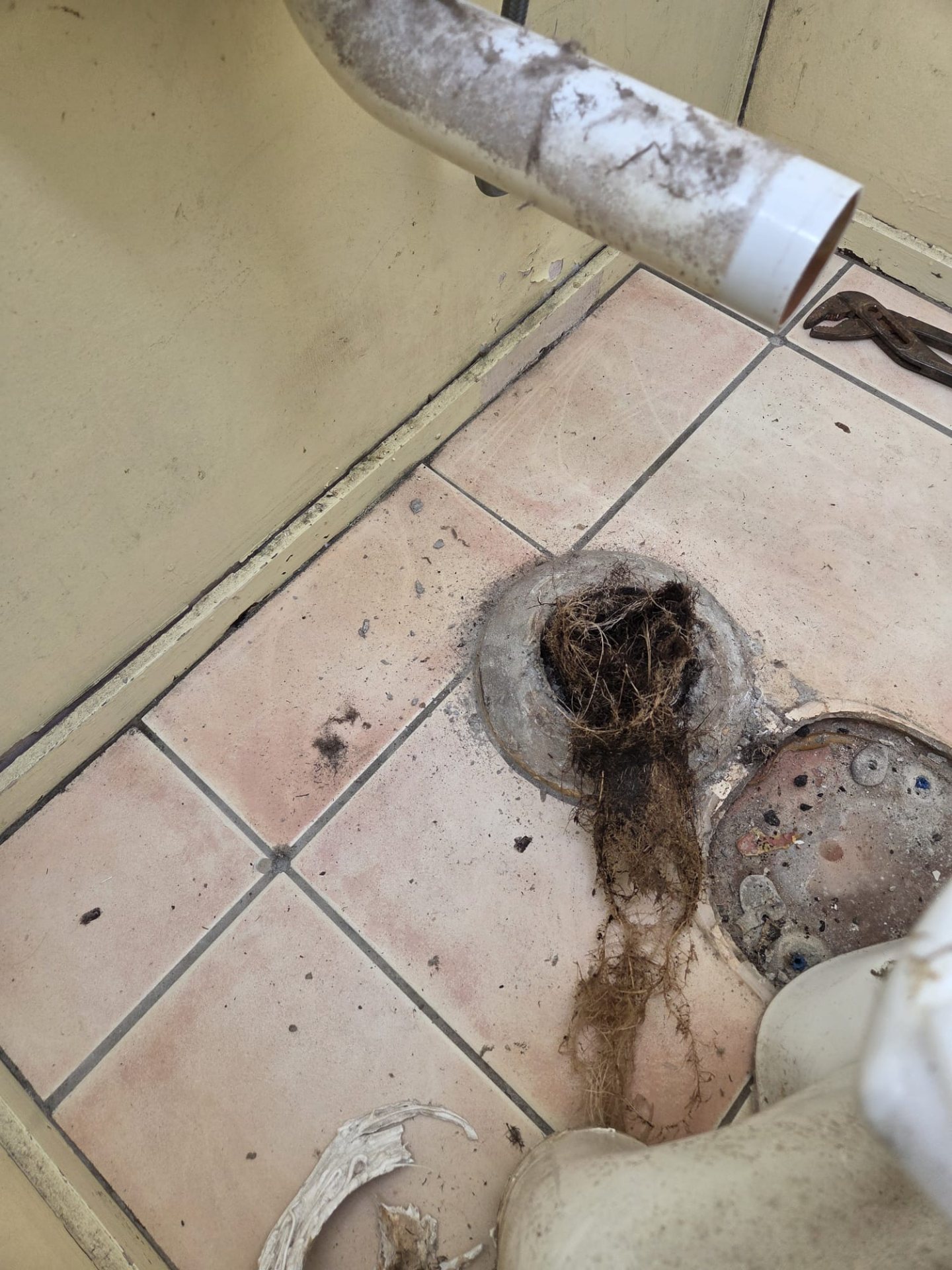
- Tree roots — roots that enter through a small crack expand and widen it, eventually breaking the pipe apart.
- Poor installation or bedding — a pipe laid on uneven support can sag or crack under load.
- Heavy loads above — vehicles or construction over a shallow pipe can crush it.
The Brisbane clay factor
Brisbane's reactive clay soils deserve special mention. These soils swell dramatically when wet and shrink as they dry out. Across Brisbane's wet summers and dry spells, the ground around a buried pipe is in constant motion, expanding and contracting with the seasons. This repeated movement flexes and stresses rigid pipes and their joints, and over years it is a leading cause of cracks, displaced joints and sag. Combined with mature tree roots, it makes structural pipe faults a genuinely common issue in established Brisbane suburbs.
Sags and bellies
Not every structural fault is a clean break. A very common one is a sag or belly — a section of pipe that has dropped below its intended fall, creating a low point. Water and solids collect in the dip instead of flowing through, so it acts like a permanent trap that catches debris and blocks repeatedly. A sag cannot be cured by clearing; the pipe's fall has to be corrected.
If a drain blocks in exactly the same place time after time, the pipe is telling you something. Repeated blockages at one spot are a classic sign of a sag, crack or collapse.
Signs of a structural fault
Structural problems tend to share a set of tell-tale signs:
- Blockages that keep returning in the same location despite clearing.
- Slow drainage across multiple fixtures that never fully resolves.
- Patches of unusually green or lush lawn, or damp, sunken ground over the pipe route.
- Persistent sewer odours outside.
- Cracks in paths or paving, or a dip appearing in the yard above a pipe.
These overlap with root intrusion, which often goes hand in hand with structural damage — see the tree roots in drains lesson.
Confirming the problem
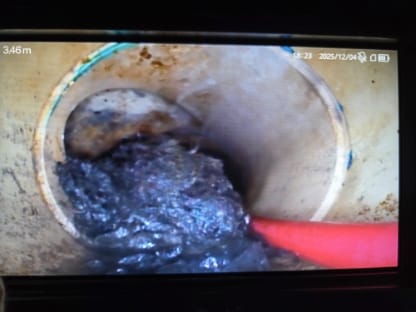
You cannot fix what you cannot see. The reliable way to confirm a crack, sag or collapse is a CCTV camera inspection, which shows the exact fault and its location so a repair can be planned precisely rather than by digging blindly. This step turns a guessing game into a clear plan.
Repair options
Once the fault is confirmed, the main options are:
- Pipe relining — a new seamless liner is cured inside the existing pipe, sealing cracks and joints without excavation. Best where the host pipe still holds its shape.
- Excavation and replacement — the damaged section is dug up and replaced. Needed where a pipe has fully collapsed or lost its shape, or where a sag must be re-laid to the correct fall.
- Point repairs — a localised repair to a short damaged section, where appropriate.
The right choice depends on the pipe material, the type and extent of damage, and access. A professional assessment after a camera inspection is what determines the most cost-effective, lasting fix.
If your drain blocks repeatedly in the same place, clearing it again is only postponing the real repair. Explore the services available or get in touch via the contact page to have the pipe properly assessed.