Not every slow drain is a crisis. A single sluggish basin usually means a local clog close to that fixture. A blocked sewer main is different, and far more serious, because it affects the one pipe that carries wastewater away from your entire home. When that main line clogs, everything upstream of the blockage starts to back up. Learning to spot the early signs can save you from raw sewage in the house and a much larger repair bill.
Local blockage versus main line blockage
The key question is simple: is only one fixture affected, or several? A local blockage sits in the branch pipe serving a single sink, shower or toilet, so only that fixture misbehaves. A sewer main blockage sits in the shared line downstream, so it tends to affect multiple fixtures at once, especially the lowest ones in the house.
- One fixture affected — likely a local branch clog you may be able to clear yourself.
- Several fixtures affected — points to the main line and usually needs a professional.
- Lowest fixtures worst — ground-floor toilets, showers and floor wastes back up first because they sit closest to the main.
The classic warning signs
A blocked sewer main rarely fails without warning. Watch for a combination of these symptoms rather than any single one:
- Multiple slow drains across the house at the same time.
- Gurgling toilets or drains — trapped air escapes as water struggles past the blockage, making bubbling noises.
- Water rising in odd places — flushing the toilet makes the shower drain bubble, or water backs up into the bath.
- Foul odours indoors or around the yard, as sewer gases can no longer vent properly.
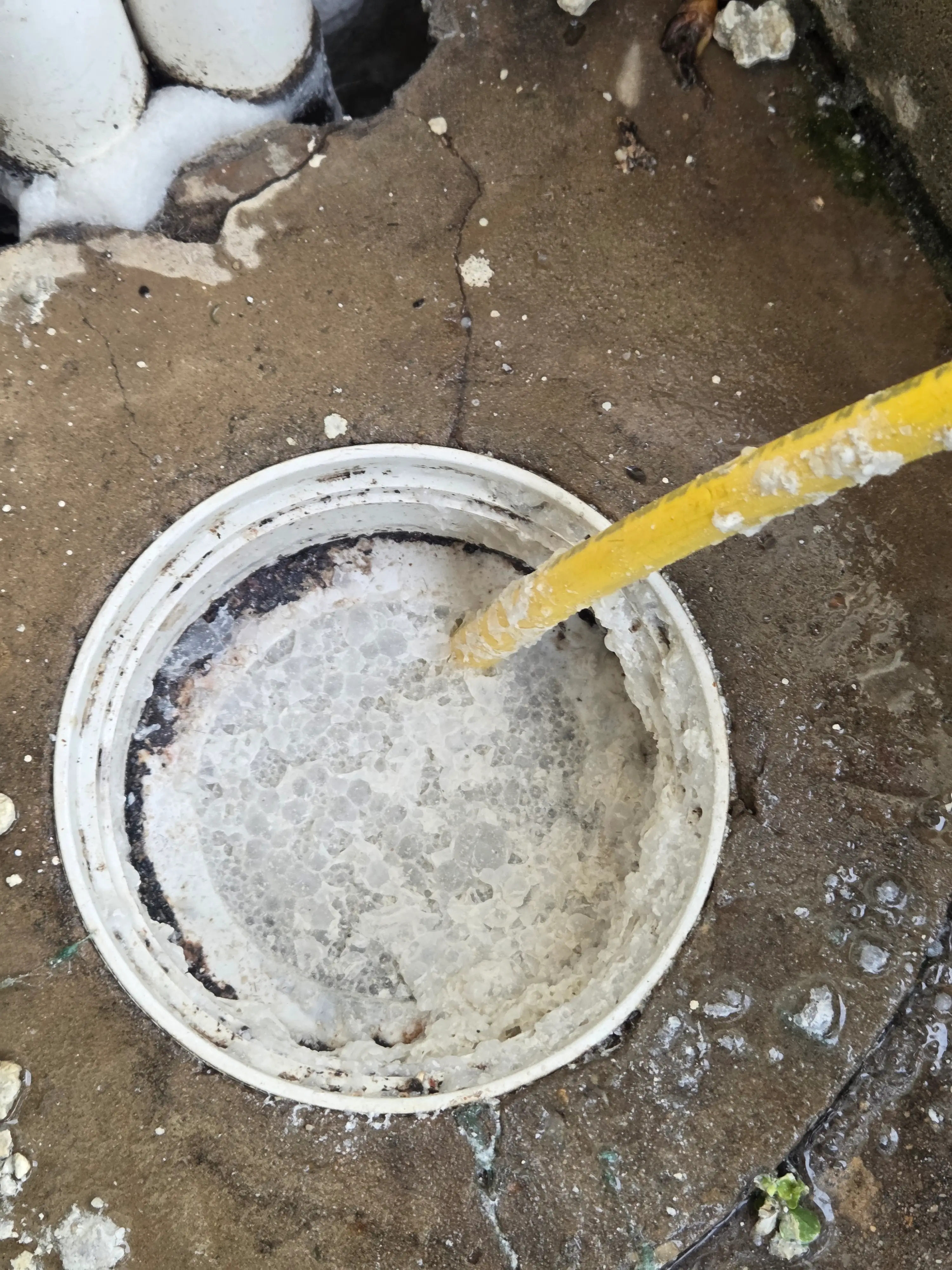
- An overflowing gully or inspection point outside, often the first place sewage surfaces.
If flushing a toilet causes water or bubbling to appear in a different fixture, treat it as a main line problem until proven otherwise.
Why the overflow relief gully matters
Many Australian homes have an overflow relief gully outside — a capped or grated drain point set slightly lower than the lowest indoor fixture. It is designed to release sewage safely outside rather than through your floor wastes if the main blocks. If you notice water or waste pooling around this gully, it is a strong sign the main is blocked and the system is doing its job by overflowing outdoors instead of indoors.
Brisbane factors that raise the risk
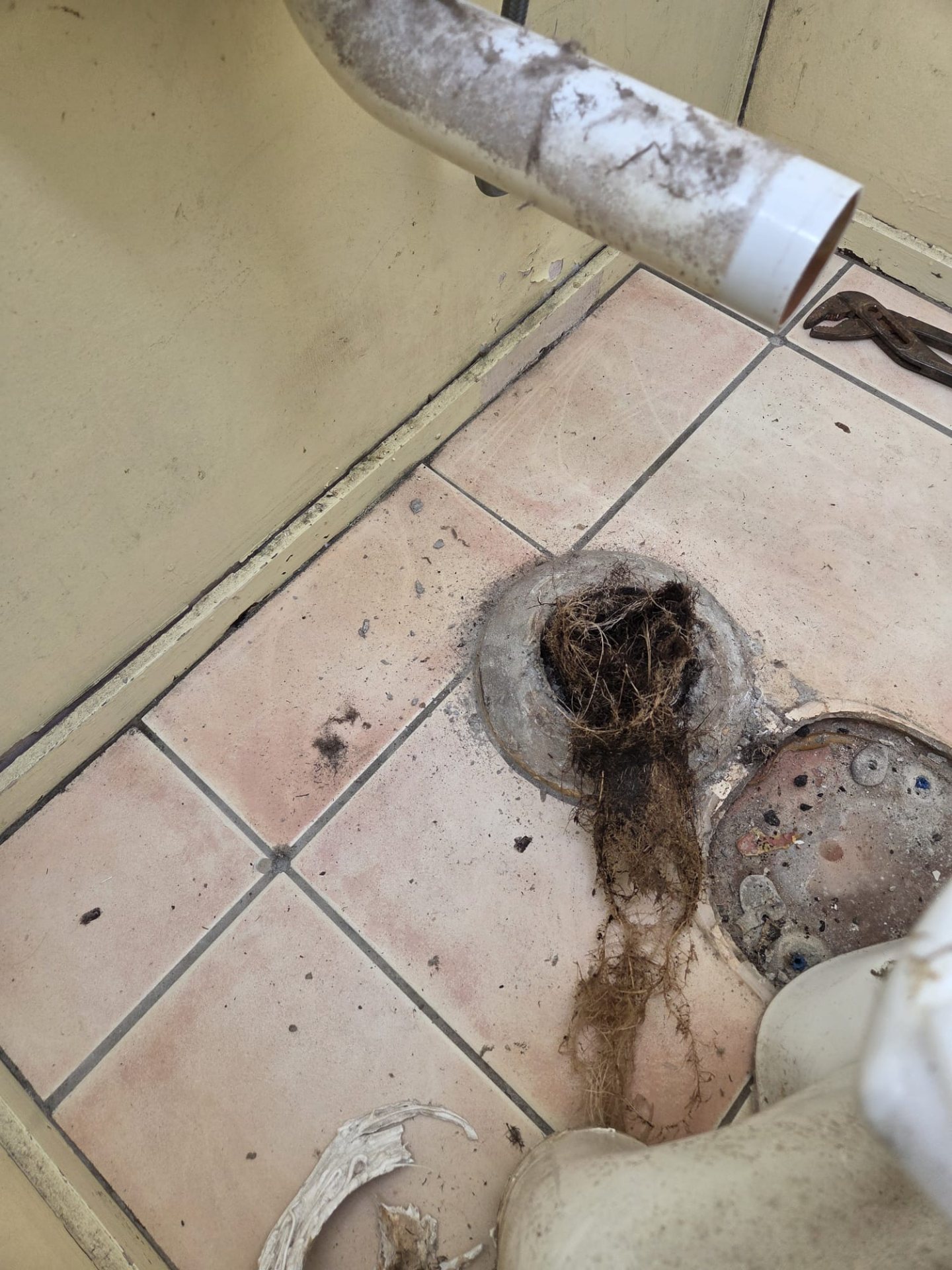
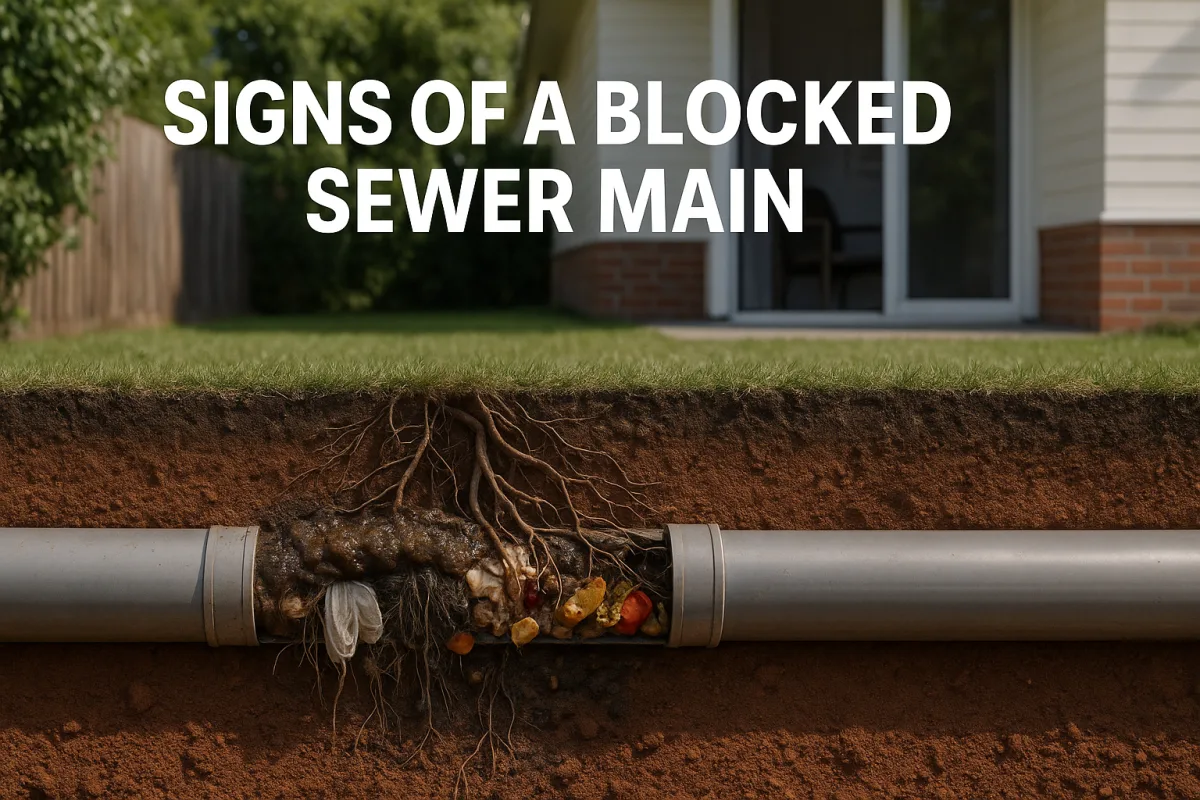
Established Brisbane suburbs are full of mature trees and clay-heavy soils, a combination that puts sewer mains under constant pressure. Roots seek out moisture at pipe joints, and reactive clay swells and shrinks with wet and dry cycles, shifting older earthenware and early PVC lines. Heavy summer storms can also surcharge the wider network. If your property is older or heavily treed, a recurring main line blockage often has a structural cause worth investigating rather than just clearing repeatedly.
What to do if you suspect a blocked main
- Stop adding water. Avoid flushing toilets, running taps, showering or using the washing machine and dishwasher.
- Check the overflow gully outside so waste has somewhere safe to go, and keep the area clear.
- Keep people and pets away from any sewage, which is a health hazard.
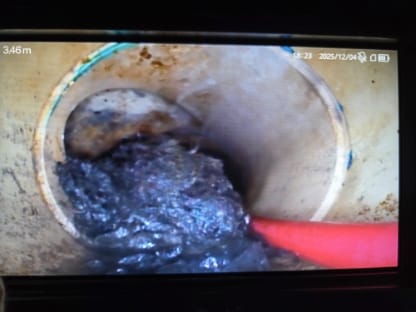
- Call a licensed plumber. A blocked main usually needs professional clearing and often a camera inspection to find the cause.
Because a blocked main can move quickly from nuisance to overflow, it is one of the situations worth treating promptly — see when a blockage is an emergency for guidance on urgency. If clearing does not last, a professional inspection can show whether roots or a damaged section are the real culprit. You can talk through your symptoms any time via the contact page.