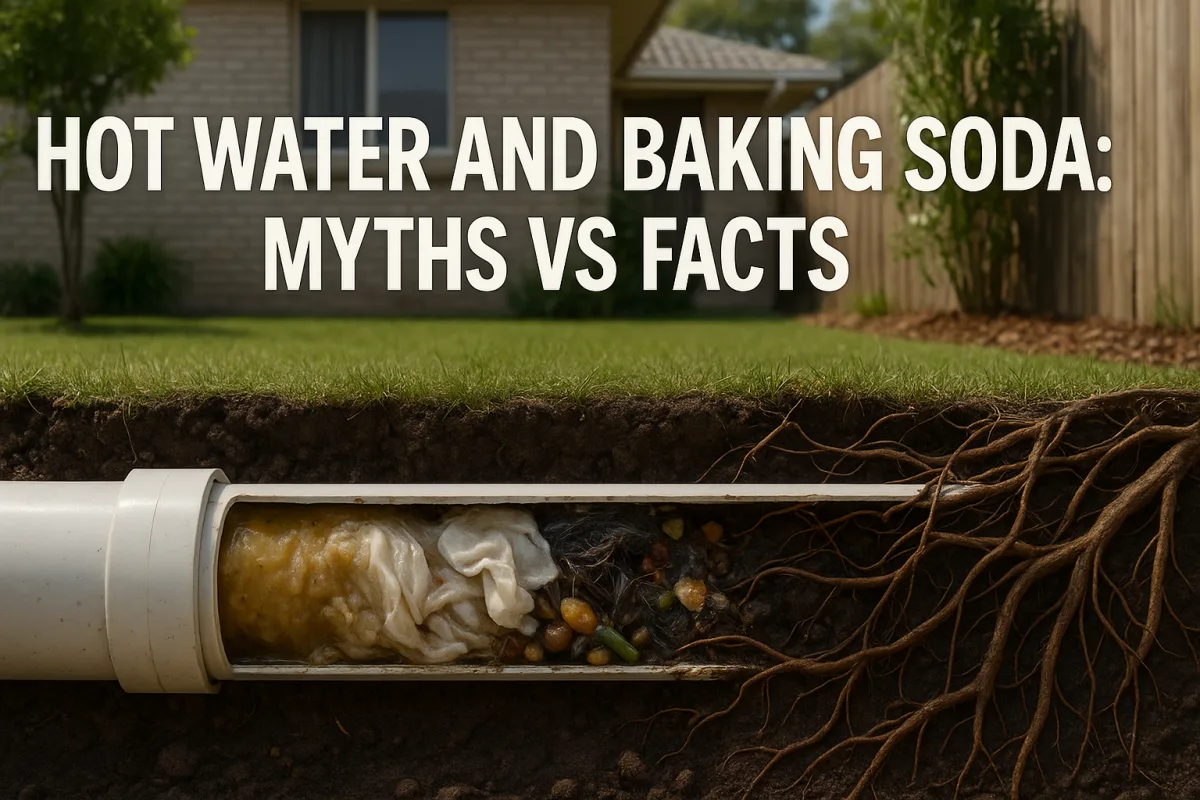
Search for a blocked-drain fix and you will find endless advice about hot water, baking soda (bicarbonate of soda) and vinegar. Some of it is genuinely useful for light maintenance; a lot of it is wishful thinking. Understanding what these remedies actually do helps you use them sensibly and avoid the frustration of expecting a fizzing cup of vinegar to clear a serious blockage.
Hot water: useful, with limits
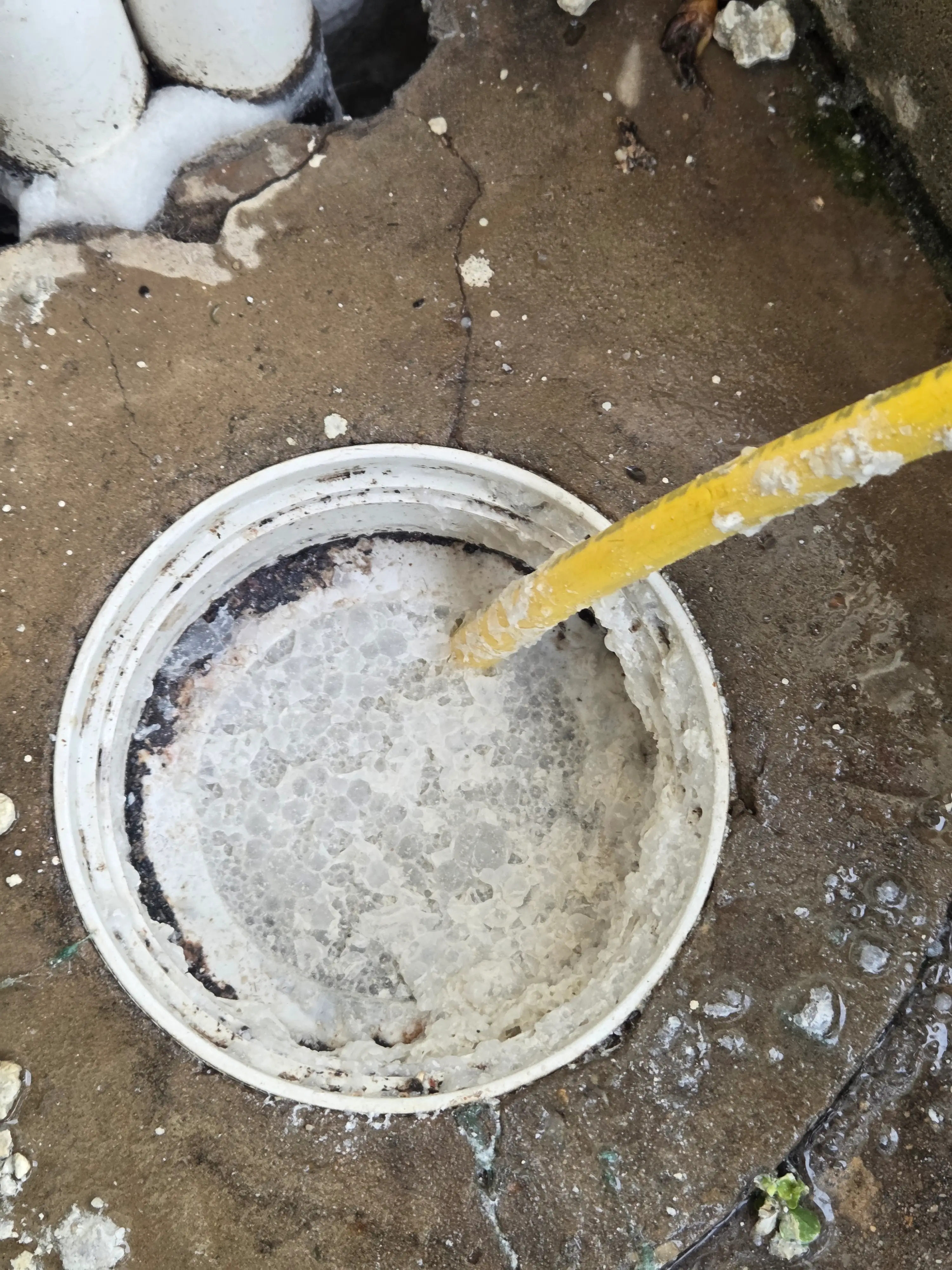
Hot water genuinely helps with greasy, soapy build-up because warmth softens fats and helps them flow. As gentle regular maintenance for a kitchen drain, a flush of hot water after washing up can slow the rate that grease coats the pipe walls. But there are important limits:
- It does not remove solid blockages like food chunks, hair mats or foreign objects.
- Grease that melts and flows on can simply cool and re-set further down the pipe.
- Boiling water can harm some pipes. It may soften or deform certain plastic pipes and their joints, and can crack cold porcelain. Very hot tap water is safer than a kettle of boiling water poured directly in.
Hot water is best thought of as prevention for grease build-up, not a cure for an established blockage.
The baking soda and vinegar myth
The classic remedy is baking soda followed by vinegar, producing a dramatic fizz. That bubbling is a simple acid-base reaction releasing carbon dioxide gas. It looks powerful, but the reaction is:
- Short-lived — the fizzing lasts seconds and quickly neutralises itself.
- Weak — the gentle pressure of gas bubbles has little force against a real clog.
- Self-cancelling — once the acid and base react, you are left mostly with water and a salt, neither of which dissolves grease, hair or waste.
What often gives the impression it "worked" is the hot water people flush through afterwards, plus the mild agitation loosening light residue. For a partly sluggish drain, that can be enough. For a true blockage, it will not be.
What actually helps as maintenance
Used realistically, these methods do have a place in gentle upkeep:
- Regular hot-water flushes to keep grease moving in kitchen lines.
- An occasional baking soda scrub to freshen and deodorise a smelly drain, followed by a hot rinse.
- Physical removal of hair and debris from strainers and stoppers, which prevents far more blockages than any fizzing remedy.
Think of these as light housekeeping, part of a broader drain maintenance schedule, rather than a repair.
When home remedies are the wrong tool
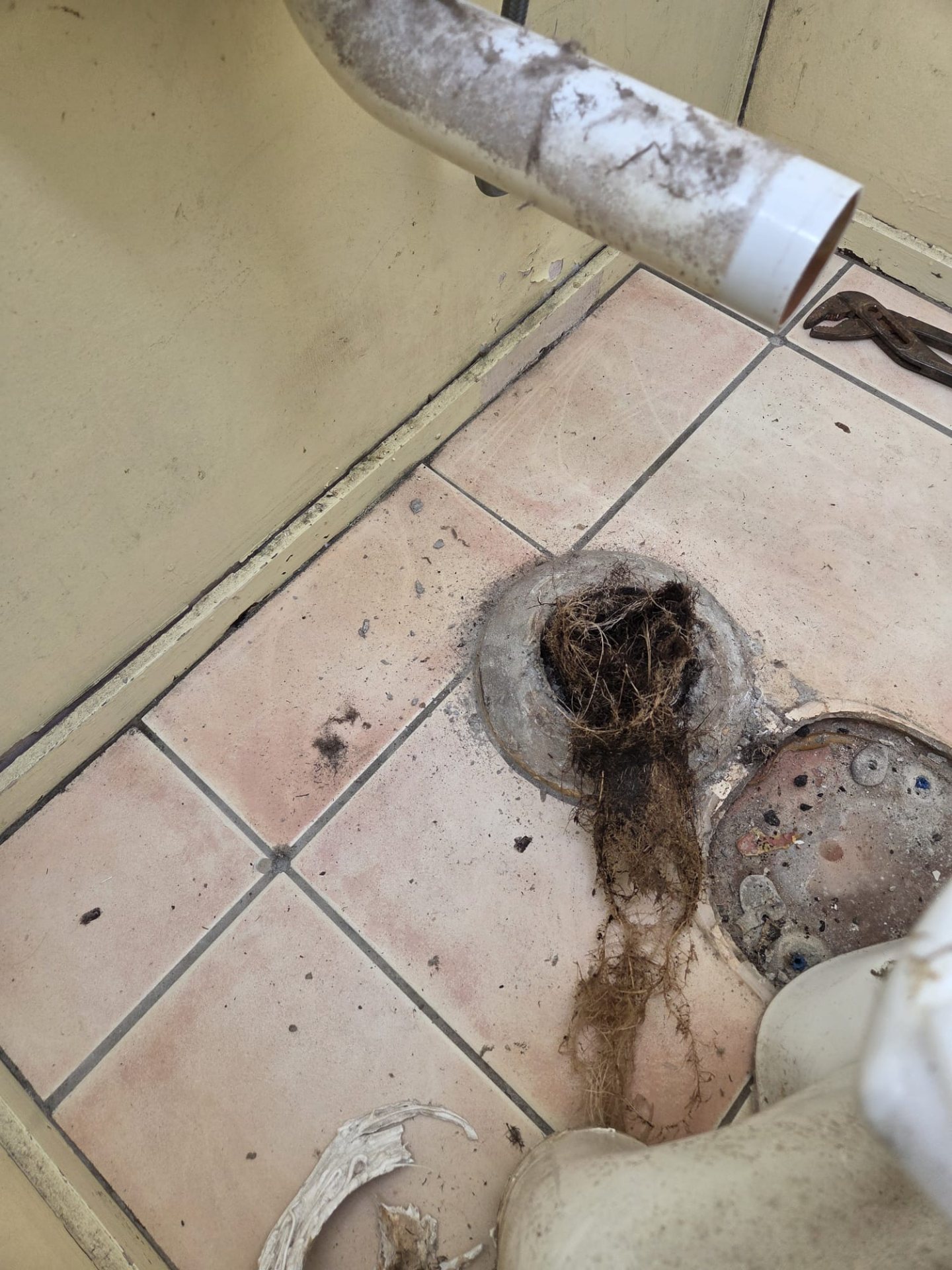
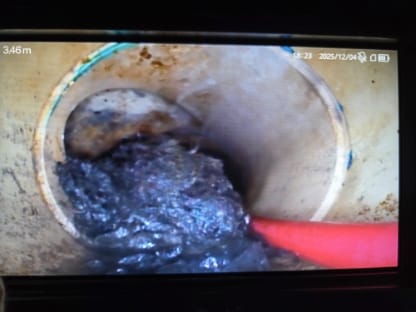
If a drain is fully blocked, backing up, or affecting more than one fixture, no cupboard remedy will fix it. Repeatedly pouring things down the drain also delays proper diagnosis of a real cause such as tree roots or a damaged pipe. Importantly, do not mix home remedies with commercial chemical cleaners — combining acids, bases and caustics can create heat and dangerous fumes. To understand why the harsher store-bought option carries its own hazards, read about the risks of chemical drain cleaners.
The honest verdict
Hot water is a reasonable preventive habit. Baking soda and vinegar make a satisfying fizz and can freshen a drain, but they are not a serious unblocking tool. When a blockage resists gentle methods, the safest and most cost-effective step is a mechanical fix such as plunging or snaking, or a call to a licensed plumber. You can talk options through via the contact page.