A drainage system can seem mysterious because most of it is hidden inside walls or buried underground. But it is really just a set of named parts, each with a clear job, connected in a logical order. Once you can picture the pieces, describing a problem — and understanding a plumber's advice — becomes far easier.
This lesson walks through the components of a typical Brisbane home, roughly in the order water passes through them. If you have not yet read how drains work, that overview pairs well with this tour.
Fixtures and fittings
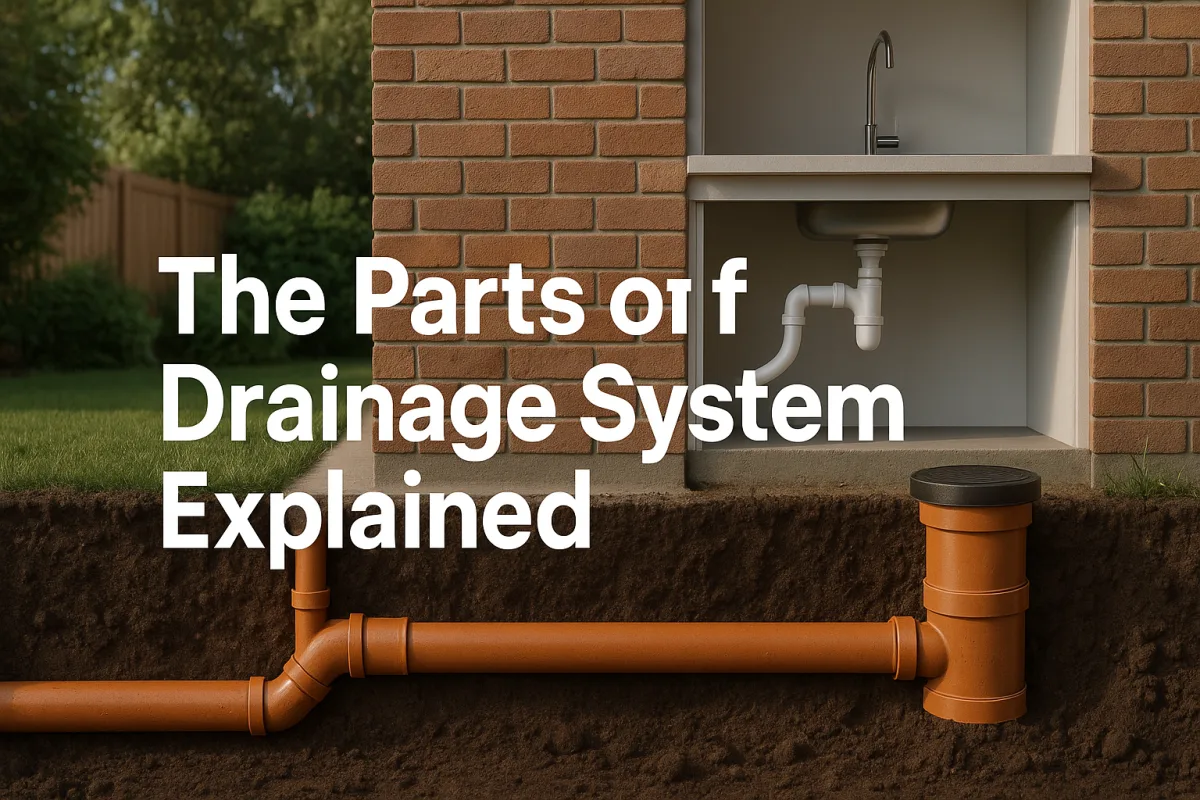
Everything starts at a fixture — the sanitary items you use daily. Each has an outlet that feeds the drainage system:
- Basins, baths and showers
- Kitchen and laundry sinks or tubs
- Toilets (pans)
- Dishwashers and washing machines, which usually discharge via a tub or dedicated point
Every fixture connects to a trap, and from there to the pipes that carry waste away.
Traps
The trap is the curved pipe directly below each fixture. It holds a water seal that prevents sewer odours entering your home while still letting waste pass through. Common shapes include the P-trap and S-trap. Because the seal can be lost through evaporation or siphoning, traps are one of the most common sources of drain smells — a topic covered in detail in what is a drain trap.
Branch drains and the main drain
From each trap, a branch drain carries waste towards the larger pipes. Branches from several fixtures join together, eventually reaching the main drain — the principal pipe that collects all wastewater and carries it to the property boundary. Branch drains are smaller in diameter; the main drain is larger to handle the combined flow.
Stacks and vents
In a multi-storey home, a vertical pipe called a stack carries waste down from upper levels. The upper section of a stack usually continues above the roofline as a vent, letting air in and out so pressure stays balanced and trap seals are not siphoned away. Additional vent pipes may branch off to serve fixtures far from the main stack. Vents are explained further in understanding drain vents.
If a drainage system is a tree, the fixtures are the leaves, the branch drains are the twigs, the main drain is the trunk, and the vent is the way the whole tree breathes.
Gully traps
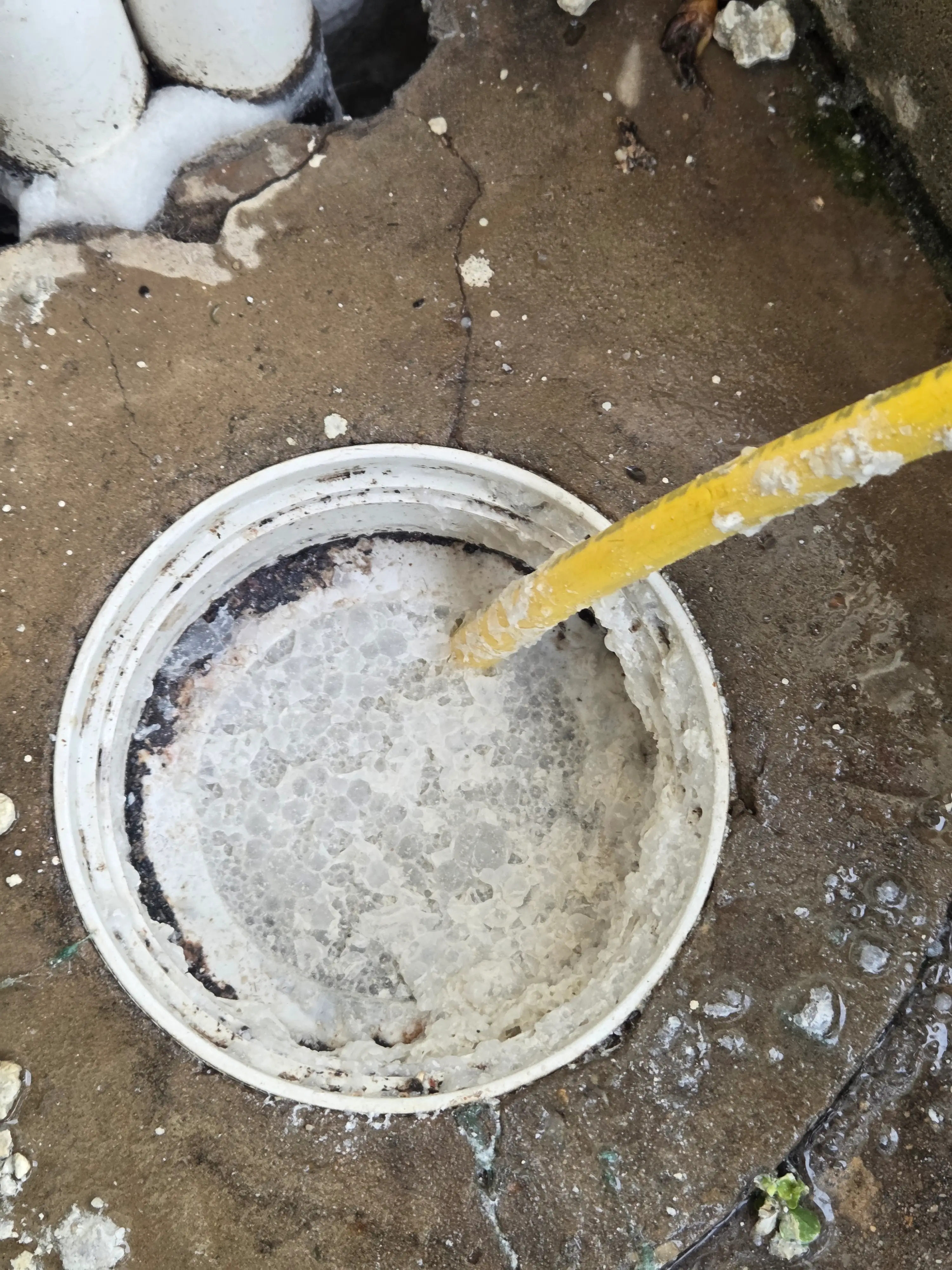
Outside the home, a gully trap is a fitting set into the ground, usually with a grated dish at the surface. It receives wastewater from certain fixtures and acts as another water-sealed barrier against odours, while also providing an overflow point that keeps any surcharge outside rather than inside the house. Because they are open to the air, gullies need to be kept clear of leaves and debris — more on this in gully traps explained.
Inspection chambers and access points
A drainage system needs points where it can be accessed for cleaning and inspection. These include:
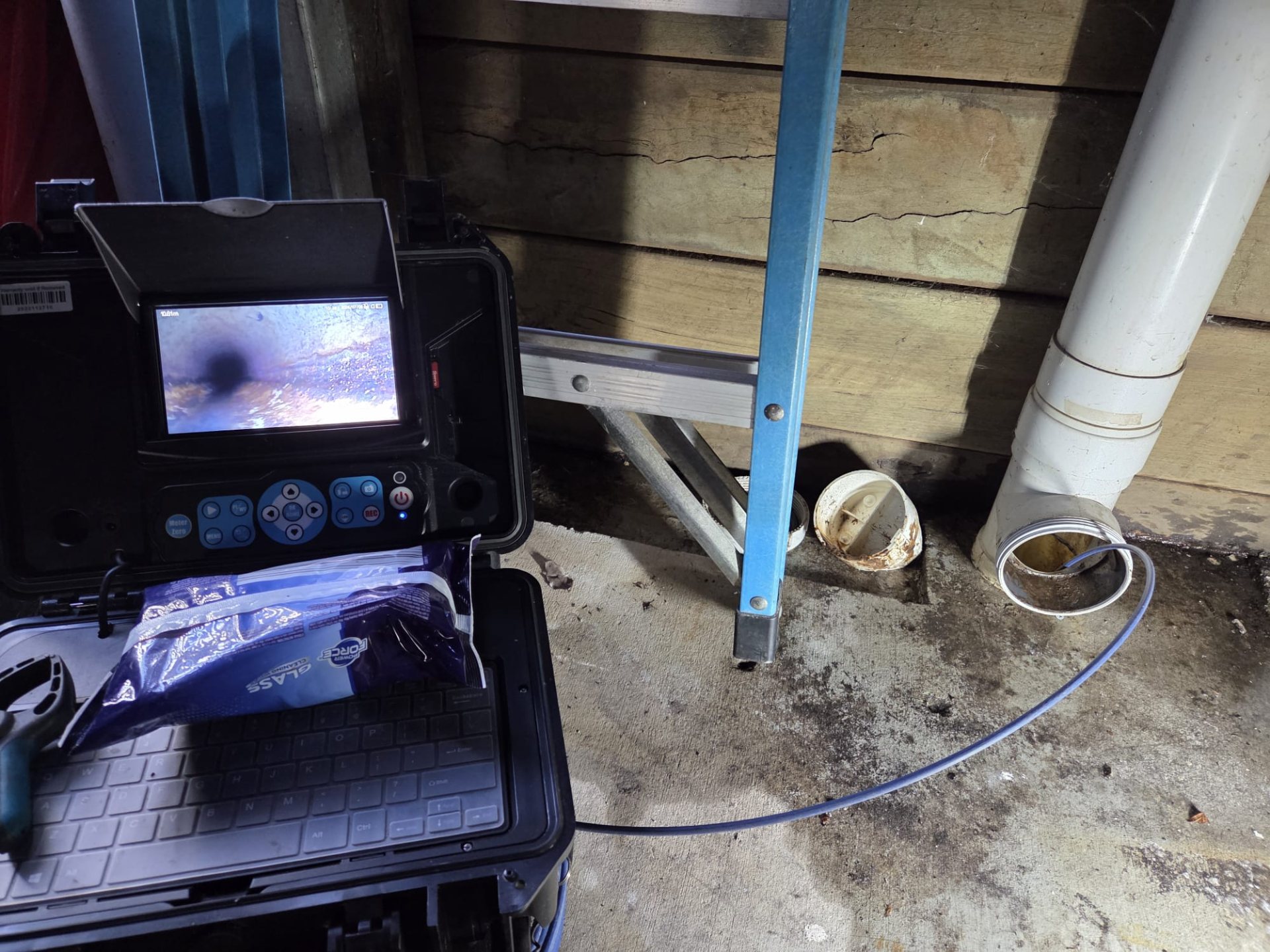
- Inspection openings (IOs) — capped access points where a plumber can insert an eel, jetter or camera.
- Inspection chambers — larger junctions, often where several drains meet or the line changes direction, allowing easier access underground. See what is an inspection chamber.
- Boundary shafts or connection points — where the property's drain hands over to the public sewer.
Where your system ends and the public network begins
At the boundary, your private drainage connects to the public system. From there, the water authority manages the sewer mains, while the council typically manages the stormwater network of pit inlets, pipes and outfalls. As a property owner you are generally responsible for the pipes on your side of the connection, so knowing where your drains run is genuinely useful — for maintenance, renovations and landscaping alike.
Understanding these parts turns a confusing tangle into a clear map. If you would like to know where the drains run on your own property, or want an access point checked, a licensed plumber can help — start a conversation through the contact page or explore the available services.