Most blocked drains are not bad luck — they are the slow result of everyday habits. The good news is that the same is true in reverse: a handful of simple routines prevent the large majority of blockages. Prevention costs almost nothing, avoids the mess and stress of a backup, and spares you repeated call-outs. Here is how to keep each part of your drainage system flowing.
What causes most blockages
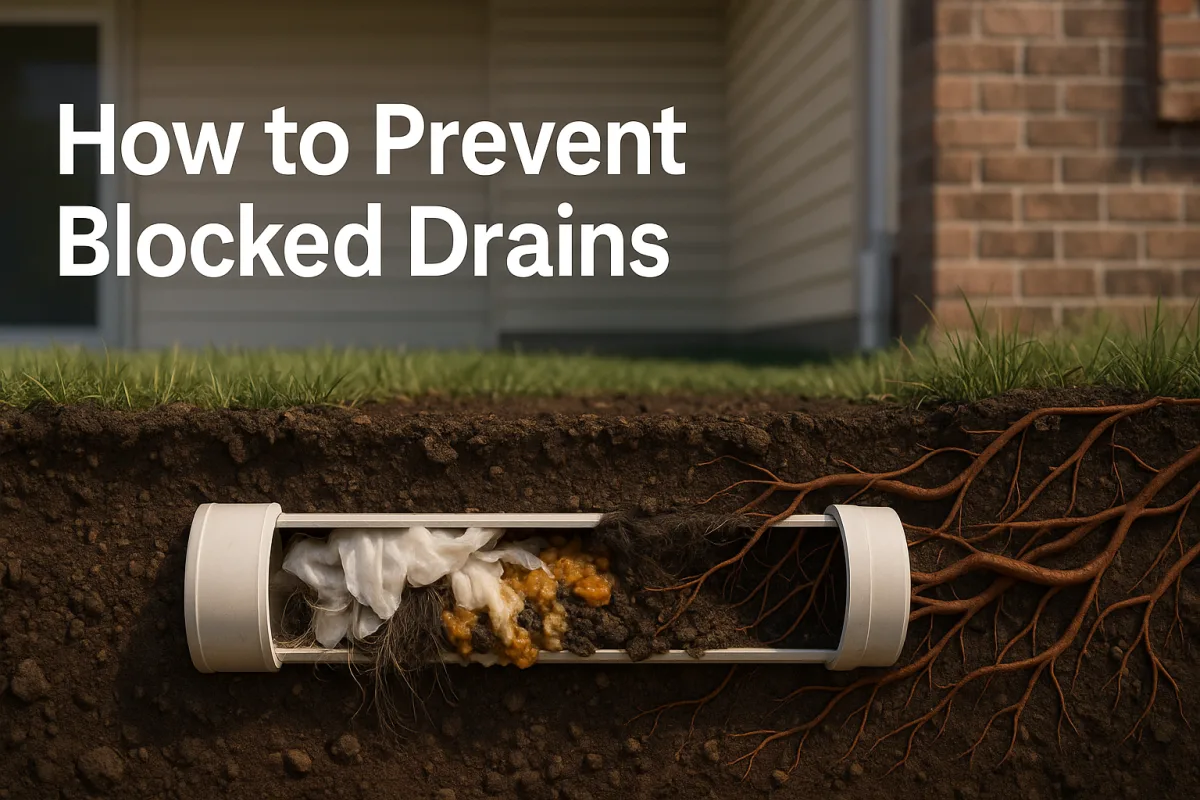
Before the fixes, it helps to know the usual culprits:
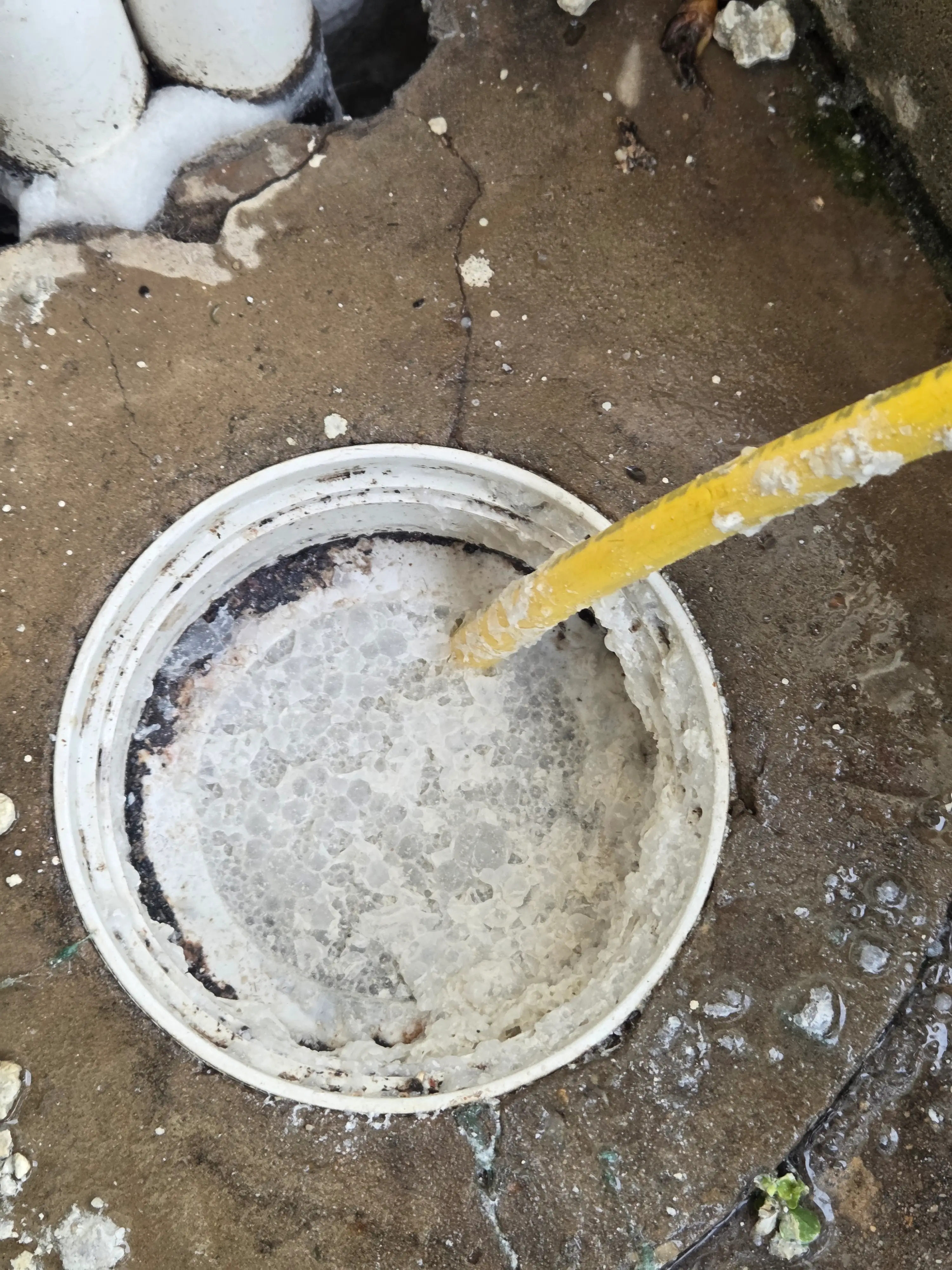
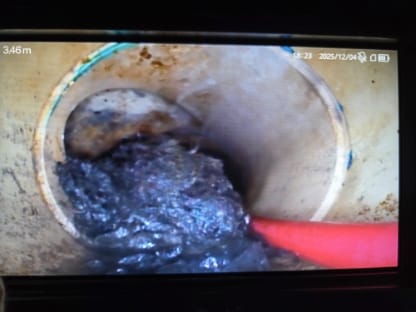
- Fats, oils and grease poured down kitchen sinks, which cool and coat the pipe.
- Hair and soap combining into mats in bathroom wastes.
- Wipes, sanitary items and excess paper flushed down toilets.
- Food scraps washed off plates.
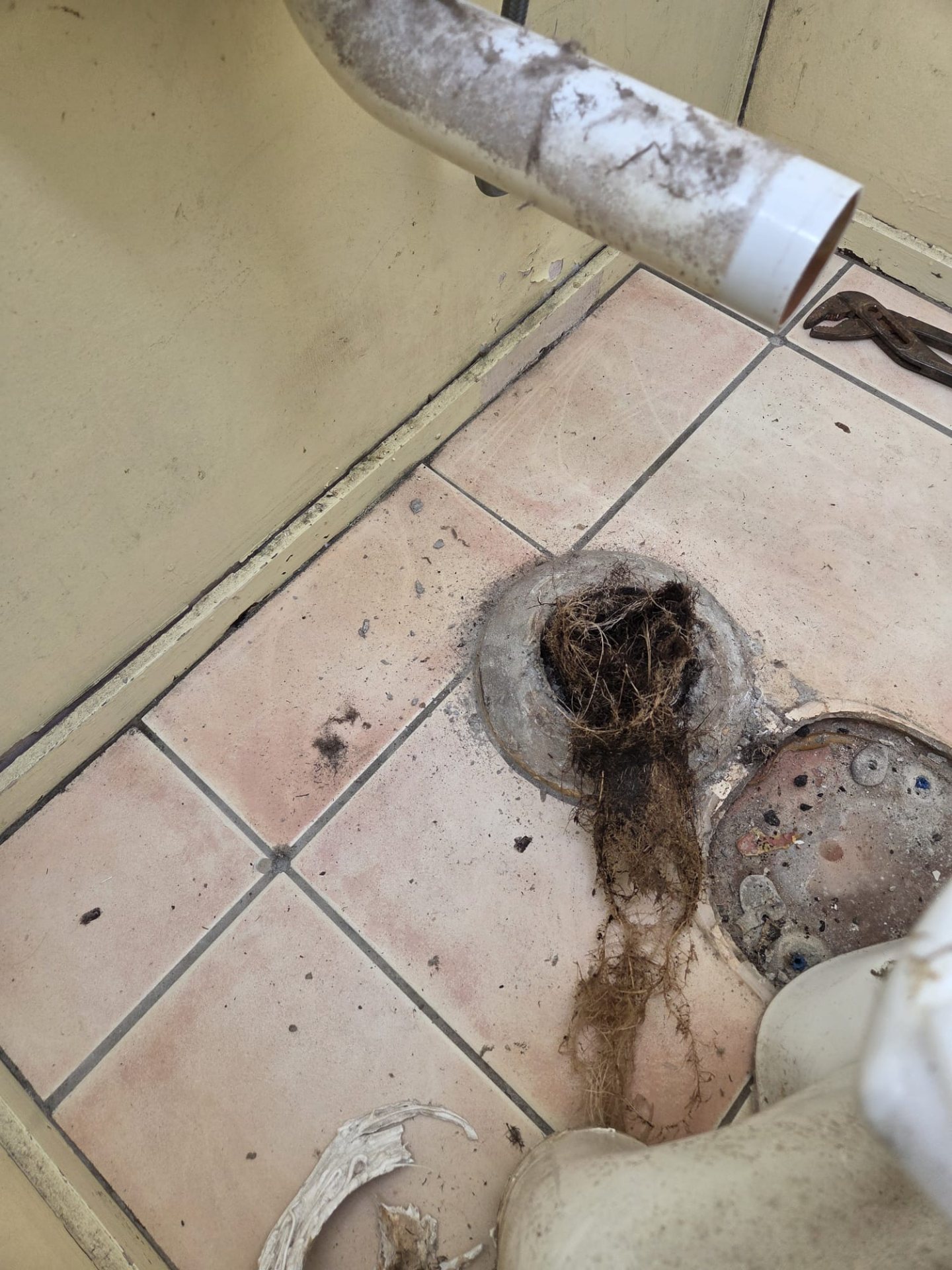
- Leaves, silt and tree roots in outdoor and stormwater lines.
In the kitchen
- Never pour fats, oils or grease down the sink. Let them cool and solidify, then bin them, or collect them in a container.
- Scrape plates into the bin before washing, and use a sink strainer to catch scraps.
- Flush with hot water after washing up to keep any residual grease moving — a gentle habit covered in hot water and baking soda myths.
- Be cautious with fibrous scraps and coffee grounds, which clump and clog easily.
In the bathroom
- Fit strainers over shower and basin wastes to catch hair, and empty them regularly.
- Brush out loose hair before showering to reduce what reaches the drain.
- Wipe excess product and avoid washing large amounts of soap slivers or clay-based products down the drain.
In the toilet
The rule is simple: only the "three Ps" — pee, poo and (toilet) paper — belong in the toilet. Everything else goes in the bin, including so-called flushable wipes, which do not break down like paper and are a leading cause of blockages.
- Keep a bin in the bathroom for wipes, sanitary items, cotton buds and floss.
- Do not use the toilet as a rubbish bin for tissues or food.
- Go easy on excessive amounts of paper in a single flush.
If in doubt, bin it. Almost every item people ask about — wipes, nappies, cotton buds, cooking oil — belongs in the bin, not the drain.
Outdoors and stormwater in Brisbane
Brisbane's mature trees, clay soils and heavy summer storms make outdoor drainage a special focus:
- Clear gutters and downpipes regularly, especially before storm season, so leaves do not wash into stormwater lines.
- Keep grates and pits free of debris so water can drain during downpours.
- Watch tree planting near drains. Roots seek moisture at pipe joints; avoid planting thirsty species over known drain runs.
- Never let building sand, cement or paint wash into stormwater, which flows to local waterways.
Why prevention beats repeated clearing
Clearing a blockage treats the symptom; prevention treats the cause. Every avoided blockage saves money, protects your pipes from harsh clearing methods, and reduces the chance of a nasty backup at the worst possible moment. Pair these habits with a routine check-up — see a simple drain maintenance schedule — and most homes can go years without a serious problem.
If your drains block repeatedly despite good habits, the cause may be structural, such as roots or a damaged pipe, and worth investigating. A licensed plumber can help — reach out via the contact page.